Older Homes
Older homes may need review for roof age, electrical systems, plumbing, foundation condition, updates, and maintenance history.

Insurance Plus helps Texas homeowners, landlords, investors, and property owners review coverage when a home is older, has prior claims, roof concerns, vacancy issues, rental exposure, or other harder-to-place underwriting problems.
Major credit cards and EFT/ACH may be accepted depending on provider eligibility and payment plan.
A home may be difficult to insure because of one serious issue or because several smaller concerns combine to make a carrier uncomfortable. Common concerns include age, roof condition, unrepaired damage, prior water or liability claims, tenant occupancy, vacancy, renovations, older electrical systems, or a lapse in coverage.
This page reviews a range of difficult-to-place property situations and possible coverage categories. If an insurer has already declined a submission, the denial resource focuses on organizing the reason and supporting information; the FAIR Plan page addresses that specific option.
The first goal is to understand why standard placement may be difficult. A property with a recent roof claim may need different documentation than a vacant house, an inherited home, or a dwelling with older plumbing. Once the real issue is identified, the next step is matching the property to an appropriate coverage path.

Tell us about your home and the issues affecting eligibility. If we determine your property needs a different type of coverage—such as landlord, vacant, mobile home, apartment, or commercial insurance—we'll recommend the appropriate quote path.
Get a QuoteSame-day review may be available when information is complete.
Insurance companies evaluate both the building and the way it is used. A home that is perfectly acceptable to one provider may be outside the guidelines of another because carrier rules, risk appetite, coverage forms, and inspection standards vary.
Older homes may need review for roof age, electrical systems, plumbing, foundation condition, updates, and maintenance history.
Roof age, prior storm damage, missing shingles, patchwork repairs, or inspection concerns can make placement more difficult.
Claims involving water, fire, hail, liability, theft, or repeated losses may influence pricing, eligibility, and available policy forms.
Vacant, seasonal, short-term, or partially occupied properties may need special underwriting or a different policy type.
Tenant-occupied homes, homes between tenants, or LLC-owned residences may not fit a standard owner-occupied policy.
Peeling paint, damaged steps, open claims, unrepaired damage, or safety concerns may need to be addressed before some markets can consider the property.
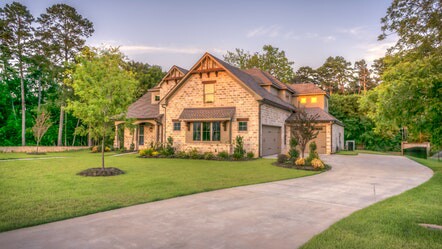
Roof condition is one of the most common reasons a home becomes difficult to place. A provider may want to know the roof age, material, visible condition, storm history, prior repairs, and whether there are active leaks or unrepaired damage. In some cases, a carrier may offer limited roof coverage, require photos, ask for repair documentation, or decline the home until repairs are completed.
Older homes can also raise questions about rebuilding cost, outdated systems, and safety. Electrical, plumbing, heating, and foundation details matter because they can affect the likelihood of future losses. An older home is not automatically unacceptable, but incomplete information can lead to delays, wrong quotes, or avoidable declines.
Texas High risk home insurance options may be easier to review when the owner can provide roof age, update history, claim details, photos, inspection notes, and any completed repair invoices. Better information helps the agency understand whether the issue is cosmetic, maintenance-related, claim-related, or a true eligibility problem.
Homeowners are often surprised when one company declines a property while another is willing to review it. The difference usually comes down to underwriting guidelines. One provider may avoid older roofs, while another may consider the same roof with a higher deductible, actual cash value settlement, repair documentation, or a different policy form.
Prior claims can also be interpreted differently. A single closed claim with completed repairs may be viewed differently than several recent losses, an open claim, or a repeated water issue. Occupancy matters as well. A home used as a primary residence is not the same exposure as a vacant property, a rental house, or a dwelling under renovation.
This is why the correct starting point matters. For some properties, a standard homeowners quote may still be possible. Others may need specialty property coverage, a landlord policy, a vacant home policy, a mobile home policy, commercial property coverage, or a state-backed option such as the Texas FAIR Plan when private market options are limited.

Hard-to-place does not always mean the same thing. The best option depends on ownership, occupancy, construction, condition, claims history, and how the property is being used today.
| Property Situation | Possible Coverage Path to Review |
|---|---|
| Owner-occupied home with age, roof, or claims concerns | Homeowners or specialty property review |
| Home rented to tenants | Landlord insurance or rental dwelling coverage |
| Home is vacant, inherited, waiting to sell, or between occupants | Vacant home coverage or specialty property review |
| Manufactured or mobile home | Mobile home insurance path |
| Five or more units, apartment building, or mixed-use property | Apartment building or commercial property review |
| Private market options are limited | Texas FAIR Plan discussion may be appropriate |

A home can move from standard to difficult very quickly when occupancy changes. A house that was owner-occupied yesterday may become vacant while it is being sold, renovated, inherited, or prepared for a tenant. Insurance companies often ask how long the home has been vacant, whether utilities are active, how the property is secured, and whether anyone checks on it regularly.
Rental homes need a different review. A house rented to tenants usually has different liability, loss-of-rent, and occupancy concerns than a home where the owner lives. If a property is rented, it should usually be reviewed under a landlord or rental dwelling path instead of being treated like a standard owner-occupied residence.
Investors may also have multiple properties with different risk profiles. One home may be occupied, another may be under renovation, and another may be vacant between tenants. Reviewing each building based on its current use can reduce confusion and help avoid applying for the wrong policy type.
When a property is harder to place, details matter. The goal is to help the reviewing market understand what the issue is, what has been repaired, and what risk remains.
Exterior photos, roof photos, interior condition photos, and images of completed repairs may help support the review.
Roof replacement dates, repair invoices, electrical updates, plumbing updates, HVAC details, and inspection notes can be useful.
Claim dates, causes of loss, repair status, and whether the condition was corrected can affect available options.
Owner-occupied, vacant, rental, seasonal, renovation, and business use may each require different handling.
Ownership structure can influence how the policy should be written and what liability questions should be reviewed.
Urgent lender requests, closing deadlines, renewals, and cancellation notices should be explained early.
Texas homes face different exposures depending on where they are located. North Texas properties may raise hail and roof questions. Gulf Coast properties may need closer review for wind, water, and coastal exposure. Rural properties may involve distance to fire protection, brush exposure, or access issues. Older urban homes may raise system-update and rebuilding-cost questions.
Deductibles are also important. A quote may look attractive until the owner understands how wind, hail, named storm, or percentage deductibles apply. Policy forms can differ as well. Some quotes may provide broader protection, while others may include limitations, exclusions, actual cash value settlement for certain property, or special roof provisions.
Insurance Plus helps owners review the practical details before choosing a policy. A lower premium is not automatically a better fit if the deductible, settlement method, exclusions, or coverage limitations leave the owner exposed in the very situations most likely to cause problems.
If a property has been declined, canceled, or flagged by inspection, try to gather as much accurate information as possible before requesting another quote. The review is usually easier when the agency understands the problem instead of guessing from incomplete notes.
High risk homeowners insurance options in Texas will vary by provider, but complete information gives the property a better chance of being reviewed accurately.
Request a homeowners quote online or call Insurance Plus. If your home requires a specialty policy because of occupancy, condition, or underwriting concerns, we'll guide you to the appropriate coverage.
Get a Quote Call 214-351-4097When a property is harder to insure, the policy details can matter as much as the premium. Some options may insure the building on a replacement cost basis when eligibility allows, while others may settle certain losses using actual cash value. That difference can be especially important for older roofs, older exterior materials, or buildings with age-related wear.
Replacement cost generally focuses on the cost to repair or replace covered property without first subtracting depreciation, subject to policy terms and limits. Actual cash value usually considers depreciation, which may produce a lower claim payment for older materials. Not every property qualifies for every settlement option, so this should be reviewed before a policy is selected.
Coverage limits should also be reviewed carefully. Market value, purchase price, loan amount, and rebuilding cost are not always the same number. Texas property owners should consider dwelling limits, liability limits, deductibles, detached structures, personal property, ordinance or law concerns, and any lender requirements before choosing a policy.

A hard-to-place property can create pressure to accept the first quote that appears. That may solve an immediate lender or renewal problem, but it can also create surprises later if important limitations are not understood before purchase.
A deductible can change the practical value of a policy. Review whether wind or hail has a separate deductible and whether that deductible is a flat amount or a percentage.
Some policies may treat roof losses differently from other building losses. Ask whether the roof is covered for replacement cost, actual cash value, or subject to special limitations.
Vacancy, neglect, wear and tear, ongoing leaks, and maintenance-related damage may be handled differently than sudden covered losses.
Common questions from Texas homeowners who are having trouble finding coverage.
A home may be considered high risk because of age, roof condition, prior claims, vacancy, tenant occupancy, unrepaired damage, outdated systems, location, or underwriting history.
Possibly. A decline from one company does not always mean coverage is unavailable. Another provider or policy type may be able to review the property.
Older homes may qualify depending on condition, roof age, updates, maintenance, claims history, occupancy, and provider underwriting guidelines.
Vacant homes may be insurable, but they often need special handling because vacancy changes the risk profile and may not fit a standard homeowners policy.
Yes. Rental homes may be considered higher risk because of tenant occupancy, property condition, prior claims, vacancy between tenants, or landlord liability concerns.
It may. Roof repairs, replacement documentation, photos, and inspection notes can sometimes improve the chance of review, depending on the provider's guidelines.
Same-day review may be available when property details are complete and the risk is eligible for carrier review.
Request a homeowners quote online or call Insurance Plus for help with high risk older homes, prior claims, roof concerns, and other situations that can make a Texas home more difficult to insure.
Use the roof insurance guide to distinguish age, physical condition, settlement terms, and deductible questions before requesting a coverage review.