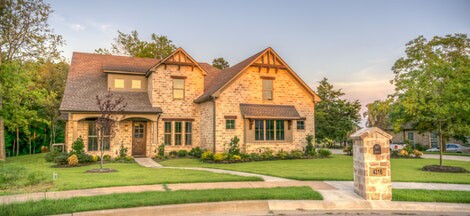
 Rental Property
Rental Dwelling Coverage
Coverage options for tenant-occupied rental homes, duplexes, fourplexes, and investment property risks.
Learn More
We help investors find coverage options for homes, duplexes, tenant-occupied buildings, liability concerns, loss of rent, and harder-to-place risks.

Request coverage for a rental home, duplex, triplex, or fourplex occupied by tenants.
Get Residential QuoteSubmit a multifamily property for broader underwriting and commercial property review.
Request Multifamily QuoteRequest coverage for larger apartment and multifamily properties through our dedicated quote form.
Get Apartment QuoteExplore insurance solutions commonly reviewed by owners of tenant-occupied homes and buildings.
Use this overview to choose between residential rental homes, multifamily buildings, vacant dwellings, and policy-form resources. The dedicated rental-property page provides a closer review of residential dwelling coverage.
Rental Property
Coverage options for tenant-occupied rental homes, duplexes, fourplexes, and investment property risks.
Learn More Larger Properties
Coverage for apartment buildings, multifamily property, and more complex occupancy exposures.
Learn More Rental Portfolios
Coverage resources for owners with several rental homes or small multifamily properties at separate addresses.
Review Portfolio Coverage Commercial
Some larger rental schedules or mixed-use risks may require commercial property review.
Learn More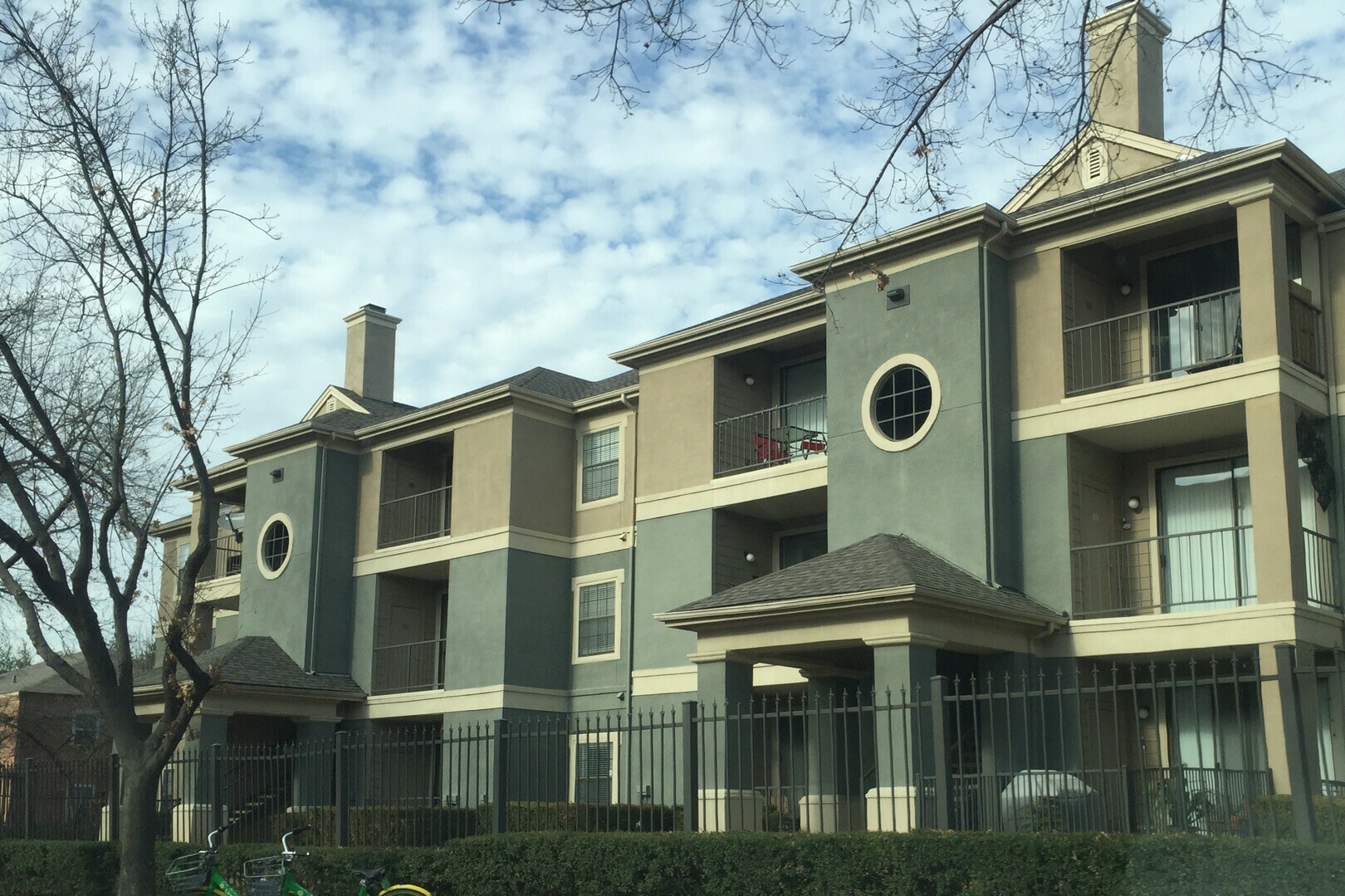 Condominium
A rental condo needs the right landlord coverage.
Learn More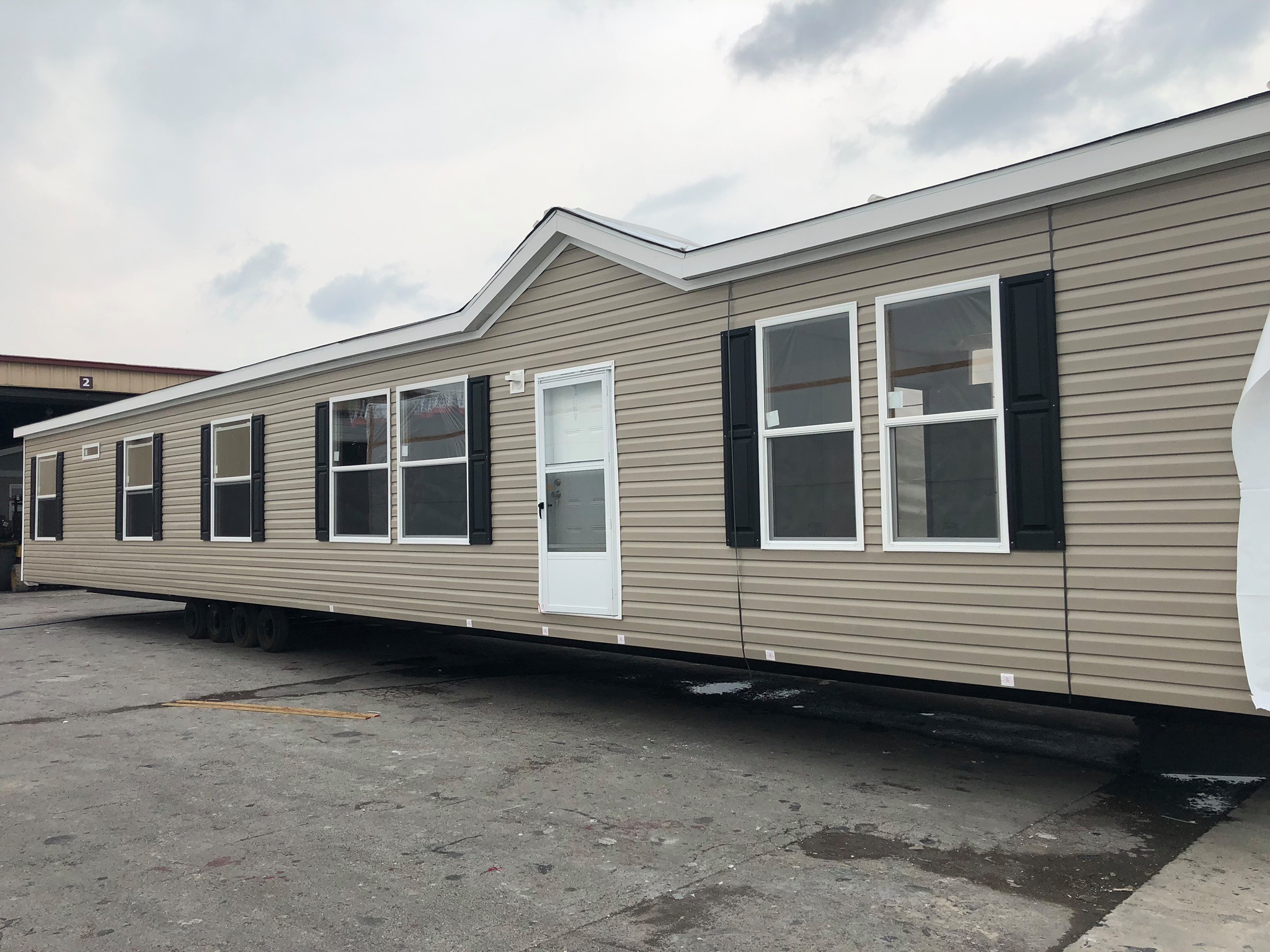 Specialty Property
Manufactured and mobile rental housing may require specialized property insurance review.
Learn MoreTenant-occupied property usually needs different coverage than an owner-occupied home. Rental occupancy, claims history, property age, roof condition, vacancy, and rental use can all affect quote eligibility.
Before comparing options, an owner should be ready to describe how the building is used today rather than how it was used when it was purchased. A former residence that is now leased to tenants can present different underwriting concerns from a home occupied by the owner. The same applies when a house is inherited, placed in an LLC, converted to long-term tenant use, or temporarily left empty while repairs are completed.
Carriers may ask whether the premises are occupied by one household or several unrelated occupants, whether any part of the building is used for business activity, and whether the owner or a professional manager handles day-to-day maintenance. Overall condition can affect eligibility, inspections, deductibles, and the type of dwelling form that are available.
Occupancy changes should also be reported promptly. If a tenant moves out, renovation begins, utilities are disconnected, or the building will remain empty for an extended period, the contract may need to be reviewed. A form written for a normally occupied dwelling can contain different provisions once vacancy or substantial renovation begins. Keeping the carrier informed helps the owner maintain coverage that reflects the building's actual use.
Some rental risks fall outside standard placement. Older homes, prior claims, vacancy exposure, deferred maintenance, renovation activity, or underwriting complications may still be reviewable.
A more difficult submission is often easier to evaluate when the owner provides clear documentation. Recent roof invoices, photographs, electrical or plumbing update records, foundation reports, repair receipts, and an explanation of prior losses can help an underwriter understand current condition instead of relying only on the age of the building. When previous damage has been repaired, documentation showing what was replaced and when can be especially useful.
Vacant or partially renovated buildings usually require more detail. An underwriter may want to know whether utilities remain on, whether the premises are secured, how often someone checks the building, what work is underway, whether walls or roofing are open, and when normal occupancy is expected to resume. Cosmetic improvements can be viewed differently from structural alterations, electrical replacement, plumbing work, or major roof repairs.
Older construction does not automatically make a building unacceptable. Condition, maintenance, completed updates, unrepaired damage, and a reasonable rebuilding estimate often matter more than age alone. Providing accurate facts early can make it easier to identify an appropriate market without repeatedly submitting incomplete information.
Strong quote options, property risk review, and practical guidance for standard and more challenging residential investment placements.
Coverage guidance built around tenant-occupied property rather than owner-occupied home assumptions.
Compare coverage for older homes, claims history, vacancy, and more complicated rental scenarios.
Practical familiarity with Texas property risk factors, underwriting trends, and regional exposure differences.
Help organizing your property details and comparing available policy terms before you buy.
Pricing and eligibility for tenant-occupied buildings can depend on multiple underwriting details. The more accurate the property information, the smoother Texas landlord insurance quote review tends to be.
Some providers may also evaluate plumbing, electrical updates, foundation concerns, detached structures, and whether the property is undergoing renovation.
Useful quote information often includes square footage, construction type, number of stories, foundation type, roof material, approximate roof age, heating and cooling systems, water-heater age, and the dates of major updates. Owners should also identify detached garages, storage buildings, fences, pools, trampolines, or other features that could affect underwriting.
Prior losses deserve the same level of accuracy. A water loss, fire, hail claim, liability allegation, theft loss, or roof claim can lead to follow-up questions about repairs and present condition. An old claim may still matter if the underlying cause was never corrected. Conversely, complete repair documentation can help distinguish a past event from an ongoing maintenance problem.
Ownership details also help determine the appropriate coverage category. An individual owner, partnership, trust, or LLC should be identified correctly, and mortgagees or managers may need appropriate status depending on their role.
Choosing the correct coverage path matters. A property you personally occupy usually belongs in homeowners coverage, while tenant-occupied real estate generally belongs under landlord or rental dwelling coverage.
Larger apartment risks, mixed-use property, or more complex ownership structures may require commercial property placement instead.
The current use of the building is usually more important than the way the property was originally purchased. A former residence may need a different form once it becomes tenant occupied. Our guide to turning a home into a rental explains that transition. A small residential building can require a different market if the occupancy, unit count, or business use changes materially.
Ownership structure can also influence how the account is submitted. An individual, partnership, trust, or LLC should be identified accurately, and mortgagees, managers, or other interested parties may need to be listed according to their role. Correct ownership information helps reduce last-minute policy corrections and keeps the named insured, mailing address, and billing details consistent.
Properties with several units, common areas, mixed residential and commercial use, or more complex management arrangements may be better suited to apartment or commercial underwriting. That review can involve additional building, liability, valuation, management, and income information beyond what is normally requested for a single tenant-occupied home.
A statewide program still needs to match the individual building, occupancy, and ownership structure. Property insurance can vary substantially by policy form, roof condition, tenant use, number of units, vacancy status, rebuilding cost, prior losses, and selected endorsements.
Rental dwelling forms are not identical. A DP1-style policy may provide narrower named-peril protection, while broader forms such as DP3 may offer more extensive property protection when the building qualifies. For a side-by-side explanation, see our DP1 vs DP2 vs DP3 guide. The actual carrier form, exclusions, deductibles, and settlement provisions should always be reviewed rather than relying only on the form label.
A named-peril form generally responds only when the cause of loss is one of the causes specifically listed in the contract. A broader form may protect the dwelling on a more expansive basis, subject to exclusions and limitations. That distinction can matter after losses involving accidental damage, water, falling objects, vandalism, or other events that may be treated differently from fire, lightning, or wind.
Settlement terms deserve separate attention. Replacement-cost treatment is designed to help pay the cost of repairing or replacing covered building damage without a deduction for depreciation when the contract requirements are satisfied. Actual-cash-value treatment generally reflects depreciation based on age and condition. Some forms may apply one settlement method to the dwelling and another to the roof, detached structures, or certain building components.
Ordinance-or-law provisions are also worth reviewing. Following a major loss, local building codes can require upgrades that were not part of the structure before the event. Depending on the form and selected endorsements, some of those additional expenses may be limited or excluded.
Roof settlement can be especially important in Texas. Some policies may settle eligible building damage at replacement cost while applying actual cash value or special schedules to roofs or other components. Owners should compare valuation, wind and hail deductibles, cosmetic-damage provisions, ordinance or law coverage, and any inspection requirements.
Percentage deductibles deserve careful review because they can create a much larger out-of-pocket amount than a flat deductible. A one- or two-percent wind or hail deductible is commonly calculated from the insured building limit rather than from the amount of the claim. Owners should understand which deductible applies before a storm occurs and consider whether the resulting amount is financially manageable.
Roof age and material can affect both eligibility and settlement. Composition shingles, metal roofing, tile, and other materials may be treated differently by different carriers. Some contracts include cosmetic-damage restrictions, roof-payment schedules, matching limitations, or inspection requirements. Others may require repairs before binding when curling shingles, missing tabs, prior patches, soft decking, or unrepaired storm damage are visible.
Rebuilding estimates should also be considered separately from market value. The amount a building could sell for is not necessarily the amount required to reconstruct it after a major loss. Labor, debris removal, materials, contractor availability, architectural features, and code requirements can all influence reconstruction cost. A realistic building limit can reduce the chance that the selected amount proves inadequate after a serious loss.
A single-family rental, duplex, triplex, or fourplex may qualify for a residential landlord or dwelling program. Properties with five or more units often require apartment or commercial property underwriting with additional rent-roll, liability, management, valuation, and building information.
Unit count is only part of the classification. Underwriters may also consider whether the units are contained in one building or several buildings, whether tenants share interior hallways or stairwells, and whether the premises include common laundry rooms, gates, pools, playgrounds, elevators, or other shared-area exposures.
Management practices can matter more as the number of units increases. Carriers may ask who handles maintenance, how often the premises are inspected, whether there are written leases, how tenant complaints are documented, and who responds to emergency repairs. Larger schedules may also require rent-roll information or a statement of annual income.
Vacancy, renovation, short-term occupancy changes, inherited property, LLC ownership, and a recent conversion from owner occupancy should be disclosed before placement. These details can affect eligibility, available markets, and the correct policy structure even when two properties have similar values.
Vacancy can arise between tenants, during repairs, while a newly purchased building is being prepared for occupancy, or when an inherited home is waiting for renovation or sale. For the common gap between leases, see our insurance between tenants guide. Some contracts change or restrict certain protections after a stated vacancy period, so the expected length of vacancy and the condition of the premises should be described accurately.
Renovation exposure should be described by scope. Painting, flooring, and cabinet replacement generally present a different underwriting concern from structural alterations, electrical rewiring, plumbing replacement, major roof work, or construction that leaves part of the building open to weather.
Let your insurer know whether utilities remain connected, whether the building is secured, whether contractors are licensed and insured, how often someone checks the premises, and when normal occupancy is expected to resume. Those details can materially affect how a vacant or partially renovated building is assessed.
Investment properties can face very different weather exposures across Texas, but roof age, prior storm losses, wind and hail deductibles, drainage, freeze losses, and deferred maintenance commonly influence underwriting. Coastal, North Texas, Central Texas, West Texas, and Gulf Coast properties may be reviewed differently even when the occupancy is similar.
Loss-of-rents coverage can help replace eligible rental income when a covered loss makes a property temporarily uninhabitable, subject to the policy terms and selected limit. It does not cover ordinary tenant nonpayment or a normal vacancy between leases. A well-structured Texas rental property insurance quote should distinguish covered income interruption from routine operating risk.
Explore major Texas metro areas where underwriting conditions, weather exposure, occupancy, and building characteristics can vary.
Quote for Dallas homes, duplexes, and investment property owners.
View DallasProperty quote review for Fort Worth landlords and local investors.
View Fort WorthCoverage review for Houston residential investors facing broader weather and occupancy considerations.
View HoustonCoverage options for Austin landlords and residential investors.
View AustinLandlord quote options for San Antonio investment-property ownership exposure.
View San AntonioInsurance Plus serves rental property owners throughout Texas from our Dallas office. Explore coverage information for additional Texas communities.
A landlord policy may help cover the rental dwelling, certain detached structures, liability, and loss of rental income after a covered loss depending on policy terms.
Usually no. Homeowners insurance is generally intended for owner-occupied property, while tenant-occupied homes typically require landlord coverage.
Typically no. Tenant personal property is usually the tenant’s responsibility and may require renters insurance.
Yes. Eligibility depends on property details, but prior claims, vacancy, or older housing stock do not automatically eliminate all options.
Yes. Smaller apartment properties and larger apartment risks can be reviewed for an appropriate policy.
Whether you own one rental home, a duplex, a fourplex, a small apartment property, or a harder-to-place rental risk, we can help review available options.