Rental Structure Coverage
Building coverage may help repair or rebuild the insured rental structure after a loss, subject to the policy form, deductible, limits, exclusions, and carrier terms.

The right Texas rental property insurance policy can help protect Texas rental houses, duplexes, triplexes, fourplexes, apartment buildings, condos, and other investment properties against covered property and liability risks. Available options depend on the property type, occupancy, condition, location, and carrier underwriting guidelines.
Insurance Plus helps property owners compare policy options for building coverage, landlord liability, loss of rents, certain landlord-owned contents, and related property exposures. Some owners need basic protection, while others need broader policy forms or more specialized underwriting review.
Serving Texas since 1997 with quote support for rental dwellings, multifamily properties, and investment property risks.
Texas insurance premiums can vary widely from one property to another. A newer dwelling with a strong roof, clean claim history, and stable tenant occupancy may be viewed very differently than an older property, vacant building, larger multifamily risk, or property with prior losses. Owners dealing specifically with a gap between leases can also review our insurance between tenants guide.
This page focuses on coverage details for tenant-occupied residential dwellings: building protection, landlord liability, loss of rent, and policy terms. Use the landlord overview when you need to select a different property category.
The right answer depends on the number of units, construction, location, loss history, investor requirements, and how the building is actually used. A policy that fits one property may not be the right fit for another.
Start online or call the agency. A brief conversation can help determine the most appropriate quote path for the property.
Get a Quote Call 214-351-4097Your insurance policy should reflect the way the property is used. A home occupied by tenants creates different insurance concerns than an owner-occupied residence, even when the building looks similar from the outside.
Building coverage may help repair or rebuild the insured rental structure after a loss, subject to the policy form, deductible, limits, exclusions, and carrier terms.
Landlords can face liability claims when a tenant, guest, vendor, or visitor alleges injury or property damage connected to the rental premises.
Some policies may include fair rental value or loss of rents protection when a loss makes the property uninhabitable during repairs.
Certain landlord-owned appliances, maintenance equipment, or property used to service the rental may be eligible for coverage depending on policy terms.
Detached garages, sheds, fences, and similar structures may need to be reviewed separately so the policy matches the actual property exposure.
Coverage can vary depending on whether the property is written on a more basic form or a broader rental dwelling policy form.
Insurance is commonly reviewed by real estate investors, families renting out a former residence, owners of small multifamily properties, and landlords with several properties across Texas.
When a home becomes tenant-occupied, insurance needs often change. The owner is no longer insuring only a personal residence. The property now has tenant occupancy, rental income expectations, different liability concerns, and a different underwriting profile.
Some residential investment properties remain straightforward, while others require more specialized review depending on size, use, vacancy, condition, prior losses, or ownership structure. The goal is to match the policy to the actual exposure rather than place every rental into the same coverage approach.
Deecisions are often easiest when they are made before ownership circumstances change. A home that has been occupied by the owner for many years may eventually become an investment, while another dwelling may be purchased specifically to generate income. Reviewing available options before those changes occur allows time to compare policy features, understand eligibility requirements, and make informed decisions without unnecessary pressure.
It is also helpful to think beyond the current lease. Buildings may undergo renovations, remain temporarily vacant, receive major updates, or eventually return to owner occupancy. Each change can influence underwriting, available policy forms, and the type of protection that best matches the way the dwelling is being used.
Looking at the complete picture rather than focusing only on premium often produces better long-term results. Construction details, maintenance history, occupancy, location, and future ownership plans all contribute to selecting protection that continues to fit as circumstances evolve over time.
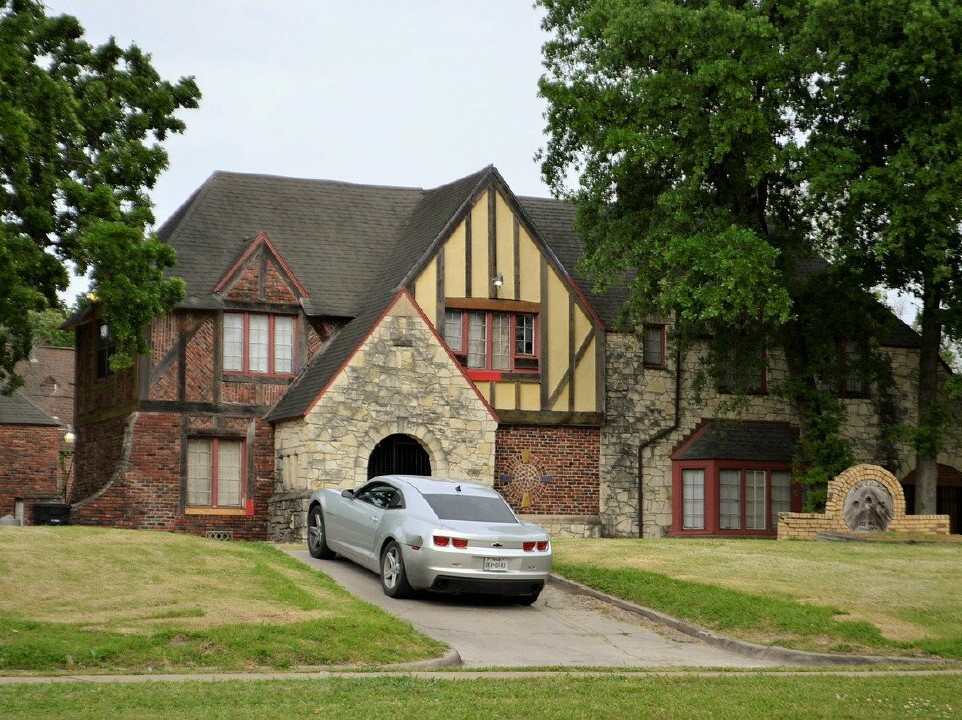
The type of property you own matters. A single rental house, duplex, apartment building, condo unit, and vacant building may all require different underwriting treatment. Accurate property details help match the property with appropriate carrier options.
Single-family rentals are often reviewed for dwelling coverage, liability, roof condition, occupancy, claims history, and optional loss of rents coverage.
Smaller multifamily dwellings may qualify for rental dwelling or landlord policy options depending on units, occupancy, construction, and carrier guidelines.
Larger multifamily properties may need apartment building insurance or commercial property coverage rather than a standard dwelling policy.
Rental condo coverage may need to coordinate with the association master policy, interior improvements, liability, and possible income interruption coverage.
Vacant properties can be treated differently because unoccupied buildings can face higher exposure to vandalism, water damage, theft, and delayed discovery of losses.
Some owners may be able to review multiple properties together depending on ownership structure, carrier appetite, property location, and underwriting rules. Provide a schedule showing each address, ownership entity, occupancy, unit count, building value, roof details and claims. Common ownership does not guarantee that every location can share one policy; limits, deductibles and available programs should be reviewed for each property. Use the rental property quote form and explain the portfolio in your message. Apartment properties can use the apartment quote form.

Some owners need more basic protection, while others want broader forms and more customized coverage. The right coverage may depend on the number of units, construction, location, loss history, and investor requirements.
The DP1 policy is considered the most basic dwelling policy form. A DP2 extended policy provides better protection and additional covered causes of loss. A DP3 broad coverage policy is used for best protection. For a more careful comparison of the traditional form concepts, see our DP1 vs DP2 vs DP3 guide. Eligibility, requirements, and available endorsements vary by carrier.
Insurance rates can vary significantly from one property to another. The age of the building, construction type, maintenance, prior losses, and occupancy all influence how insurers evaluate a risk. Providing accurate information during the quote process usually leads to better comparisons and fewer surprises later.
Older buildings may need additional underwriting review depending on updates, maintenance history, and overall condition. Heating, electrical, plumbing, and roof updates can all matter to insurers.
Roof condition is frequently one of the most important factors affecting insurance rates. Age, materials, and prior damage can all influence eligibility and pricing.
Tenant-occupied homes, seasonal vacancies, renovation projects, and short periods without occupants may all be evaluated differently by insurance companies.
Previous losses involving water damage, fire, weather claims, or liability incidents may affect available markets and influence available options.
Location matters because insurers review factors such as local weather exposures, fire protection, crime statistics, and rebuilding costs when evaluating properties.
Smoke detectors, security systems, protective devices, and certain property improvements can sometimes improve underwriting results for qualifying properties.
Construction type matters as well. Frame construction, masonry, roof type, and property location all affect underwriting and pricing. Reviewing these factors early can help identify appropriate markets and set realistic coverage expectations.
It also helps to ask about available discounts. Protective devices, newer construction features, and property improvements can sometimes improve the final rate. The best results often come from matching accurate property information with an appropriate insurance market rather than simply reducing coverage.
Reviewing coverage before renewal can help identify changes in pricing, underwriting, and property needs before problems arise. Markets, underwriting standards, and property conditions all change over time. A policy that was competitive two years ago may no longer be the best fit today. Periodic review is one of the simplest ways to protect both budget and coverage quality.
Having basic property information available can make the quote process easier and help identify which options may be available for a particular rental risk.
Start online or speak with our office about rental dwellings, multifamily properties, buildings, and selected investment property risks.
Get a Quote Call 214-351-4097Texas rental properties face many of the same issues found across the country. Wind, hail, roof age, heat, vacancy, water damage, and regional rebuilding costs can all influence how a carrier rates a property.
Texas is a large state, and underwriting can look different from one area to another. A rental home in North Texas may raise different roof and hail questions than a property near the Gulf Coast, a West Texas property, or an older building in a dense urban area.

A good policy should do more than satisfy a lender requirement or create a declarations page for closing. It should reflect the actual way the property is used and the financial role it plays in the owner's investment plan.
For some owners, the main concern is protecting a steady rental income stream. For others, the priority may be restoring the building after storm damage, carrying adequate liability protection, or maintaining flexibility across multiple rental locations.
The policy should also make sense for the condition of the property. Newer homes may qualify for one group of markets, while older dwellings or properties with prior claims may require a different approach. Rather than treating every property the same, the goal is to compare coverage options that fit the property's characteristics and intended use.
Owners should also think about practical claim scenarios. If a tenant fire damages the kitchen, if a hailstorm affects the roof, or if a water leak makes the building uninhabitable, how would the policy respond? Looking at the policy through real-world examples helps determine whether the quote is merely cheap or genuinely useful.
These are common questions Texas property owners ask when reviewing coverage.
This type of policy covers the main dwelling, certain landlord-owned contents, liability, and loss of rents after a covered loss. Coverage depends on the carrier, policy form, endorsements, and property eligibility.
In many cases, yes. Smaller dwellings and some multifamily dwellings may be eligible for DP1, DP2, or DP3 forms depending on the property, occupancy, condition, and underwriting guidelines.
Sometimes. Depending on the carrier and ownership structure, multiple homes with a common owner may be scheduled together or reviewed as part of a broader portfolio.
Some policies may include fair rental value or loss of rents coverage when a covered loss makes the property uninhabitable. Availability and limits vary by policy.
Yes. Larger multifamily properties may require apartment building insurance or commercial property coverage rather than a standard dwelling policy.
Often, yes. Eligibility depends on property condition, updates, roof age, prior losses, occupancy, and carrier guidelines. Some properties may still have available options even if they are not perfect.
If you are comparing coverage options, start with the property details you already have. The agency can help identify what additional information may be needed for carrier review.
Request a quote online or call 214-351-4097 for help.
Get a Quote Apartment Building Quote Call 214-351-4097Review local landlord coverage information for rental properties in The Woodlands, Pearland, Flower Mound, Cypress. Unit count, occupancy, condition, and the selected policy determine which coverage options may be available.
Different property risks may require different coverage options. These related resources can help owners choose the right starting point.
Coverage review for larger multifamily properties, apartment buildings, and commercial residential risks.
Policy review for rented condo units where the association master policy and unit-owner coverage both matter.
Coverage for properties between tenants, under renovation, for sale or temporarily unoccupied.
Our Dallas office serves property owners throughout Texas. Review service-area information for Abilene, Brownsville, College Station, Longview, McAllen, San Angelo, Sherman, Temple, Tyler, Victoria.