 Marketplace
Multiple Syndicates
Different Lloyd's syndicates develop their own underwriting appetite, expertise, pricing, limits, and reinsurance arrangements. A risk accepted by one syndicate may not fit another.

Some Texas homes, commercial buildings, businesses, and liability risks do not fit standard insurance-company guidelines. Insurance Plus helps clients organize the underwriting information, review standard-market options, and pursue specialty insurance solutions when a risk requires broader expertise or a different insurance marketplace.

Payment options depend on the insurer, program, broker, premium size, taxes, fees, and financing eligibility.
Premium financing, installments, EFT, ACH, credit-card payment, or lender billing may be available for some placements.
Many ordinary homes and businesses can be insured through standard admitted companies. Others fall outside standard underwriting because of high values, unusual construction, coastal exposure, vacancy, prior losses, mixed occupancy, specialized operations, or liability characteristics. In those situations, a specialty market may be able to consider the risk on terms that are tailored more closely to the actual exposure.
Lloyd's is one possible source of specialty capacity, but it is not the only one. Insurance Plus may work through licensed intermediaries that access Lloyd's syndicates, domestic surplus-lines insurers, specialty programs, MGAs, or other markets. The goal is not to force every difficult risk into one marketplace. The goal is to identify the most realistic available route.
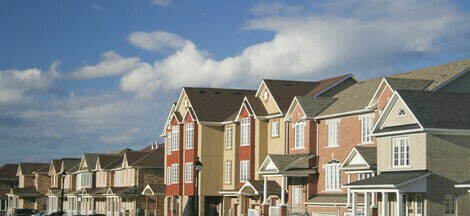
A declination does not automatically mean a property or business is uninsurable. It may mean the risk needs a different insurer, a more complete submission, revised limits, corrective work, or a specialty underwriting approach.
Request a Risk ReviewTexas agency support · Specialty placement assistance
Lloyd's is a global insurance marketplace rather than a single insurance company. Syndicates of underwriting members accept risks through managing agents, brokers, coverholders, and other authorized distribution arrangements.
MarketplaceDifferent Lloyd's syndicates develop their own underwriting appetite, expertise, pricing, limits, and reinsurance arrangements. A risk accepted by one syndicate may not fit another.
 Distribution
Retail clients usually do not negotiate directly with Lloyd's underwriters. Business commonly reaches the market through licensed specialty intermediaries or delegated-authority programs.
 Expertise
The marketplace is known for underwriting risks that require specialized knowledge, custom terms, larger capacity, or a structure that differs from a routine package policy.
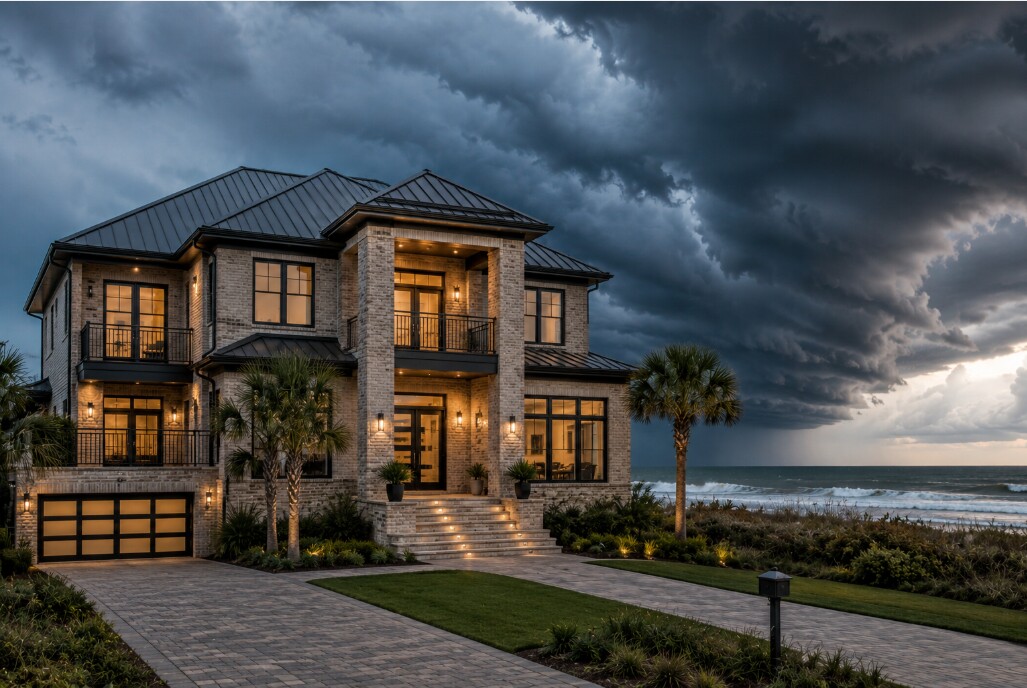
A difficult home risk is not always a bad risk. A luxury residence may simply exceed standard value limits. A historic home may require specialized reconstruction. A coastal home may need wind coverage separated from the main policy. A vacant or renovating property may have a temporary occupancy issue. A landlord may own multiple locations or have short-term rental exposure.
Specialty residential programs may consider high-value homes, older construction, prior claims, unusual roofs, vacant houses, homes under renovation, coastal properties, secondary residences, short-term rentals, and investment properties. Eligibility depends on condition, occupancy, inspections, loss history, protection features, and program rules.
Specialty commercial insurance can be appropriate when a building, operation, or contract does not fit a standard businessowners policy. The issue may involve property values, construction, occupancy, catastrophe exposure, hazardous operations, loss history, revenue concentration, contractual requirements, or the need for higher limits.
Apartment complexes, hospitality risks, restaurants, manufacturers, warehouses, mixed-use buildings, contractors, entertainment risks, professional firms, technology companies, transportation operations, and unusual liability exposures may all require specialized underwriting.

The label matters less than the actual policy terms. Still, understanding the broad differences can help a buyer ask better questions.
| Issue | Standard Admitted Market | Specialty or Surplus Lines Market |
|---|---|---|
| Typical risk | Fits established underwriting guidelines and standard forms. | May involve unusual values, occupancy, construction, losses, operations, or catastrophe exposure. |
| Policy forms | Often standardized and filed with state regulators. | May offer more flexible or manuscript terms, but forms and protections can differ materially. |
| Pricing | Rates are generally filed or regulated under admitted-market rules. | Pricing may respond more directly to the individual risk and available capacity. |
| Taxes and fees | Usually included within standard billing structures. | Surplus-lines taxes, stamping fees, broker fees, inspection costs, or policy fees may apply. |
| Guaranty association | Qualifying admitted insurers may participate in the applicable guaranty association. | Surplus-lines insurers generally are not protected by the Texas Property and Casualty Insurance Guaranty Association. |
| Placement route | Retail agent may place directly with an appointed insurer. | Placement may require a licensed surplus-lines broker, MGA, coverholder, program administrator, or other specialty intermediary. |

Specialty underwriters often make decisions from the quality of the submission. A vague application can create delays, conservative assumptions, restrictive terms, or a declination. A clear submission explains what the risk is, why standard coverage is unavailable, what improvements have been completed, how losses occurred, and what controls are now in place.
Property submissions may need replacement-cost estimates, photographs, roof information, inspections, occupancy details, leases, valuations, protection systems, distance to fire protection, catastrophe details, and loss runs. Commercial submissions may also require financial statements, payroll or sales, contracts, safety procedures, resumes, schedules, and detailed descriptions of operations.
Our role is to help Texas clients present the risk accurately, identify the appropriate route, and understand the available terms before purchase.
We identify the property, operations, values, liability concerns, occupancy, loss history, timing, lender or contract requirements, and available supporting documents.
We determine whether the risk may fit an admitted insurer, specialty program, MGA, domestic surplus-lines company, Lloyd's-backed facility, or wholesale placement.
Premium matters, but so do forms, exclusions, sublimits, deductibles, valuation, coinsurance, wind terms, liability wording, taxes, fees, and cancellation provisions.
Common questions from Texas property owners and businesses.
Lloyd's is an insurance marketplace where syndicates of underwriters accept insurance and reinsurance risks. It is not a single insurance company.
Insurance Plus is a Texas retail insurance agency. When appropriate, we may work through licensed specialty intermediaries, wholesalers, MGAs, coverholders, or program administrators that can access Lloyd's or other specialty markets.
High-value homes, unusual construction, coastal property, vacant buildings, prior losses, mixed-use buildings, apartments, hospitality risks, manufacturers, contractors, and other difficult or specialized exposures may require specialty underwriting.
Many U.S. risks written through Lloyd's are placed on a surplus-lines basis, but the exact structure depends on the risk, program, intermediary, and applicable state rules.
Certain Lloyd's-backed programs may consider high-value, coastal, unusual, vacant, landlord, or otherwise difficult residential property risks, subject to underwriting and program eligibility.
Yes. Lloyd's syndicates and Lloyd's-backed programs participate in many commercial property, liability, professional, marine, cyber, and other specialty classes, subject to appetite and underwriting.
Underwriters may request property details, construction, occupancy, values, protection features, prior losses, photos, inspections, financial information, contracts, operations, safety controls, and requested limits.
Surplus-lines policies generally are not protected by the Texas Property and Casualty Insurance Guaranty Association. Policy forms, protections, taxes, and fees can differ from admitted insurance.
Timing depends on the complexity of the risk and the quality of the submission. Complete applications, loss runs, photos, valuations, and clear exposure details can help reduce delays.
Submit the appropriate property or commercial quote request to Insurance Plus or call the agency. We can review the exposure and determine whether standard, specialty, surplus-lines, or Lloyd's-backed options may be appropriate.
Tell Insurance Plus about the property, business, liability exposure, prior declinations, requested limits, losses, and timing. We can help determine which market route is most realistic.