
Homeowners Policy
Many Texas homeowners policies include wind and hail, but separate deductibles, roof schedules, and endorsements can materially affect claim results.
We help Texas property owners determine whether wind and hail are included in an existing policy, excluded, or better handled through separate private-market or TWIA coverage. Review the roof, location, deductibles, certificates, property use, and flood gap before choosing a policy.
Major credit cards and EFT/ACH may be accepted depending on provider eligibility, down payment rules, billing plan, and policy type.
Mortgage escrow, installment plans, automatic payments, and billing rules vary by provider.
Wind coverage is not identical across Texas. Many inland homeowners policies include wind and hail, although deductibles, roof provisions, exclusions, and settlement terms can vary. Along the Gulf Coast, a standard homeowners policy may exclude wind and hail entirely, requiring a separate private wind policy or coverage through the Texas Windstorm Insurance Association when eligibility requirements are met.
Insurance Plus helps determine which pieces are needed for the property rather than assuming that one policy covers every storm-related loss. Wind, hail, flood, storm surge, water backup, and ordinary wear are different causes of loss and may be handled by different policies or endorsements.
Share the property address, current policy, roof information, occupancy, and desired effective date. We can help identify the appropriate quote route.
Request a QuoteTexas agency support • Coastal and inland property review
The correct route depends on location, policy form, provider eligibility, roof condition, construction, and whether the property is owner occupied, rented, seasonal, vacant, or commercial.
Many Texas homeowners policies include wind and hail, but separate deductibles, roof schedules, and endorsements can materially affect claim results.
Some homes can be insured through a standalone private wind and hail policy when the primary homeowners policy excludes those perils.
TWIA provides wind and hail coverage as an insurer of last resort for eligible properties in designated Texas coastal areas.
Flood and storm surge are not covered by homeowners insurance and generally require a separate flood policy.
Roof losses may be subject to replacement cost, actual cash value, cosmetic-damage limitations, payment schedules, or other policy terms.
Wind, hail, hurricane, and named-storm deductibles may be flat amounts or percentages of the insured dwelling or building limit.
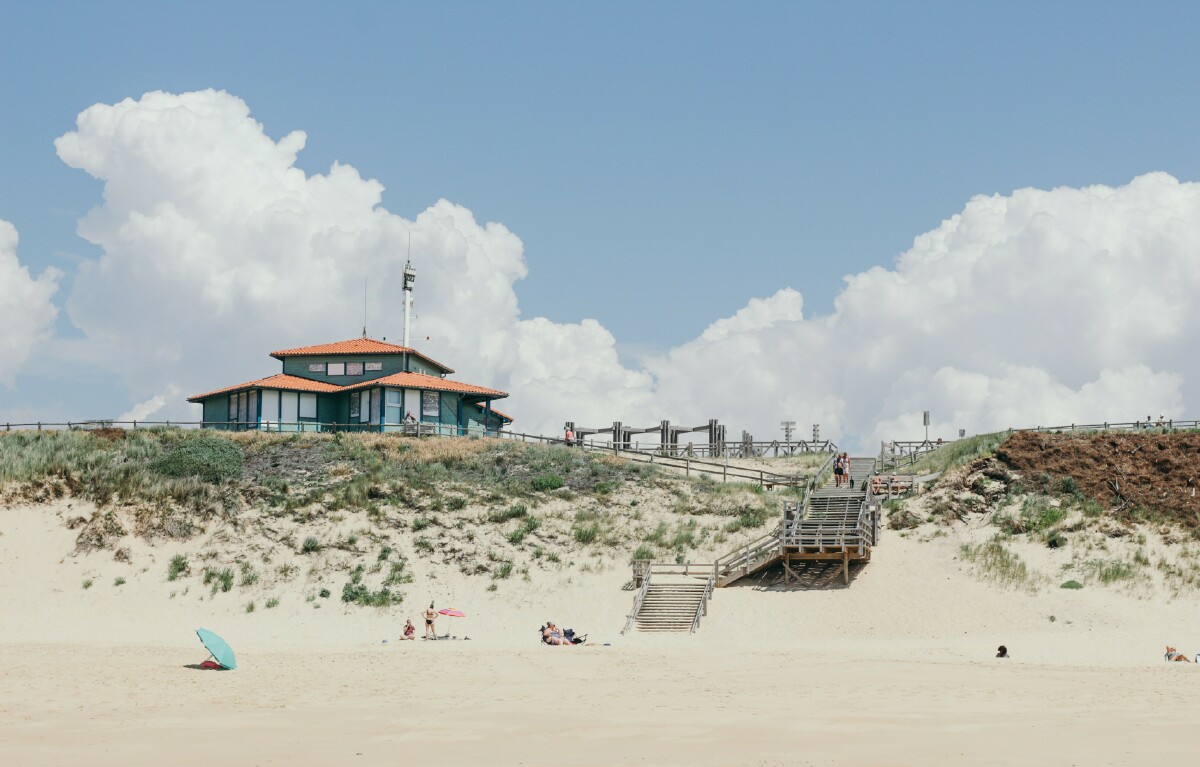
Coastal homeowners are the group most likely to encounter wind and hail exclusions, but the issue is not limited to one city or county. Properties in designated catastrophe areas, homes near open water, older coastal structures, and buildings with prior storm damage may require separate placement. Some inland homeowners also seek a separate solution after a carrier excludes wind or hail, imposes restrictive roof terms, or declines the risk.
The first step is to read the declarations and endorsements of the primary property policy. The words “all risk” or “special form” do not guarantee that every wind, hail, hurricane, or roof loss is handled the same way.
If you need windstorm insurance but do not have a WPI-8 certificate, you may still have coverage options. A WPI-8 windstorm certificate can be important for certain TWIA eligibility situations, but it is not required by every windstorm insurance market. Insurance Plus can review alternative markets that may provide wind and hail coverage without requiring a WPI-8 certificate.
Do not assume you must obtain a windstorm certificate before requesting coverage. If your goal is to insure the property rather than obtain a certificate, let us review available windstorm insurance options first. TWIA is a residual insurer of last resort for eligible coastal properties, but TWIA requirements do not define the requirements of every windstorm market we can review.
Insurance Plus provides insurance quote and placement assistance; we do not issue WPI-8 certificates or provide windstorm inspection or certification services.
A percentage deductible is usually calculated from the insured dwelling or building limit—not from the amount of the loss.
On a home insured for $400,000, a one percent deductible equals $4,000.
On a home insured for $400,000, a two percent deductible equals $8,000.
On a home insured for $400,000, a five percent deductible equals $20,000.

The roof is often the most important underwriting feature in a windstorm quote. Carriers may ask about installation date, material, slope, shape, permits, repairs, prior losses, visible deterioration, and whether the roof has been replaced after a storm. Older roofs may face limited eligibility, higher deductibles, actual-cash-value settlement, payment schedules, or cosmetic-damage exclusions.
A low premium can be misleading when the roof terms transfer a large portion of the loss back to the homeowner. Review the deductible and settlement basis together.
Hurricanes and severe storms can create several causes of loss at the same time. Wind may damage the roof or exterior, while storm surge or rising water enters the building. Windstorm policies generally do not cover flood, storm surge, or surface water. Flood insurance does not replace wind coverage either. Review our Texas flood insurance page for building and contents coverage questions, waiting periods and lender requirements.
For coastal properties, the strongest program often coordinates homeowners or dwelling coverage, wind and hail coverage, and flood coverage rather than relying on a single policy to address every storm-related loss.
Owner occupancy, tenant use, vacancy, construction, and business activity determine which policy form should be reviewed.
Coordinate the primary homeowners policy with any separate wind and flood policies.
Tenant-occupied and short-term rental homes may require landlord, dwelling, or specialty rental forms.
Review the association master policy, wind deductible allocation, loss assessment, interiors, and belongings.
Vacancy and construction can materially change eligibility and covered causes of loss.
Manufactured homes may require specialized wind underwriting based on age, tie-downs, location, and condition.
Commercial buildings, apartments, and business interruption exposures need commercial windstorm review.
Common questions from TX property owners.
Many Texas homeowners policies cover wind and hail, but some coastal policies exclude those perils or require separate windstorm coverage. The policy declarations, endorsements, exclusions, and deductibles should be reviewed.
Windstorm coverage is designed to respond to covered wind and hail damage. It may be included in a homeowners policy, purchased through a private wind carrier, or obtained through TWIA for eligible coastal properties.
The Texas Windstorm Insurance Association is the residual insurer of last resort for eligible properties in designated Texas coastal areas when qualifying wind and hail coverage is unavailable from an authorized insurer.
No. Windstorm coverage does not replace flood insurance. Flood, storm surge, and surface-water damage generally require separate flood coverage.
Yes. A WPI-8 certificate may matter for certain TWIA eligibility situations, but not every windstorm insurance market requires one. Insurance Plus can review alternative windstorm markets for properties that need wind and hail coverage without a WPI-8 certificate. We provide insurance quote and placement assistance, not WPI-8 inspection or certification services.
A percentage deductible is calculated from the insured dwelling or building limit, not from the amount of the claim. A two percent deductible on a dwelling insured for $400,000 would equal $8,000.
Yes. Roof age, material, condition, prior repairs, storm damage, and settlement terms may affect eligibility, pricing, deductibles, and whether roof losses are settled at replacement cost or another basis.
Potentially, but rental, vacant, seasonal, and commercial properties may require different policy forms and underwriting than an owner-occupied home.
Tell Insurance Plus about the property, location, roof, current policy, occupancy, wind exclusions, certificates, desired effective date, and lender needs.