Texas Vacant Home Insurance
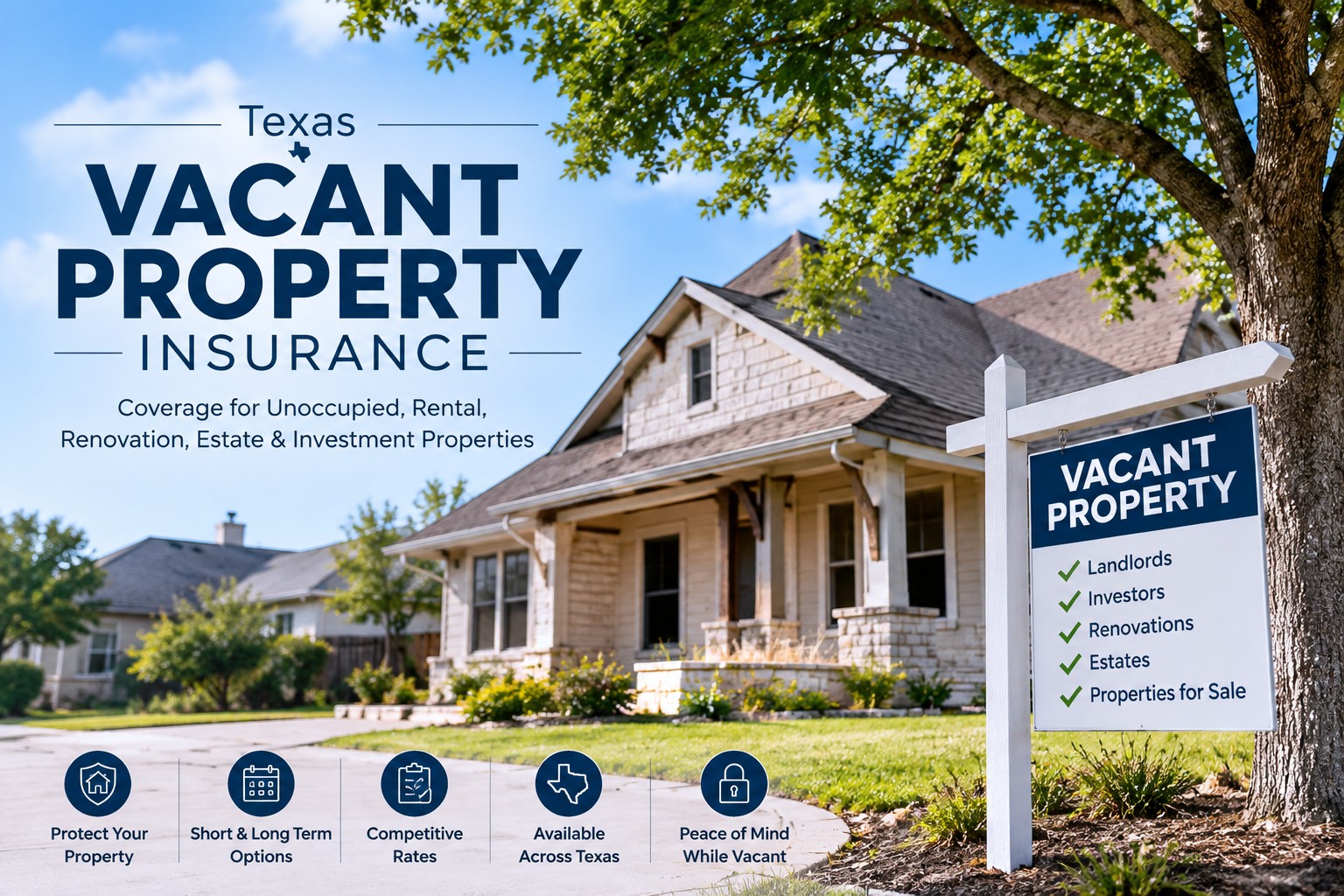
Protect your unoccupied or between-tenant property with insurance designed for higher-risk, unoccupied dwellings. Vacant home insurance can help guard against fire, wind, hail, vandalism, water damage, theft, glass breakage, and liability while a property is temporarily empty.
What is Vacant Home Insurance?
This insurance policy is a specialized form of property protection for houses that are temporarily unoccupied. When a home sits empty for an extended period of time, the risk of damage increases dramatically. Most homeowners are surprised to learn that a standard home insurance policy may reduce or remove coverage after 30, 60, or 90 days of vacancy. Without the right policy in place, even a small fire, break-in, or water leak can lead to a denied claim and significant financial loss. This policy fills this gap and helps ensure the property remains protected while no one is living there.
Homes become vacant for many different reasons. Sometimes owners move into a new home before selling the old one. Rental properties often sit empty between tenants, especially when renovations or repairs are needed. Inherited properties may be vacant for months while families make decisions or wait for probate to finish. A home may also be considered vacant during major upgrades, when contractors are present and the property is unfurnished. Regardless of the reason, the absence of daily activity changes the risk profile of the home, making proper property insurance an important safeguard.
When Is a Home Considered Vacant?
Insurance companies often consider a home vacant when it is unoccupied and largely empty of personal property for a set period of time. Many policies use timeframes such as 30 to 60 days, but the exact definition depends on the insurance company and policy form.
Once a property meets the policy definition of vacant, standard homeowners insurance may reduce, limit, or remove coverage for certain losses. This is why owners should review coverage before the home sits empty too long.
Why Regular Insurance Won’t Cover Vacant Property
Standard home insurance policies are designed for occupied houses, where someone is present to notice issues quickly. Once a home becomes vacant, insurers consider it much more vulnerable. Small problems can escalate into major losses simply because no one is there to intervene. A minor leak can turn into widespread water damage. A broken window can invite unwanted entry. Even routine weather events can result in more severe and costly claims.
Many policies reduce protection after a set vacancy period. Some remove vandalism, water discharge, liability, or theft. Others may stop covering the property altogether. Because each insurance company has different rules, property owners can unintentionally find themselves without proper coverage. Vacant home insurance solves this issue by offering protection specifically intended for longer periods of no occupancy.
Who needs it?
Property Protection
- Fire
- Wind and hail
- Lightning
- Explosion
- Water damages (varies by insurer)
- Vandalism
- Theft
- Glass breakage
Ways to Reduce the Cost
- Install monitored security or smart home cameras
- Keep the yard maintained to deter trespassing
- Maintain electricity and HVAC to prevent moisture issues
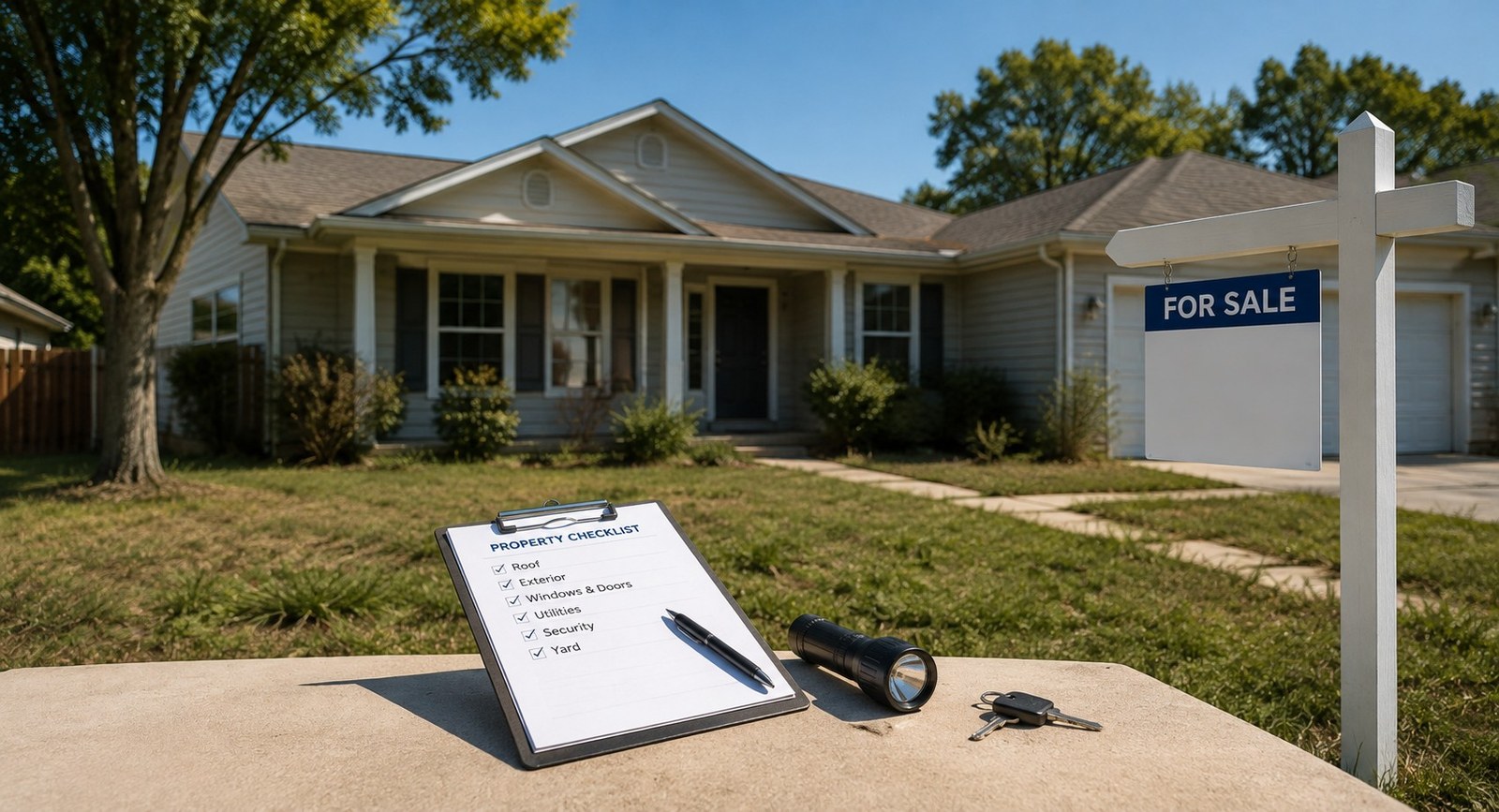
- Schedule periodic walkthroughs or inspections
- Secure all windows, doors, and entrances
- Remove debris or hazards around the property
- Select a higher deductible
- Only choose optional coverages that are necessary
Optional Add-Ons
- Builder’s risk for renovation projects
- Theft of appliances or stored property
- Water backup or sewer backup
- Extended replacement cost
- Vandalism buyback (if excluded)
- Coverage for tools or materials left on-site
Liability Coverage
Even a vacant home can pose liability risks. Someone could slip, fall, or get injured while on the property. Liability coverage helps with medical bills, legal defense, and settlement costs if a claim arises.
How long does the coverage last?
Vacant home insurance is flexible and may be available in three-month, six-month, and twelve-month terms. This allows property owners to buy protection only for the time they need it. If the home sells earlier than expected, the policy can usually be canceled with a refund of unused premium. If the home remains vacant longer than anticipated, coverage can often be renewed or extended.
Once the home becomes occupied again, many insurers allow the property owner to apply for a standard homeowners policy or another appropriate coverage form.
Average Cost
The cost of insuring a vacant home varies depending on several important factors. Insurers consider the condition of the home, its location, security features, prior claims, roof age, renovation activity, and how long it has been empty. Homes located in large metropolitan areas such as Dallas, Houston, San Antonio, or Austin may have different rates than rural properties due to differences in theft, break-ins, and weather exposure.
Because vacant homes are considered higher risk, premiums may be higher than standard home policies. However, pricing can vary widely by insurer and property details. Insurance Plus can help review available options based on your specific property.
Vacant vs. Unoccupied Homes
Insurance companies distinguish between “vacant” and “unoccupied,” and the difference can impact your coverage needs.
A vacant home is empty of both people and furnishings. Nothing inside the house suggests daily living occurs. An unoccupied home, on the other hand, still has furniture and may be lived in, but the occupants are temporarily away. Some insurers treat both situations similarly. Others allow unoccupied properties to stay on a standard homeowners policy for a limited time. Understanding how your insurer defines each scenario helps ensure the right coverage is in place.
Vacancy Clauses and Policy Limitations
Many homeowners insurance policies include vacancy clauses that limit or exclude coverage after the home has been vacant for a specific period. These clauses may affect vandalism, water damage, glass breakage, theft, liability, or other causes of loss.
Some insurance companies may offer a short-term vacancy endorsement. Others may require a separate vacant home policy. The correct approach depends on the current policy, property condition, expected vacancy period, and coverage needed.
Common Situations That Require Vacant Home Insurance
- Moving out before the home sells
- Rental property sitting empty between tenants
- Inherited or estate property waiting on decisions
- Major renovation or repair work
- Second homes or seasonal properties left empty
- Investment property awaiting occupancy
Each situation can affect how insurance companies evaluate the property and what type of coverage is available.
Vacant home insurance provides essential protection during the periods when a property is most vulnerable. Whether you’re selling a home, managing a rental property, completing renovations, or handling an inherited property, this type of coverage helps safeguard against major risks that standard homeowners policies may not cover. With flexible terms and options tailored for unoccupied homes, vacant home insurance offers reliable, temporary protection until the property becomes lived in once again.
Get Same Day Coverage
Getting coverage for a vacant home is typically fast and simple. Many insurers can issue same-day protection, providing immediate proof of insurance for real estate closings, estate requirements, or renovation projects. Quotes can often be completed quickly, and coverage can often be bound electronically with digital signatures.
Whether the home will be vacant for a short period or several months, same-day insurance offers peace of mind and helps ensure there are no gaps in coverage.
Frequently Asked Questions
Can you insure a vacant home in Texas?
Yes. Vacant homes in Texas can often be insured with specialized vacant home, dwelling fire, or related property insurance policies depending on the property and insurer.
When is a home considered vacant?
Many insurance companies consider a home vacant when it is unoccupied and largely empty of personal property for a period of time, often 30 to 60 days depending on the policy.
Does standard homeowners insurance cover a vacant home?
Standard homeowners insurance may reduce, restrict, or exclude coverage after a home becomes vacant. A vacant home policy or endorsement may be needed.
How long can vacant home insurance last?
Vacant home insurance may be available for short-term or annual terms, depending on the insurer, property condition, and expected length of vacancy.
Need Vacant Home Insurance?
Insurance Plus can help review coverage options for vacant homes, unoccupied properties, rental homes between tenants, estate homes, and properties under renovation.
Call 214-351-4097 or start a quote online.