Dwelling Coverage
May help repair or rebuild the main home after a covered loss, subject to the policy limit, deductible, covered cause of loss, exclusions, and claim conditions.

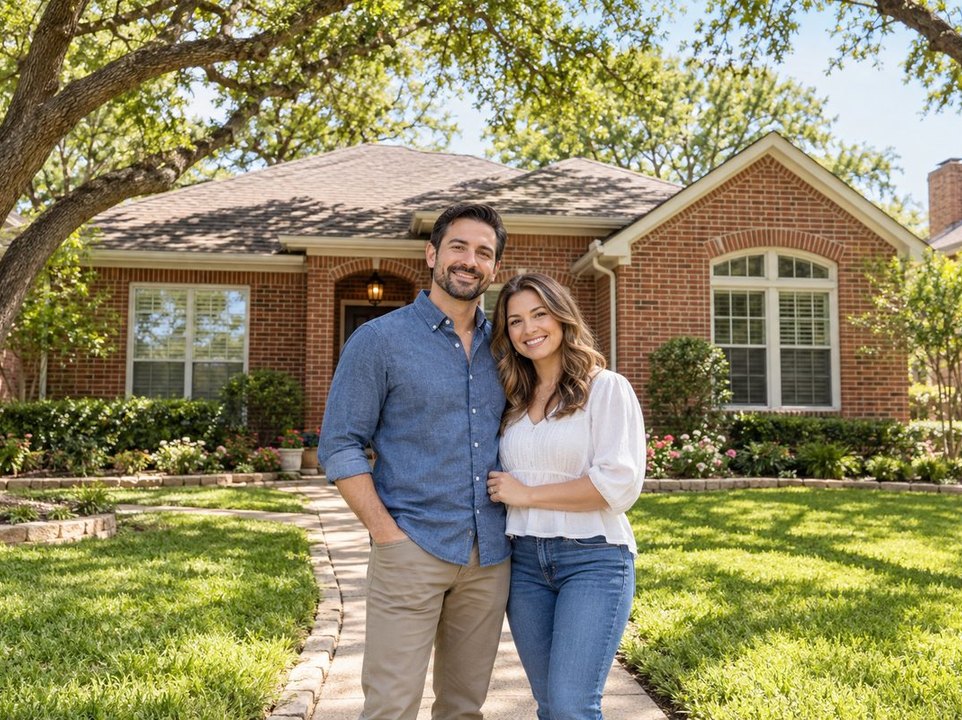
We help property owners review coverage for the home, belongings, personal liability, other structures, deductibles, roof concerns, and local North Texas property risks. Request a quote online or call our agency for help.
Major credit cards and EFT/ACH may be accepted depending on provider eligibility, down payment rules, billing plan, and policy type.
Payment plans, escrow handling, mortgagee billing, and automatic payment choices vary by provider.
A policy is often requested because a lender needs evidence of coverage before closing, but the coverage should be reviewed for more than the mortgage requirement. A Dallas home may need protection for the dwelling, detached structures, your personal belongings, personal liability, medical payments, and additional living expenses after a covered loss. The limits, deductibles, roof provisions, water limitations, and optional endorsements can matter just as much as the price.
Insurance Plus helps homeowners look beyond the basic proof requirement and think through how the property is used, how the home is built, what updates have been completed, and what local risks may affect the quote. The goal is to help match the property to the right available coverage route without confusing owner-occupied home coverage with condo, mobile home, vacant property, or landlord coverage.

Share the property details online or call Insurance Plus. We can help review what information may be needed before a quote can be completed.
Get a QuoteLocal agency support • Property coverage options
Your home's policy can include several coverage parts. Availability, limits, deductibles, endorsements, roof terms, and eligibility rules will vary by property and provider. We help Dallas homeowners review the major pieces so you get the right coverage for your needs.
May help repair or rebuild the main home after a covered loss, subject to the policy limit, deductible, covered cause of loss, exclusions, and claim conditions.
May help cover furniture, clothing, electronics, appliances, and other belongings damaged or stolen after a covered event, depending on policy terms.
May help respond to certain covered liability claims involving bodily injury or property damage to others, including defense costs where covered.
May apply to detached garages, fences, sheds, and similar structures on the residence premises, subject to the policy form and selected limit.
May help with additional living expenses if a covered loss makes the home temporarily unlivable and the policy conditions are satisfied.
Wind and hail deductibles, water backup, jewelry limits, equipment breakdown, roof settlement, and other details should be reviewed before choosing coverage.
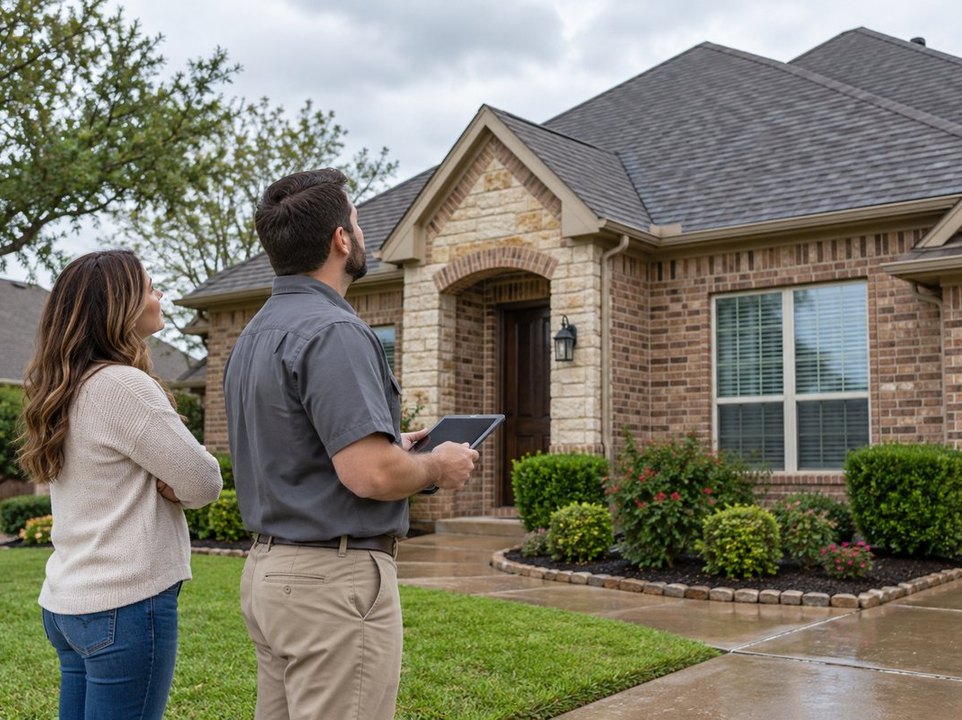
Dallas homes can face a mix of severe thunderstorms, hail, strong wind, roof wear, plumbing losses, theft concerns, liability exposure, and rising repair costs. Some neighborhoods include older homes with original systems or partial updates, while other areas include newer construction with different materials, larger square footage, and higher replacement cost needs. A policy that looks acceptable at a quick glance may still have deductible, roof, water, or coverage limit details that deserve a closer review.
The Dallas housing market also includes a wide range of property styles: traditional single-family homes, townhomes, historic homes, new infill construction, homes with detached garages, larger suburban-style properties, and residences with pools or other liability considerations. That variety makes it important to provide accurate details about the property instead of assuming every home can be quoted the same way.
Build a short record of the house as it stands today. Include measured living area, roof installation information, system updates and known losses. Identify a detached garage separately from the dwelling. If a seller’s description differs from an invoice or inspection, explain the uncertainty rather than choosing the more favorable answer.
An improvement can change several questions at once. For example, replacing an older roof may affect the proposed settlement terms, while remodeling a kitchen may change the reconstruction estimate. Give the dates and scope of completed work, distinguish repairs from full replacements, and disclose work that remains unfinished. Documentation is more useful than describing the entire house as newly updated.
A Dallas home may sell for one amount, appraise for another, and require a different amount to repair or rebuild after a covered loss. Market value can reflect land value, neighborhood demand, school district, location, and buyer activity. Replacement valuation focuses more on materials, labor, debris removal, local construction costs, and the features of the structure itself. That difference is one reason dwelling limits should not be chosen casually.
Coverage limits should be reviewed with attention to the home’s construction, size, roof type, interior finishes, attached and detached structures, and any special features. The lowest quote may not be the best fit if the dwelling limit, roof terms, water limitations, or liability limit do not match the homeowner’s actual needs.
For an older urban residence, distinguish original masonry, additions, and recently replaced systems in the rebuilding estimate. Attached garages and converted rooms should be described accurately.
A standard homeowners review usually begins with whether the house is owner occupied, regularly lived in, and used primarily as a residence.
Condo owners may need coverage for interior property, personal belongings, liability, loss assessment, and gaps in the association master policy.
Manufactured homes may require specialized review based on age, tie-downs, location, construction type, and provider eligibility guidelines.
A vacant home or home under renovation may not fit a normal homeowners policy and should be reviewed before assuming coverage applies.
Homes with prior claims, aging roofs, older systems, or unusual risk details may need a more focused high-risk home coverage review.
If the property is rented to tenants, visit our landlord insurance quote page instead of using an owner-occupied home quote path.
Review roof replacement records separately from cosmetic repairs and document any major interior remodeling. A neighborhood sale price is not a substitute for current reconstruction details. Confirm the specific details with the provider before relying on a coverage assumption.
Insurance Plus can help an owner compare the proposal with the actual house: who lives there, which structures belong on the application, and which losses the selected form addresses. Bring the lender’s instructions without treating them as a complete coverage specification. Keep questions about roof depreciation, water restrictions and deductibles beside the quoted premium so the important differences remain visible.
Dallas homeowners insurance should support your specific property and owner situation. A fast quote is helpful, but a clear quote is better when the details could affect claims, billing, mortgagee proof, or long-term satisfaction with the policy.
For a closing, coordinate the requested effective date with possession and the lender’s proof instructions. For a renewal, compare the expiring declarations with the proposed limits and endorsements. An owner refinancing an unchanged house may need different documentation from someone buying a property with unfinished repairs. Describe the transaction before asking how quickly evidence can be supplied.
Depending on provider eligibility, billing options may include a down payment, installment plan, mortgage escrow billing, EFT, ACH, or major credit card payment. Accepted payment methods and billing rules vary by provider, so they should be confirmed as part of the quote review rather than assumed.
A homeowner moving from renting to owning may care most about lender proof and affordability. A home in East Dallas with mature trees and an older roof may raise different questions than a newer home in far North Dallas, a townhome near a dense urban corridor, or a larger property with a pool. A homeowner with an older roof may need to focus on eligibility and roof settlement terms. A homeowner with recent remodeling may need to confirm whether the dwelling limit still reflects the updated structure.
The best quote conversation starts with the real situation. Is this a purchase, renewal, refinance, replacement policy, or urgent proof request? Is the house occupied now? Has the roof been replaced? Are there prior claims? Is the home titled as a condo, townhouse, manufactured home, or single-family residence? The answers can point the review in the right direction.
Homeowners often look closely at coverage only after a claim happens. It is better to review important details before a storm, fire, theft, water loss, or liability claim. Deductibles, roof settlement provisions, personal belongings, policy limits, jewelry sublimit, backup of sewer or drain endorsements, and loss-of-use limits can all affect how useful a policy feels at claim time.
No policy covers every possible event. Flood, earth movement, wear and tear, vacancy, business use, intentional acts, and maintenance issues may be limited or excluded depending on the policy. Asking questions before buying can help avoid surprises and can help determine whether separate coverage or endorsements should be considered.

Older wiring, roof updates, and renovation records may help clarify property details. Local agency support can be valuable when you need to explain a property situation, update mortgagee information, compare coverage paths, or understand why a particular home may require additional review.
As an independent agency, Insurance Plus can help review available options instead of limiting the conversation to one company path.
Provide accurate dates and descriptions of earlier claims, including completed repairs. Ask what supporting records an underwriter may need for a current proposal.
We help separate homeowners, condo, mobile home, vacant home, and landlord needs so the quote starts in the right place.
Common questions
A homeowners policy may include coverage for the dwelling, other structures, personal property, personal liability, medical payments, and additional living expenses after a covered loss, subject to policy terms, deductibles, limits, and exclusions.
Roof age, roof material, visible condition, prior hail damage, and repair history may affect eligibility, pricing, deductible options, and available roof claim settlement terms.
Yes. Condo and mobile home insurance may require separate review because coverage forms, property responsibilities, building details, and underwriting guidelines can differ from a standard owner-occupied house.
Rates can vary based on location, home age, roof age, construction type, square footage, claims history, coverage limits, deductible choices, selected endorsements, and provider eligibility rules.
No. A home you occupy and a property rented to others often need different coverage. Rental homes and investment properties may require landlord insurance rather than a standard homeowners policy.
Tell Insurance Plus about the property, desired effective date, lender needs, roof details, and coverage preferences.