Home Structure
Protection for damage to the insured manufactured home from covered causes of loss, subject to limits and exclusions.

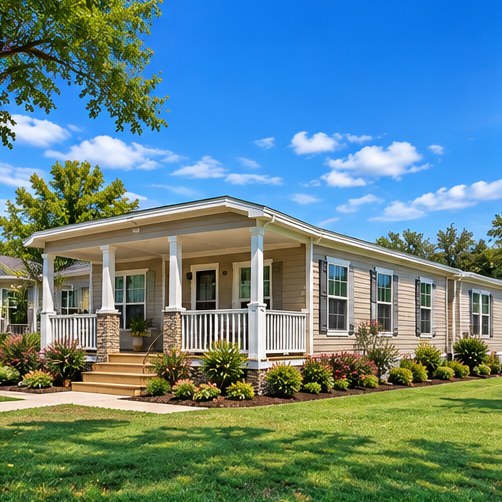
Compare coverage for newer HUD-code manufactured homes, including spacious double-wide and multi-section residences on private land or in established communities. Our Dallas-based independent agency helps Texas owners review dwelling protection, belongings, liability, roof provisions, and deductible options.
Major credit cards and EFT/ACH may be accepted depending on provider eligibility and billing plan.
Down payments, billing arrangements, and mortgagee payment options vary by insurer.
Modern manufactured homes may have spacious floor plans, multiple bedrooms, finished porches, residential-style siding, and upgraded kitchens. The construction classification depends on the building standard—not the home's appearance, number of sections, or square footage.
For an overview of older factory-built homes, see our Texas manufactured home insurance and mobile home coverage guide.
Homes built to the federal HUD manufactured housing standards beginning June 15, 1976 are distinguished from older pre-code mobile homes. Modular homes follow a different construction code and may need a different insurance form.
When reviewing manufactured home insurance, consider the structure, personal belongings, liability, additional living expenses, and the treatment of decks, carports, sheds, and other improvements.
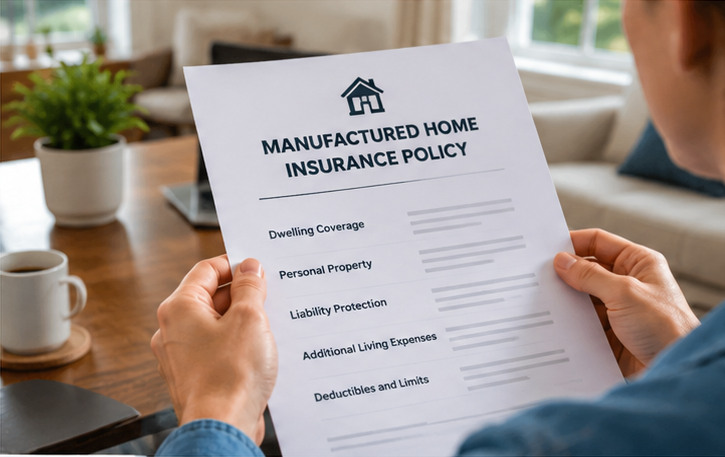
Tell us about the residence, where it is located, and how it is occupied. Our agency can help review coverage options and insurer requirements.
Request Manufactured Home QuoteIndependent agency support • Serving Texas since 1997
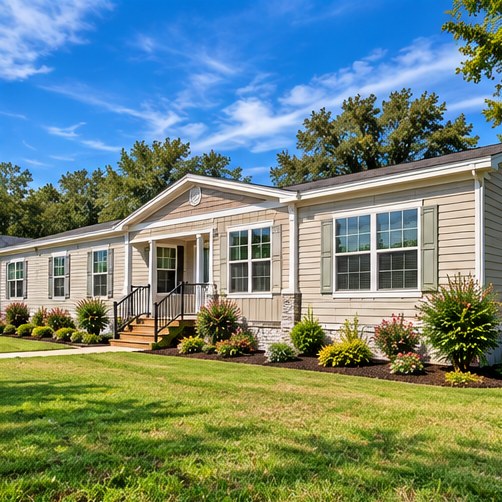
Many contemporary manufactured residences are substantially larger than the older single-wide models people associate with the term “mobile home.” Multi-section designs can include larger living areas, multiple bedrooms, full-size kitchens, and substantial exterior improvements.
For insurance purposes, the HUD certification label and manufacturer documentation help establish the construction category. A larger floor plan or permanent-looking foundation does not automatically make the property a modular or site-built house.
Policy provisions, endorsements, limits, and eligibility vary by company and home characteristics.
Protection for damage to the insured manufactured home from covered causes of loss, subject to limits and exclusions.
Furniture, appliances, electronics, clothing, and other belongings may be insured for covered damage.
Coverage may respond to certain qualifying claims of bodily injury or property damage to others.
Porches, carports, sheds, and similar improvements should be identified when selecting coverage.
May help with extra living costs when a covered loss makes the insured residence uninhabitable.
Check replacement cost or actual cash value terms, roof provisions, and separate wind or hail deductibles.
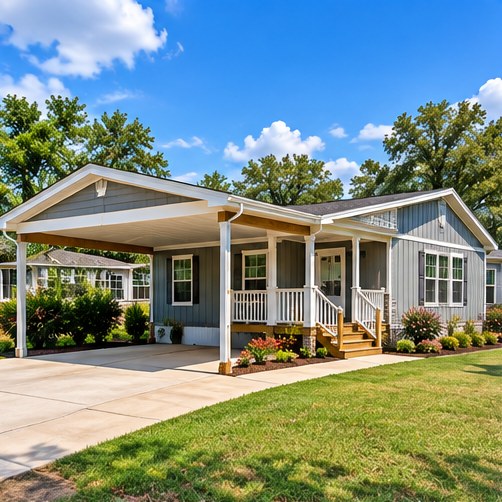
A newer manufactured residence can be installed on a spacious private lot, including rural acreage. Coverage review should account for the dwelling and any porches, detached structures, carports, fencing, and other improvements you want considered.
Installation, anchoring, foundation or support system, site access, roof condition, and the home's relocation history may affect eligibility. Owning the land does not by itself change the home's HUD-code classification.
Share accurate details about whether the home is owner-occupied, seasonal, vacant, or rented to tenants; rental use may call for a different policy form.
Review Landlord Coverage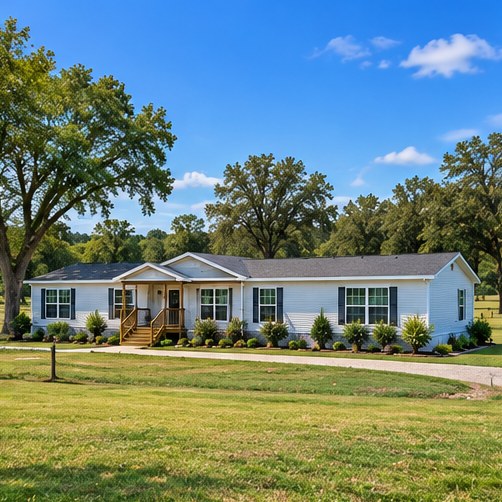
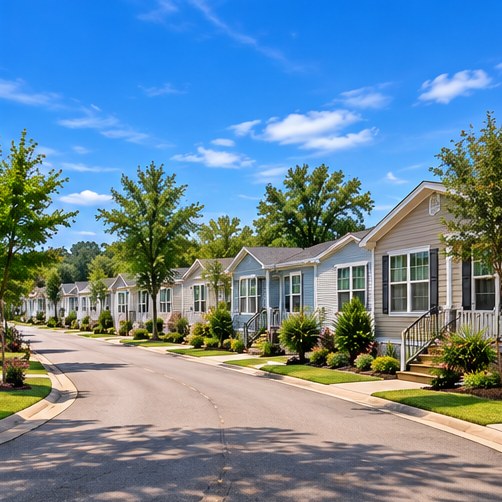
Many owners live in professionally managed manufactured-home communities with neighborhood roads, shared amenities, and individually occupied residences. The home itself and the owner's belongings may need coverage even when the land is leased.
Community rules, occupancy, tie-down requirements, home additions, and the location of the property can influence the quote information a provider requests. Ask whether liability limits or other coverage requirements apply to your particular community.
We help Texas owners review options for both community-based and private-land installations.
Texas weather exposures vary widely. Roof age and materials, prior storm damage, installation and anchoring, and geographic location can affect insurer eligibility and available terms.
Check whether wind and hail are included, excluded, or subject to a separate deductible. Some coastal properties may need separate windstorm coverage. Flooding from rising water is generally excluded from standard property policies and typically requires separate flood insurance.
Texas windstorm coverage and flood insurance are explained in our related guides.
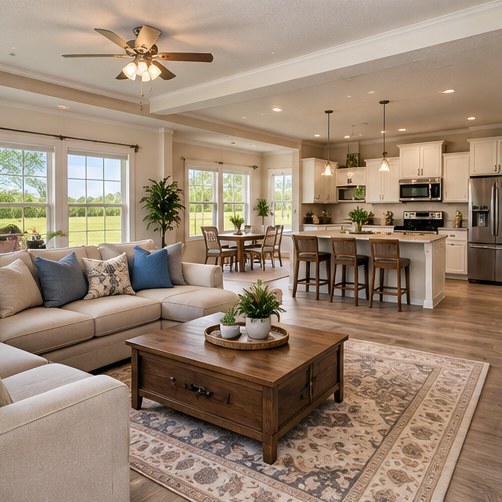
Contemporary manufactured homes may have high-value appliances, open-plan living spaces, upgraded finishes, and substantial personal property. Consider the value of furniture, electronics, clothing, and other belongings when selecting coverage limits.
Actual cash value generally accounts for depreciation; replacement cost provisions, when offered and selected, may provide a different basis for settling eligible losses. Terms and conditions vary by coverage and insurer.
Ask about additional living expenses if a covered loss leaves your home temporarily unlivable.
Accurate home details help us identify appropriate providers and avoid unnecessary delays.
Year built, manufacturer, model, dimensions, number of sections, and HUD label or serial/VIN information if available.
Street address, community or private land, foundation, anchoring, relocation history, and attached improvements.
Owner occupancy or rental use, roof condition, previous claims, desired limits, mortgage details, and deductible choices.
Common questions about manufactured home policies in Texas.
Yes. Manufactured homes may need specialized coverage based on the home type, age, location, occupancy, tie-downs, roof condition, and policy eligibility.
Coverage may include the insured dwelling, personal belongings, liability protection, additional living expenses, and certain attached or detached structures after a covered loss.
The quote may be affected by the home's age, location, size, construction, roof condition, tie-downs, occupancy, prior claims, coverage limits, deductibles, and payment options.
A manufactured home rented to tenants may require landlord or rental property coverage instead of an owner-occupied home policy.
Yes. You can request a quote online or call Insurance Plus for help reviewing manufactured home coverage information and quote requirements.
Wind and hail coverage depends on the provider, property location, policy form, deductible, and other underwriting factors. Review the policy terms and applicable wind or hail deductibles before selecting coverage.
Helpful information may include the home's year, manufacturer, size, location, occupancy, serial or VIN information, roof condition, tie-downs, additions, prior claims, desired limits, and mortgage or lienholder details when applicable.
Replacement cost coverage may use the cost to repair or replace covered property without the same depreciation adjustment used with actual cash value. Availability and loss-settlement terms vary by provider and policy.
Request a quote for a qualifying HUD-code residence and compare available dwelling, belongings, liability, weather, and payment options.