Property Condition
Photos, inspection reports and repair documentation can help clarify a condition concern. Share unrepaired damage and the status of planned work.

A declined application does not always mean you have exhausted your options. Share the notice, property details and coverage deadline with our Dallas office so we can review the situation and discuss possible alternatives.
Serving Texas since 1997 • Licensed independent insurance agency • Statewide support
Major credit cards and EFT/ACH may be accepted depending on provider eligibility, down payment rules, billing plan, and policy type.
Payment plans, escrow handling and automatic payment choices vary by provider and policy.

An application decline, policy cancellation, nonrenewal and claim denial are different events. Tell us which happened and provide any written notice. The next coverage review should address the actual reason and the time available before a policy ends.
If you have had home insurance denied in Texas, gather the written notice, current declarations, inspection findings, and repair records. These documents help our office identify the stated concern and the coverage deadline before reviewing alternatives.
Use the homeowners quote form for an owner-occupied home. Include the decline reason and deadline. Rental dwellings, vacant properties and manufactured homes may require their own coverage review.
Request a Coverage ReviewOur Dallas office • Direct agency assistance
Do not guess at the reason for a decline; use the insurer’s actual explanation.
Photos, inspection reports and repair documentation can help clarify a condition concern. Share unrepaired damage and the status of planned work.
Include material, condition and replacement year. Texas insurers may consider the physical condition of a roof and other home components, but TDI has clarified that a company cannot decline or nonrenew a home policy solely because of the age of the house or roof. Review the written notice and inspection findings, and see our Texas roof insurance guide for roof-age, condition and coverage questions.
Provide the type and date of prior losses and any corrective work. Explain open claims and existing damage so the next insurer receives accurate information.
A rental, vacant, seasonal or renovation property may need different coverage from a primary residence. Explain who occupies the home and how it is used.
A carrier may have underwriting or geographic restrictions. Another market may evaluate the address differently, subject to its own eligibility requirements.
Provide current declarations, termination notices and any lapse dates. These documents help establish the timing and the type of replacement review needed.
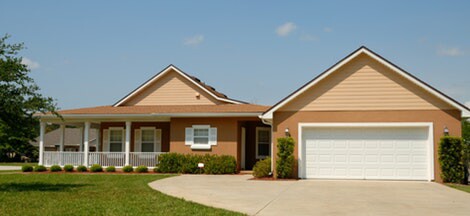
A home insurance decline means an insurer did not approve a new application. A cancellation ends an existing policy before its expiration date, while a nonrenewal means the insurer will not continue the policy after the current term ends. A denied claim is different: it concerns a loss submitted under an existing policy.
For decisions made after January 1, 2026, Texas law requires insurers to provide a written statement explaining why a home policy was declined, canceled or nonrenewed. Review that notice before assuming the problem is simply the home’s age, roof age or claims history.
The Texas Department of Insurance now publishes ZIP-code-level information about reported reasons for these actions. Reasons can include property condition, claims history, location or exposure to loss, credit or insurance score together with other underwriting factors, value of the home, insurer market restrictions and other circumstances. The reason stated on your own notice is the one that matters for the next coverage review.
A new quote does not resolve an existing claim dispute. For coverage concerns or an explanation you believe is improper, review the Texas Department of Insurance resources and complaint options. Our office can discuss a new coverage request, but an insurer must address its own claim decision.
Having a Texas homeowners insurance application declined does not necessarily end your search. Our independent agency can review whether another available market is appropriate for the property. The review may involve standard, specialty or surplus lines coverage, depending on the risk and market availability. Each option has its own eligibility, form, exclusions and pricing.
Compare the coverage offered rather than assuming every alternative is equivalent to the prior policy. Review dwelling and contents limits, liability, roof settlement, water-related coverage, wind and hail, deductibles and any inspection or repair conditions before purchasing.
Texas FAIR Plan is an insurer of last resort for eligible residential risks that cannot obtain comparable coverage through the regular market. Declinations from at least two qualifying Texas insurers are part of its eligibility requirements; a decline from one company alone does not establish eligibility.
Eligibility also depends on other requirements and available offers of coverage. FAIR Plan coverage is limited, and it should be reviewed alongside any separate windstorm or flood needs. Use our Texas FAIR Plan page and the official eligibility resource to discuss whether an application is appropriate.
Gather notices, declarations, inspection findings, loss information and repair records. Describe the property condition honestly and make practical repairs where appropriate. Ask what documents would help the next insurer evaluate the home, rather than assuming a change will guarantee acceptance.
If the current policy will end soon, tell us the exact date and avoid waiting until the final day. Keep the lender informed when a coverage change affects financed property. Complete any replacement requirements and confirm the effective date before considering the new coverage active.
Review related coverage options for your home.
Review coverage questions for more difficult properties.
Review the insurer-of-last-resort option.
Discuss specialty property coverage with our agency.
Review documents and deadlines for replacement coverage.
Compare traditional Texas forms with related HO-2, HO-3 and HO-5 terminology.
Our Dallas office helps customers throughout Texas.
Review common questions before requesting or purchasing coverage.
No. Another available insurer may evaluate the property differently. Acceptance, price and terms depend on its underwriting review.
No. A claim denial concerns a loss under an existing policy. An application decline concerns whether an insurer will offer a new policy.
No. At least two qualifying insurer declinations are part of eligibility, and other requirements and available coverage offers also matter.
Yes. The stated reason and effective date help our office understand the situation and the replacement deadline.
For decisions made after January 1, 2026, Texas law requires the insurer to provide a written statement explaining the reason. Keep that notice with your declarations, inspection information and repair records when requesting another coverage review.
Repair records, photographs and inspection information may help an insurer evaluate the property. Repairs do not guarantee acceptance.
Timing depends on the insurer, property and completed requirements. A quote request does not bind coverage, and immediate acceptance is not guaranteed.
Review the provider or regulator information alongside the actual policy offered.
Share your coverage needs and deadline, or call our Dallas office.