Independent agency · Serving Texas since 1997214-351-4097
Insurance Plus
North Texas rental-property owners

Rockwall Landlord Rental Property Insurance

Compare Rockwall landlord insurance quotes with a clear account of the acquisition, current tenants and any work still needed. A lake-region address does not describe every building’s drainage or roof terms. Insurance Plus can review available options using the actual premises and ownership records.

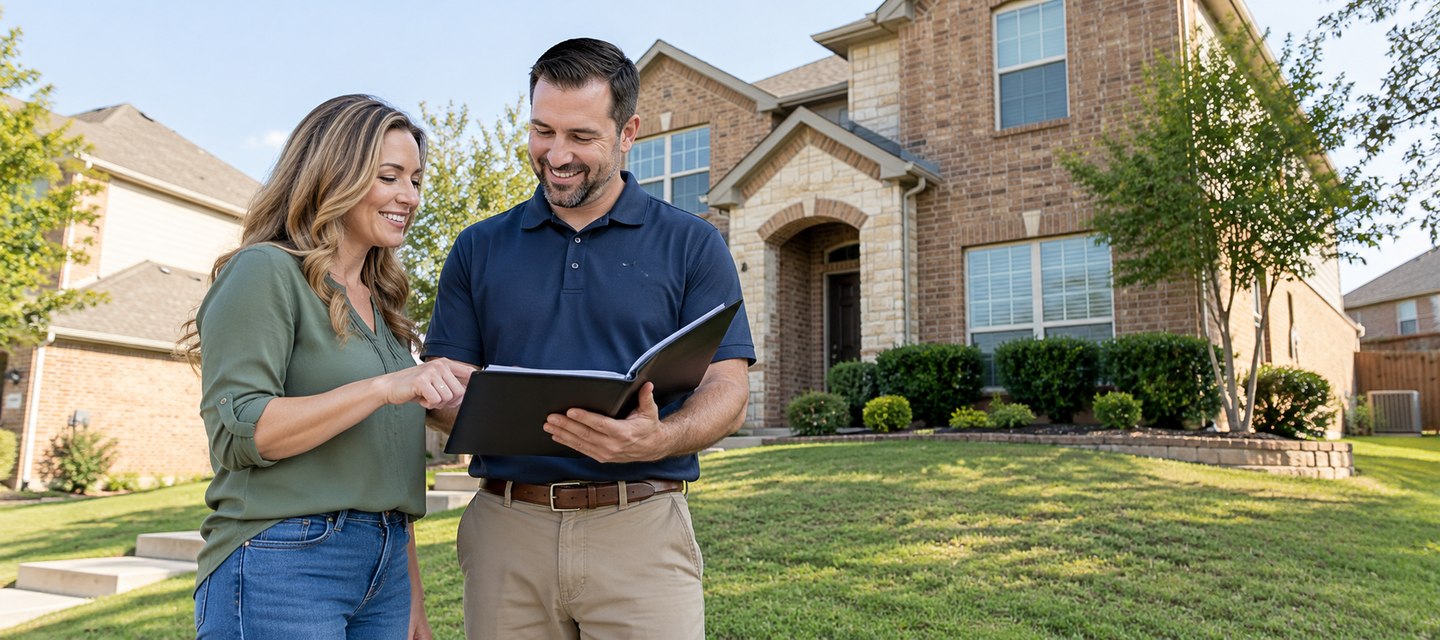
An owner reviewing Rockwall landlord insurance with a property manager outside a rental home

Payment & billing options

Methods and installment plans vary by carrier. A quote request does not take payment or bind coverage.

Rockwall rental property insurance for the building you own

A house near the lake region and an inland subdivision rental need their own site and building records. A lake-area mailing description does not establish waterfront exposure, flood status or the terms offered for a particular structure.

For Rockwall rental property insurance, provide the building’s year, size, construction and actual unit arrangement. List ownership and mortgage interests rather than carrying forward a prior owner’s assumptions.

For a newly acquired house, distinguish purchase price from reconstruction cost and document any owner improvements. A growing account also needs accurate mortgages and ownership entities by address instead of one combined description.

Keep the property description current through a purchase, repair or tenant change. Ask which inspection records and completed-work evidence the proposed market needs; an application should describe the premises as they stand today.

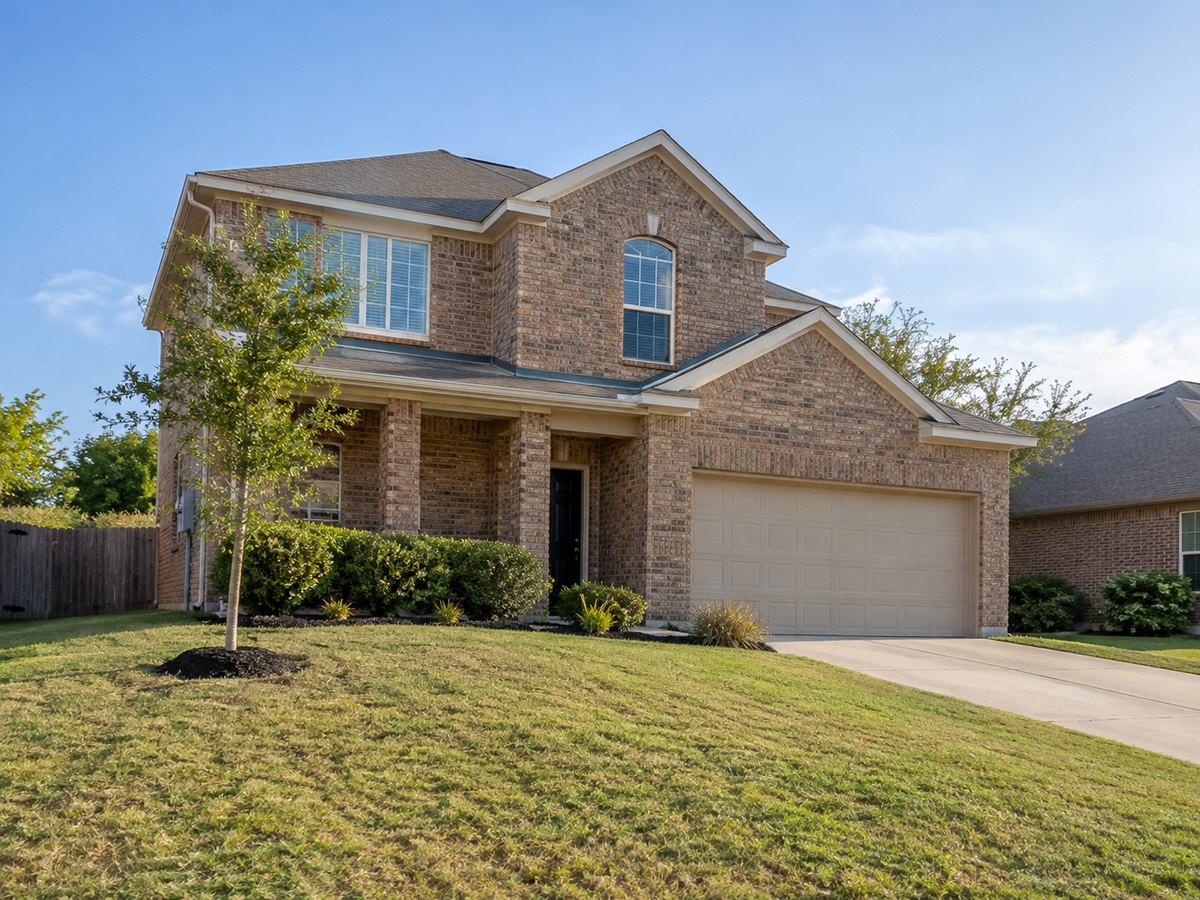
A maintained rental building illustrating Rockwall rental property insurance considerations
Describe the actual structure and leased units. Property imagery is illustrative, not a specific listing.

Keep the rental arrangement and the maintenance records current

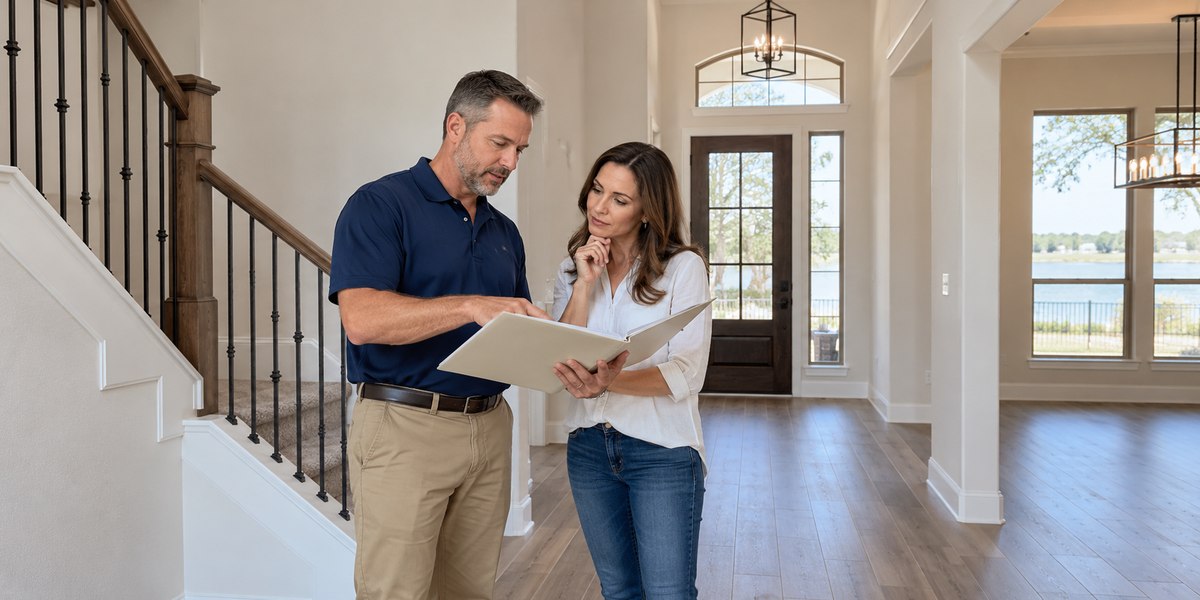
An owner reviewing inspection records before leasing a newly acquired house

New acquisitions and expanding accounts

When adding a property, keep the building and occupancy facts at the location level. A new tenant, a vacant acquisition and a house under repair can require different arrangements even when the same owner holds all three.

Keep Rockwall rental property insurance aligned with occupancy and ownership changes. Report the current arrangement before assuming the original terms remain appropriate.

Identify who can meet an inspector and confirm repairs if you manage from elsewhere. A neighbor’s occasional visit and a manager’s contract are different facts; provide the actual responsibilities without assuming either creates insured status.

Explain any owner-provided furnishings or retained storage and any association obligations. The application should follow the property actually leased, not a generic portfolio label.
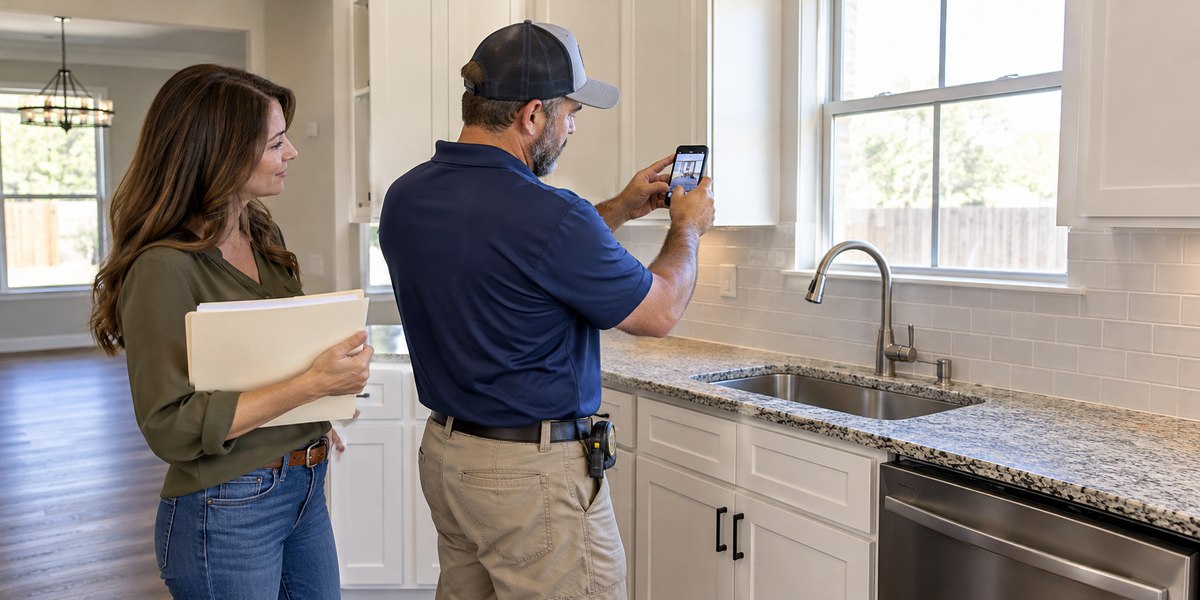
An owner and contractor documenting completed repairs between tenants

Separate completed repairs from pending work

For a newly acquired house, reconcile the inspection list with invoices and dated photographs. Separate the seller’s representations from work you can document. Provide unresolved roof or system issues before a market review.

If repairs delay the first tenant, explain current utilities, access and vacancy. A future signed lease does not describe a house under substantial work today. Ask which arrangement fits the present facts.

Keep detached structures and retained owner storage on the condition file. Report later conversions or new leased areas rather than assuming every use was accepted at acquisition.

Read the vacant rental-property guide →

When comparing proposals, ask about any required inspections or repairs and whether relevant ordinance-or-law protection is available. Confirm outstanding items before relying on the proposed effective date.

Hail, roof history and the owner’s retained share

Rockwall’s engineering resources include stormwater and floodplain information. Use the relevant address and available drainage records when examining the site; do not assume a view, elevation impression or neighborhood name settles the flood question.

For hail and roof review, identify the actual roof age, material and completed repairs. Separate a seller’s inspection from an invoice for replacement work. A proposed roof benefit may use depreciation or a schedule even when other building protection is described differently.

Ask about deductible triggers and calculation basis before comparing premiums. Roof damage, rain entering through an opening, backed-up water and surface flooding can be treated differently. Separate flood protection deserves its own limits and effective-date review.

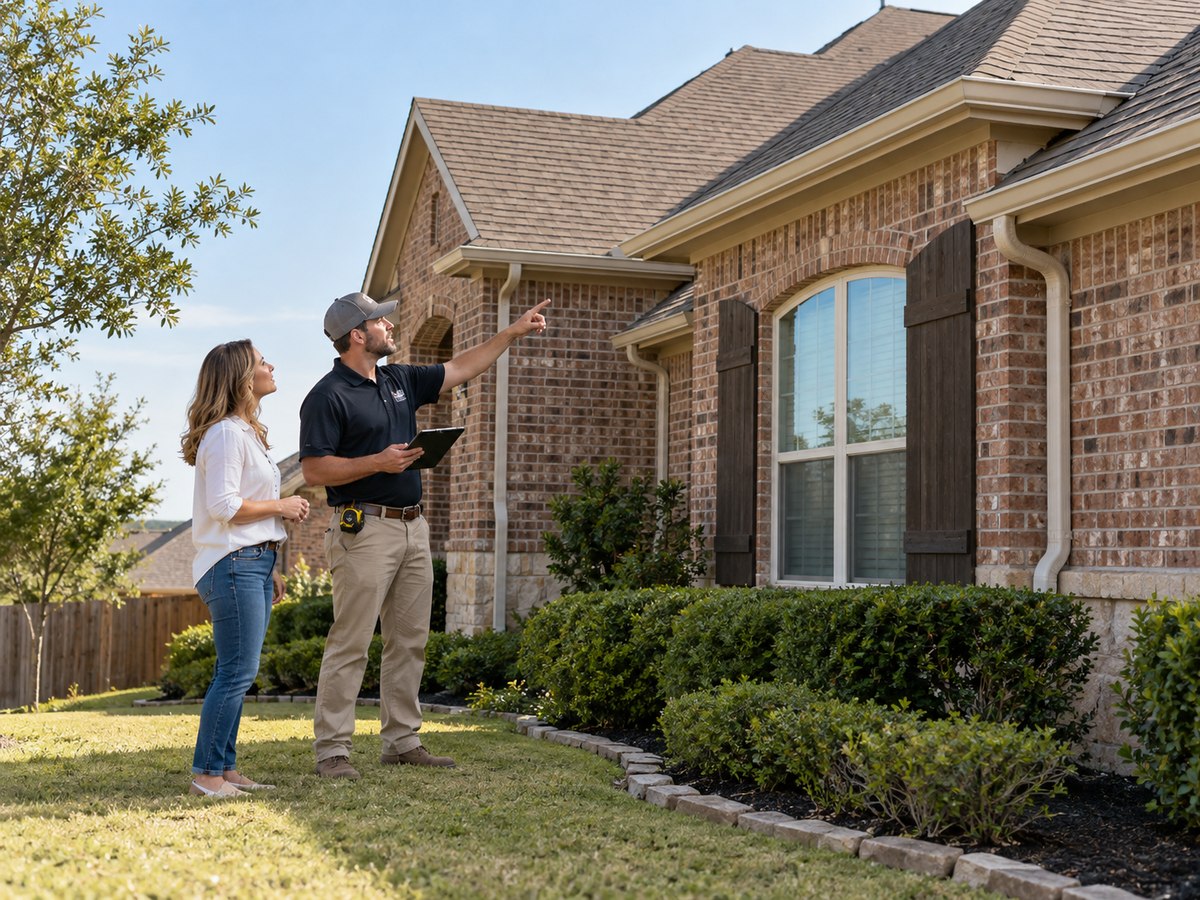
An owner investigating roof condition and site grading at a North Texas rental
Illustrative property review; the photograph does not document a particular weather loss.

Use an official address resource

The local flood, drainage or weather resource can help organize questions about the premises. Check the specific site and available records; do not infer an individual property’s risk or eligibility from a citywide description. Mapping and prevention information do not replace the wording of a proposed insurance contract.

Owner protection beyond the dwelling limit

Separate the building from owner-owned items

List furnishings, appliances and maintenance equipment kept for the rental. Ask which limit addresses those items and which structures are insured separately. The dwelling amount should not be treated as proof that everything on the lot is covered.

Keep an inventory and photographs with your records, and update them when the owner replaces or adds property. Tenant belongings are generally a separate matter. Compare the actual described property and valuation rather than relying on one total on a declarations page.

Read the contract behind a form label

DP1, DP2 and DP3 descriptions can organize a comparison, but actual wording and endorsements control. A form name alone does not establish insured causes, valuation, liability or eligible income protection.

Review the building, other structures, owner-owned property and available endorsements together. Ask how exclusions and settlement conditions affect the concerns you identified for this particular rental. Do not compare premiums as if the underlying contracts were necessarily identical.

Landlord insurance for Rockwall rentals: review your options

Have building size, construction, roof material, update dates and current occupancy ready. Supply the address and ownership before comparing proposed limits.

Explain prior wind, water, fire or liability losses and the repairs completed afterward. Disclose a lapse or nonrenewal so the agency can review the current situation accurately.

Insurance Plus helps owners review Rockwall landlord insurance for eligible residential rentals. Insurance Plus has served Texas since 1997 and can explain available proposals and required information.

Same-day markets are available for eligible rentals, subject to underwriting approval and binding requirements. A form requests a review; it does not issue a policy. Confirm approval, agreed terms, effective dates and required payment before relying on coverage.

A property owner comparing building records and proposed coverage with an agency representative
Organized building, occupancy and ownership records support a clearer proposal comparison.

A new acquisition before the first tenant moves in

Suppose the purchase closes before repairs are complete. Provide the present condition, utilities, intended work and expected lease date at the outset. A future occupied use does not describe an empty building under renovation today.

Gather inspection findings and the proposed repair schedule with ownership and lender information. Tell the agency which issues have been resolved and which await a contractor. A closing date does not guarantee that every market can bind the property.

When the work and occupancy change, update the submission. Confirm the insured structures, limits and effective dates rather than assuming the acquisition arrangement automatically becomes long-term rental coverage.

Nearby cities and communities

We also help rental-property owners in these nearby communities.

Rowlett landlord insuranceView city coverage →
HeathService area
FateService area
Royse CityService area
McLendon-ChisholmService area
Garland landlord insuranceView city coverage →

Questions before choosing coverage

Does a lake-area address establish flood eligibility or exclusion?

No. Investigate the individual premises and actual proposed terms. A neighborhood or marketing description does not replace site records, mapping or a separate flood review.

Can a closing deadline guarantee binding?

No. Supply ownership, lender requirements and inspection findings early. Outstanding work, eligibility and underwriting questions can affect available terms. Confirm approval and the effective date before relying on a proposal.

Can roof settlement differ from the building’s valuation?

Yes. Read the actual roof endorsements, any depreciation or payment schedule, deductible and replacement-cost conditions separately. A broad dwelling description does not establish identical treatment for the roof.

How should separately leased rooms be described?

Explain the household, room-lease arrangements, furnishings and any owner-occupied portion. Bedrooms and insured units are not interchangeable counts. Accurate current use is needed for market review.

What should I prepare when asking for assistance?

Call 214-351-4097 with the property’s current use, unit count and coverage questions. Keep the current declarations page and recent roof or repair records available for review.

Is same-day coverage available for every application?

Same-day markets are available for eligible rentals, subject to underwriting approval and binding requirements. A quote request does not itself issue coverage. Confirm agreed terms, effective dates and any required payment before relying on a policy.

Review the rental you own

Call 214-351-4097 or choose the appropriate quote form.

Quote · 1–4 unitsQuote · 5+ units