Independent agency · Serving Texas since 1997214-351-4097
Insurance Plus
North Texas rental-property owners

Sherman Landlord Rental Property Insurance

Review Sherman landlord insurance quotes with current inspection findings, tenant use and ownership records. An older house purchased with residents in place may still have unfinished repair questions. Insurance Plus can help compare available terms without carrying forward the seller’s assumptions.

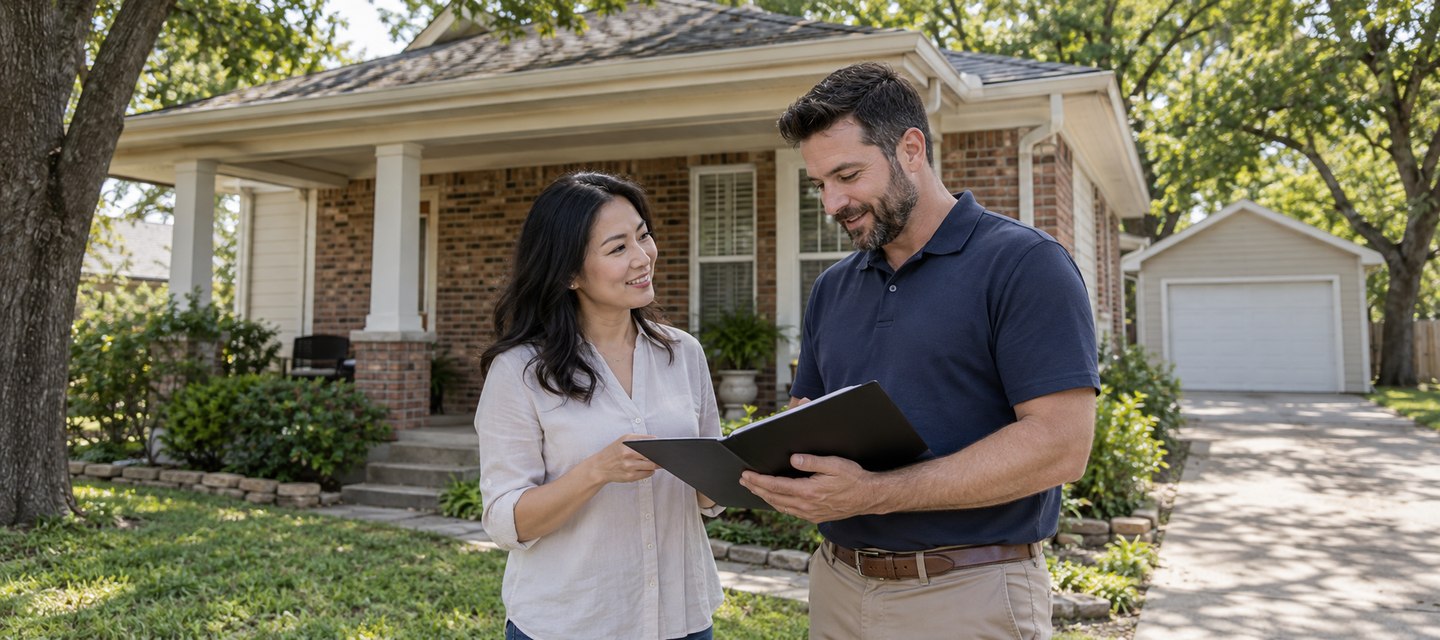
An owner reviewing Sherman landlord insurance with a property manager outside a rental home

Payment & billing options

Methods and installment plans vary by carrier. A quote request does not take payment or bind coverage.

Sherman rental property insurance for the building you own

An owner acquiring an established porch-front house should separate purchase plans from current condition. Explain whether tenants remain, whether repairs are needed and when the building will actually be ready for a new lease.

For Sherman rental property insurance, provide the building’s year, size, construction and actual unit arrangement. List ownership and mortgage interests rather than carrying forward a prior owner’s assumptions.

If several North Texas properties are added to the account, keep each roof, ownership and occupancy record distinct. A regional growth story is not an insurance classification or proof that every new acquisition qualifies for one program.

Use an appropriate reconstruction estimate for building limits. The purchase price and loan balance are different measures. Identify detached structures, owner-owned appliances and furnishings so their limits can be considered separately.

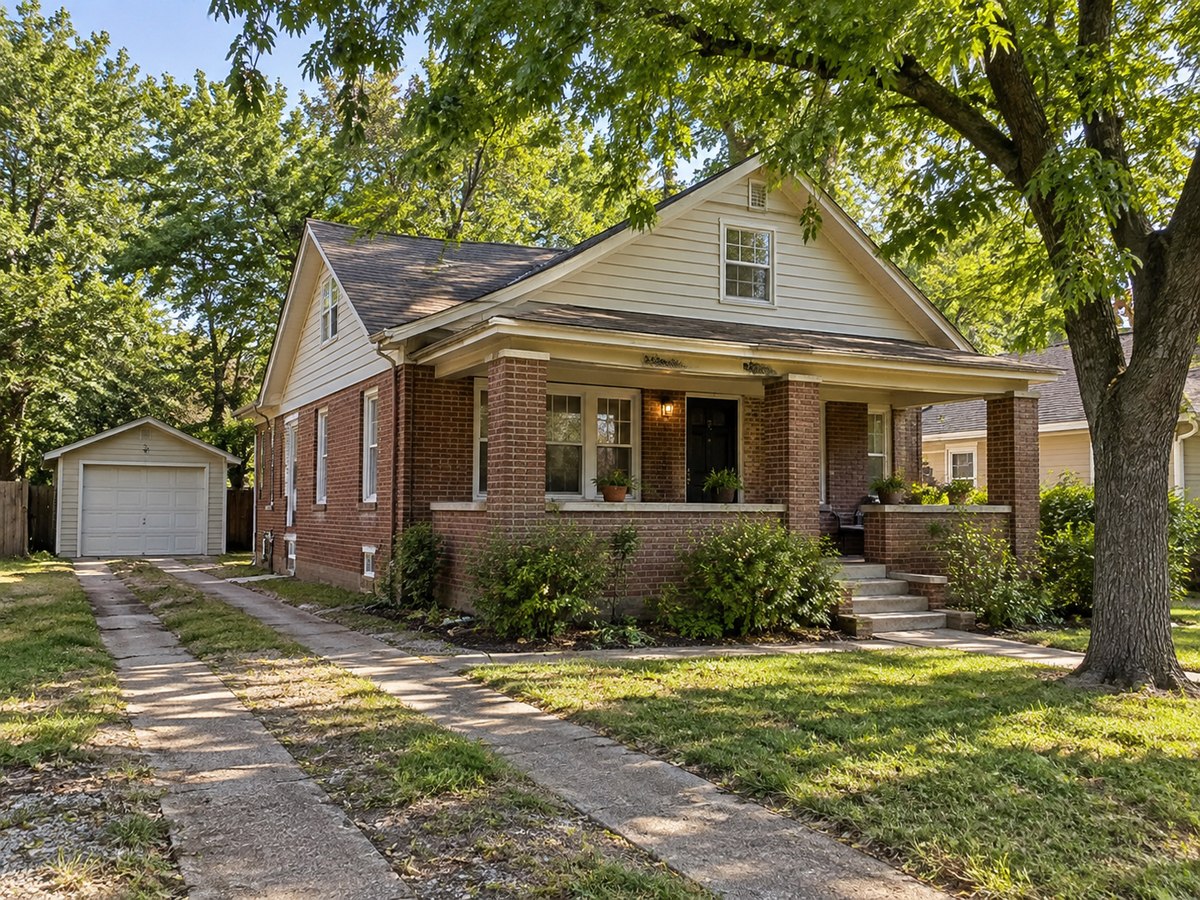
A maintained rental building illustrating Sherman rental property insurance considerations
Describe the actual structure and leased units. Property imagery is illustrative, not a specific listing.

Keep the rental arrangement and the maintenance records current

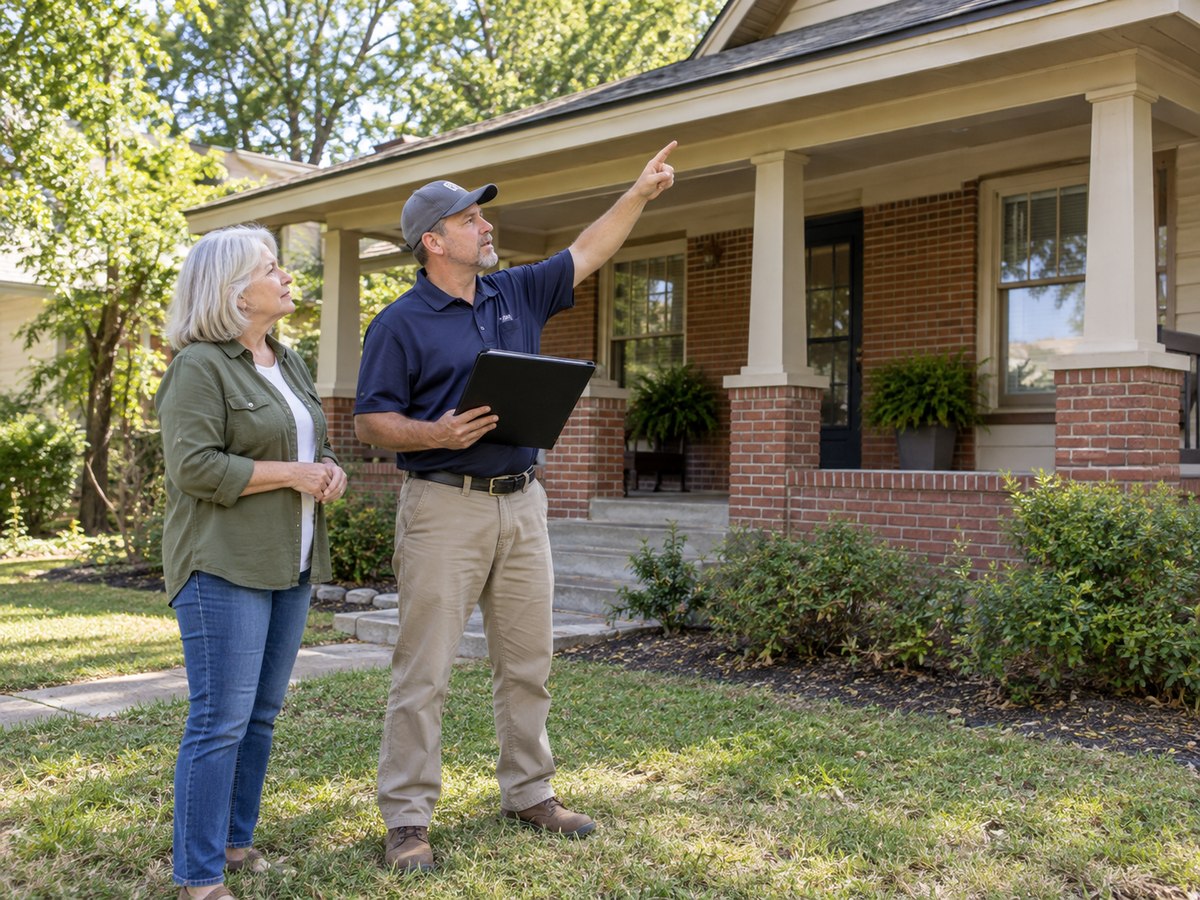
An owner and property manager reviewing an occupied-rental acquisition

New acquisitions and expanding accounts

A newly purchased rental can be occupied, empty or under substantial repair at the time coverage is requested. Describe the current condition, not just the use intended after the work is finished.

Keep Sherman rental property insurance aligned with occupancy and ownership changes. Report the current arrangement before assuming the original terms remain appropriate.

If a manager or family member will arrange inspections, identify that role and their access. Keep ownership entities and lender interests accurate; holding keys or collecting rent does not establish automatic insured status.

Report changes in tenant use, added living areas or a longer-than-planned vacancy. An expanding account needs reliable updates by address rather than one assumption applied to every building.
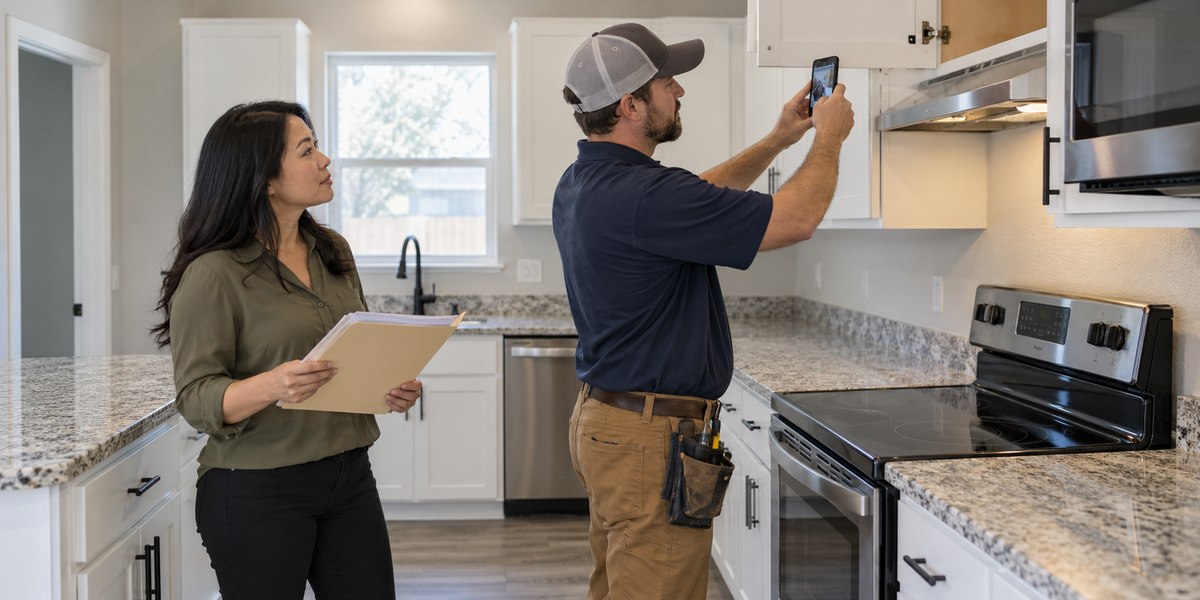
An owner and contractor documenting completed repairs between tenants

Vacancy and work between leases

On an occupied acquisition, reconcile available inspection findings with completed-work evidence. Ask for actual roof and major-system records rather than treating tenants in place as proof of good condition.

If a project requires vacancy or disconnected utilities after closing, disclose those plans and current facts. The owner should not rely on a proposal prepared for uninterrupted household occupancy through substantial work.

Update the account as repairs end and new tenants arrive. Keep the condition file by address so a later acquisition does not inherit another house’s roof date or repair history.

Read the vacant rental-property guide →

Ask whether ordinance-or-law protection is relevant when comparing covered repair terms. A planned remodel, code upgrade or vacant period should not be assumed insured merely because the building has a dwelling limit.

Hail, roof history and the owner’s retained share

Sherman’s floodplain and GIS resources help identify the relevant address and jurisdiction. Investigate the particular premises rather than inferring drainage exposure from a new subdivision, familiar neighborhood or previous absence of claims.

For an older house, obtain the actual roof and system update history. A sale listing’s renovated description can include cosmetic work without a roof replacement or concealed-system update. Explain what the invoices and inspections actually show.

Compare roof valuation and wind/hail deductibles alongside the building limit. Ask whether depreciation or a schedule applies and how a percentage deductible is calculated. Consider separate flood terms rather than assuming a broad dwelling form covers rising water.

An owner examining roof and repair records before buying an older rental
Illustrative property review; the photograph does not document a particular weather loss.

Use an official address resource

The local flood, drainage or weather resource can help organize questions about the premises. Check the specific site and available records; do not infer an individual property’s risk or eligibility from a citywide description. Mapping and prevention information do not replace the wording of a proposed insurance contract.

Review the insured interests behind the premium

Separate the building from owner-owned items

List furnishings, appliances and maintenance equipment kept for the rental. Ask which limit addresses those items and which structures are insured separately. The dwelling amount should not be treated as proof that everything on the lot is covered.

Keep an inventory and photographs with your records, and update them when the owner replaces or adds property. Tenant belongings are generally a separate matter. Compare the actual described property and valuation rather than relying on one total on a declarations page.

Compare reconstruction rather than market value

Purchase price, land value, the loan balance and rebuilding cost are different measures. Review an appropriate reconstruction estimate and the information used to prepare it, including the building’s area, construction and features.

Check replacement-cost conditions, actual-cash-value treatment and relevant endorsements. A higher limit does not remove exclusions or automatically change roof settlement. Compare equivalent terms and determine what the owner would retain after an eligible loss.

Landlord insurance for Sherman rentals: review your options

Prepare the address, year built, square footage, construction type, stories and unit count. Add roof dates, completed updates and the requested effective date.

Include prior losses, cancellations, nonrenewals, gaps and unresolved damage. Use actual records rather than guessing. A proposed effective date is not proof that outstanding conditions have been satisfied.

Insurance Plus helps owners review Sherman landlord insurance for eligible residential rentals. Insurance Plus has served Texas since 1997 and can explain available proposals and required information.

Same-day markets are available for eligible rentals, subject to underwriting approval and binding requirements. A form requests a review; it does not issue a policy. Confirm approval, agreed terms, effective dates and required payment before relying on coverage.

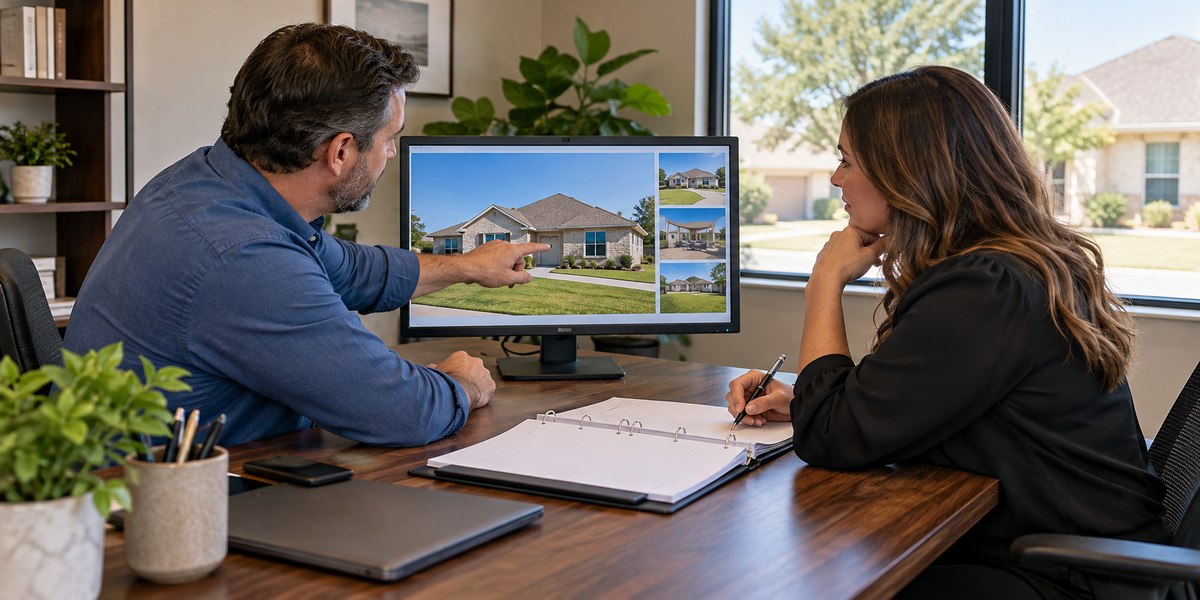
A property owner comparing building records and proposed coverage with an agency representative
Organized building, occupancy and ownership records support a clearer proposal comparison.

Buying an older rental with tenants already in place

Consider a purchase where the existing household remains after closing. Gather the current lease arrangement, unit layout and available inspection findings before asking the agency to review terms. Occupancy alone is not evidence that repairs are complete.

Identify who now owns the building, the effective closing date and lender requirements. The seller’s limits and ownership name should not simply be carried forward. Allow time for questions rather than treating the closing deadline as guaranteed acceptance.

After purchase, report material changes in use or planned work. Keep a location-specific condition file so the next renewal can be compared with the building as it exists then, rather than with the original listing.

Nearby cities and communities

We also help rental-property owners in these nearby communities.

DenisonService area
HoweService area
PottsboroService area
BellsService area
Tom BeanService area
Van AlstyneService area

Questions before choosing coverage

Do tenants in place prove the building is acceptable?

No. Occupancy and condition are separate facts. Supply inspection findings, roof records and remaining repair issues so available terms can be reviewed for the actual building.

Can I copy the seller’s insurance limits?

Use the prior declarations as information, not an automatic answer. Review reconstruction needs, actual ownership, lenders and current use before choosing building limits and terms.

Can roof settlement differ from the building’s valuation?

Yes. Read the actual roof endorsements, any depreciation or payment schedule, deductible and replacement-cost conditions separately. A broad dwelling description does not establish identical treatment for the roof.

Does an old homeowners description still fit after leasing the house?

Owner occupancy and tenant use are different arrangements. Tell the agency before a conversion so the appropriate program can be reviewed. A prior policy or declarations page is not evidence that a changed use has been accepted.

What should I prepare when asking for assistance?

Call 214-351-4097 with the property’s current use, unit count and coverage questions. Keep the current declarations page and recent roof or repair records available for review.

Is same-day coverage available for every application?

Same-day markets are available for eligible rentals, subject to underwriting approval and binding requirements. A quote request does not itself issue coverage. Confirm agreed terms, effective dates and any required payment before relying on a policy.

Review the rental you own

Call 214-351-4097 or choose the appropriate quote form.

Quote · 1–4 unitsQuote · 5+ units