

Independent agency · Serving Texas since 1997214-351-4097
Insurance Plus
Fort Bend County rental-property owners

Sugar Land Landlord Rental Property Insurance

For Sugar Land landlord insurance quotes, review the owner’s building interest and association responsibilities alongside roof and flood questions. Maintenance arrangements do not define every insured improvement. Insurance Plus helps owners compare available terms and organize the documents for an accurate submission.

An owner reviewing Sugar Land landlord insurance with a property manager outside a rental home

Payment & billing options

Methods and installment plans vary by carrier. A quote request does not take payment or bind coverage.

Sugar Land rental property insurance for the building you own

An association-managed house or attached unit needs a clear statement of the owner’s insured interest. Maintenance fees, neighborhood rules and an association policy are different documents; review the actual responsibilities before choosing limits.

For Sugar Land rental property insurance, provide the building’s year, size, construction and actual unit arrangement. List ownership and mortgage interests rather than carrying forward a prior owner’s assumptions.

For a Fort Bend rental, combine the building description with address-specific floodplain information. A maintained subdivision and public drainage arrangements should not be used as a guarantee against rising water.

A completed renovation and a planned improvement are different facts. Explain current roof and system condition, separate structures and any shared areas before comparing valuation and liability terms.

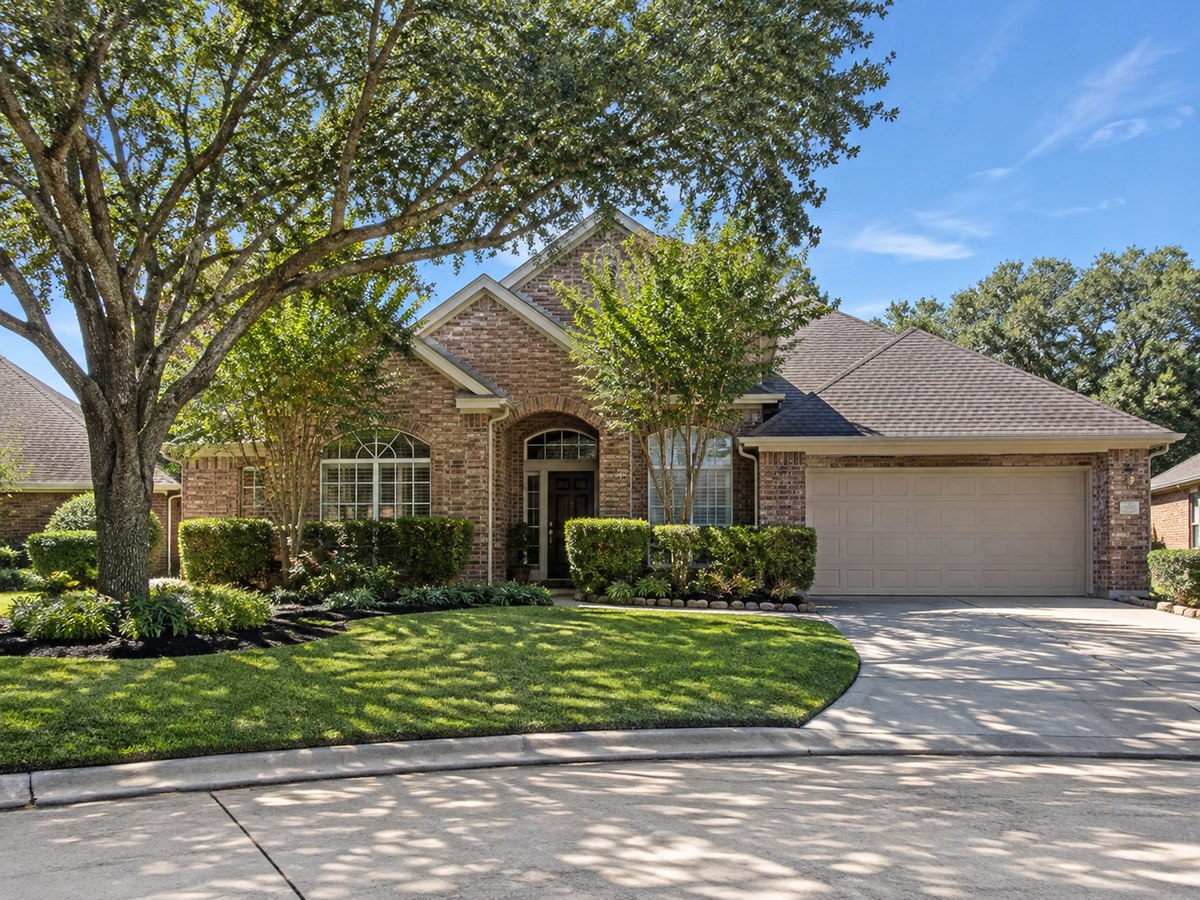
A maintained rental building illustrating Sugar Land rental property insurance considerations
Describe the actual structure and leased units. Property imagery is illustrative, not a specific listing.

Keep the rental arrangement and the maintenance records current

An attached-unit owner reviewing association responsibilities and insured improvements

Attached units and association responsibilities

For an attached unit, request the relevant master-policy information and ownership documents. Identify finishes, fixtures, common roofs and areas assigned to the owner. Maintenance responsibility alone does not establish an insured-property boundary.

Keep Sugar Land rental property insurance aligned with occupancy and ownership changes. Report the current arrangement before assuming the original terms remain appropriate.

A rental supplied with furniture or kept partly for personal use needs those details disclosed. Keep the owner inventory separate from tenant belongings and ask how the proposed limits and valuation apply.

If the owner changes managers or lease types, update the current arrangement. Short stays, room agreements and a household lease should not be treated as identical uses just because the association permits them.


An owner and contractor documenting completed repairs between tenants

Inspection records through a change of tenants

Obtain relevant association and management records before assuming another party handles a roof or exterior issue. Maintenance duties and insurance provisions can differ, so identify the owner’s actual responsibilities.

Document work to finishes, fixtures and supplied appliances during turnover. Keep the completed scope distinct from planned improvements and unresolved damage. An association approval is not an insurer’s acceptance.

If the unit becomes empty or changes to furnished use, update the current description. Keep any separate flood and building documents accessible so questions can be directed to the applicable contract.

Read the vacant rental-property guide →

Review roof and major-system information with the repair schedule. Inspection requirements, settlement conditions and maintenance obligations are separate questions; meeting one does not establish automatic coverage for all damage.

Review rising water independently of the building policy

Sugar Land provides floodplain-management information and address-mapping resources. They help an owner investigate the specific property; they do not establish that drainage or flood-control infrastructure eliminates every flood exposure.

Treat surface flooding, wind-driven rain, backed-up drains and accidental plumbing discharge as separate causes. Ask which contract and option address each concern. A single storm can create different damage mechanisms and different deductible questions.

Compare private-market wind terms and roof settlement with any separate flood proposal. Fort Bend County should not be treated as one of TDI’s designated coastal counties merely because tropical weather can reach it. Verify eligibility from the actual location.

An owner reviewing ground drainage and exterior condition at a suburban rental
Illustrative property review; the photograph does not document a particular weather loss.

Use an official address resource

The local flood, drainage or weather resource can help organize questions about the premises. Check the specific site and available records; do not infer an individual property’s risk or eligibility from a citywide description. Mapping and prevention information do not replace the wording of a proposed insurance contract.

Compare the terms that affect a covered loss

Separate the building from owner-owned items

List furnishings, appliances and maintenance equipment kept for the rental. Ask which limit addresses those items and which structures are insured separately. The dwelling amount should not be treated as proof that everything on the lot is covered.

Keep an inventory and photographs with your records, and update them when the owner replaces or adds property. Tenant belongings are generally a separate matter. Compare the actual described property and valuation rather than relying on one total on a declarations page.

Allow room for acquisition and renewal questions

Provide the closing or renewal date early, along with lender requirements and available inspection records. An urgent deadline does not establish that a market can accept the building or that pending repairs can be ignored.

Confirm approval, agreed terms, binding instructions, effective dates and any required payment. A form submission or preliminary premium is not a policy. Where a separate contract is needed, verify its own timing instead of assuming every part takes effect together.

Landlord insurance for Sugar Land rentals: review your options

Collect the current declarations, building description and inspection findings. Identify every leased unit, separate structure and ownership interest on the submission.

Provide roof and major-system records with the loss history. Distinguish an open repair issue from completed work and tell the agency about vacancies, utilities or changed use.

Insurance Plus helps owners review Sugar Land landlord insurance for eligible residential rentals. Insurance Plus has served Texas since 1997 and can explain available proposals and required information.

Same-day markets are available for eligible rentals, subject to underwriting approval and binding requirements. A form requests a review; it does not issue a policy. Confirm approval, agreed terms, effective dates and required payment before relying on coverage.

A property owner comparing building records and proposed coverage with an agency representative
Organized building, occupancy and ownership records support a clearer proposal comparison.

Association documents and a separate flood review

Imagine an owner receives association information during purchase but no clear description of its insured buildings. Obtain the actual relevant policy information before relying on a common-roof assumption. Ask which portions remain the unit owner’s concern.

Review the owner’s building interest, appliances and any eligible rent interruption with the agency. If flood protection is considered separately, compare the insured property rather than assuming the building description carries over automatically.

Keep effective dates, deductibles and ownership names aligned across proposals. A combined premium total is useful for budgeting, but it does not merge distinct contracts into one identical set of terms.

Nearby cities and communities

We also help rental-property owners in these nearby communities.

StaffordService area
Missouri CityService area
RichmondService area
Meadows PlaceService area
GreatwoodService area
New TerritoryService area

Questions before choosing coverage

Does Fort Bend hurricane exposure establish TWIA eligibility?

No. Fort Bend County is not one of the designated coastal counties. Review the specific address and private-market wind options rather than applying a nearby county’s rule.

Can maintenance responsibility and insured property differ?

Yes. Review the actual relevant documents and policy information. A duty to maintain an item or an association fee alone does not establish which contract insures the structure, fixtures or liability.

How should separately leased rooms be described?

Explain the household, room-lease arrangements, furnishings and any owner-occupied portion. Bedrooms and insured units are not interchangeable counts. Accurate current use is needed for market review.

Does an old homeowners description still fit after leasing the house?

Owner occupancy and tenant use are different arrangements. Tell the agency before a conversion so the appropriate program can be reviewed. A prior policy or declarations page is not evidence that a changed use has been accepted.

What should I prepare when asking for assistance?

Call 214-351-4097 with the property’s current use, unit count and coverage questions. Keep the current declarations page and recent roof or repair records available for review.

Is same-day coverage available for every application?

Same-day markets are available for eligible rentals, subject to underwriting approval and binding requirements. A quote request does not itself issue coverage. Confirm agreed terms, effective dates and any required payment before relying on a policy.

Review the rental you own

Call 214-351-4097 or choose the appropriate quote form.

Quote · 1–4 unitsQuote · 5+ units