

Independent agency · Serving Texas since 1997214-351-4097
Insurance Plus
Central Texas rental-property owners

Temple Landlord Rental Property Insurance

Compare Temple landlord insurance quotes for the building and occupancy you have today. A furnished temporary rental and a conventional duplex need different descriptions of use, contents and turnover. Insurance Plus can review available options using the actual property and ownership records.

An owner reviewing Temple landlord insurance with a property manager outside a rental home

Payment & billing options

Methods and installment plans vary by carrier. A quote request does not take payment or bind coverage.

Temple rental property insurance for the building you own

A duplex and a furnished house used for temporary stays need different occupancy explanations. Identify the actual agreement and services provided rather than choosing a conventional annual-rental description for every property.

For Temple rental property insurance, provide the building’s year, size, construction and actual unit arrangement. List ownership and mortgage interests rather than carrying forward a prior owner’s assumptions.

For a Central Texas owner with both an older building and a newer acquisition, keep roof, construction and major-system records by address. Unit counts and shared areas also need to match the actual layout.

Use an appropriate reconstruction estimate for building limits. The purchase price and loan balance are different measures. Identify detached structures, owner-owned appliances and furnishings so their limits can be considered separately.

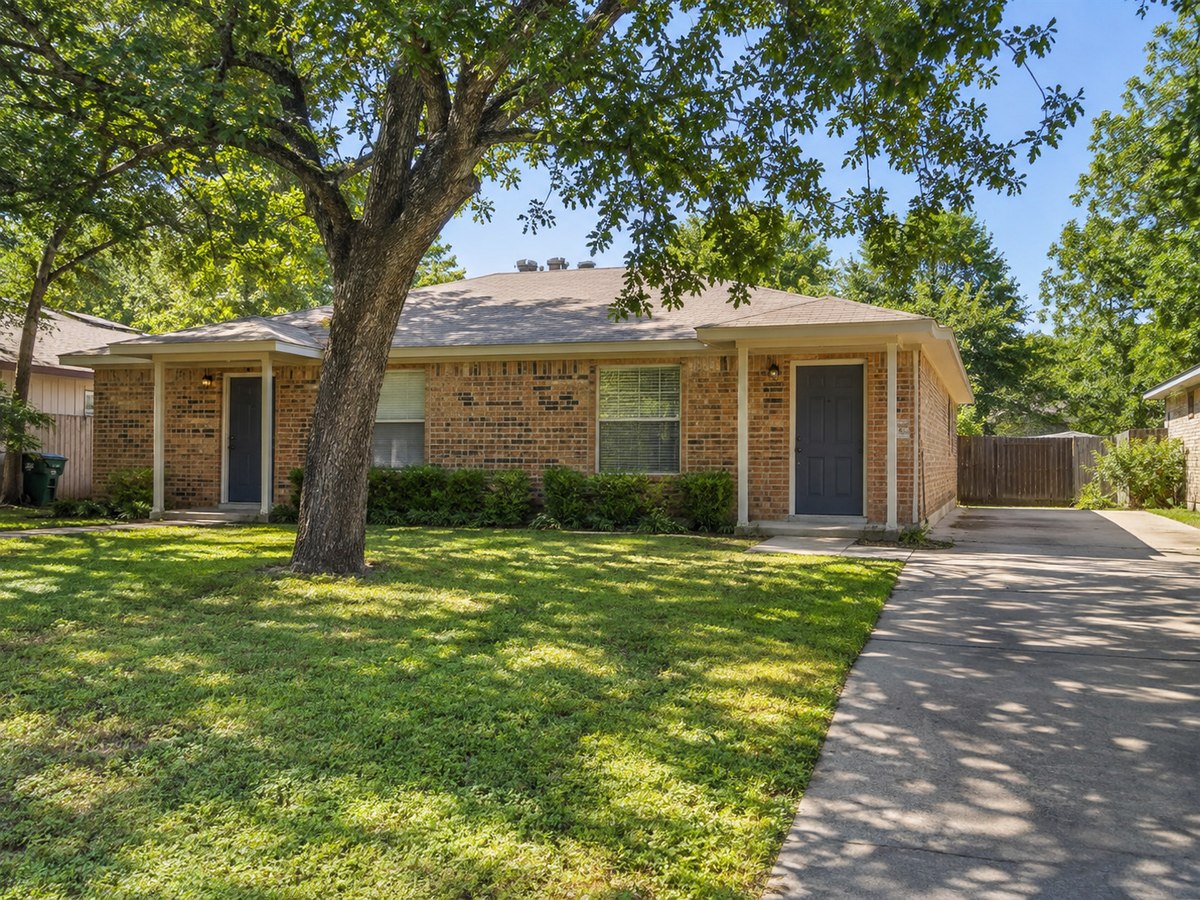
A maintained rental building illustrating Temple rental property insurance considerations
Describe the actual structure and leased units. Property imagery is illustrative, not a specific listing.

Read roof terms before accepting the price

Use the state floodplain-administrator directory to identify the appropriate local office for the property’s jurisdiction. Address-specific questions can require local mapping or records; a city mailing address alone does not settle them.

On a duplex, explain whether one roof covers both households and identify any additions or detached structures. Obtain the actual installation date and repair scope. Two rental doors do not automatically create two separate roof limits or deductibles.

Read hail and wind terms with the proposed roof settlement. Ask how depreciation, schedules and percentage deductibles apply. Review flood and backup separately from roof rain entry or a plumbing discharge; ordinary maintenance remains the owner’s responsibility.

A property owner reviewing a shared duplex roof and separate building records
Illustrative property review; the photograph does not document a particular weather loss.

Use an official address resource

The local flood, drainage or weather resource can help organize questions about the premises. Check the specific site and available records; do not infer an individual property’s risk or eligibility from a citywide description. Mapping and prevention information do not replace the wording of a proposed insurance contract.

Keep the rental arrangement and the maintenance records current

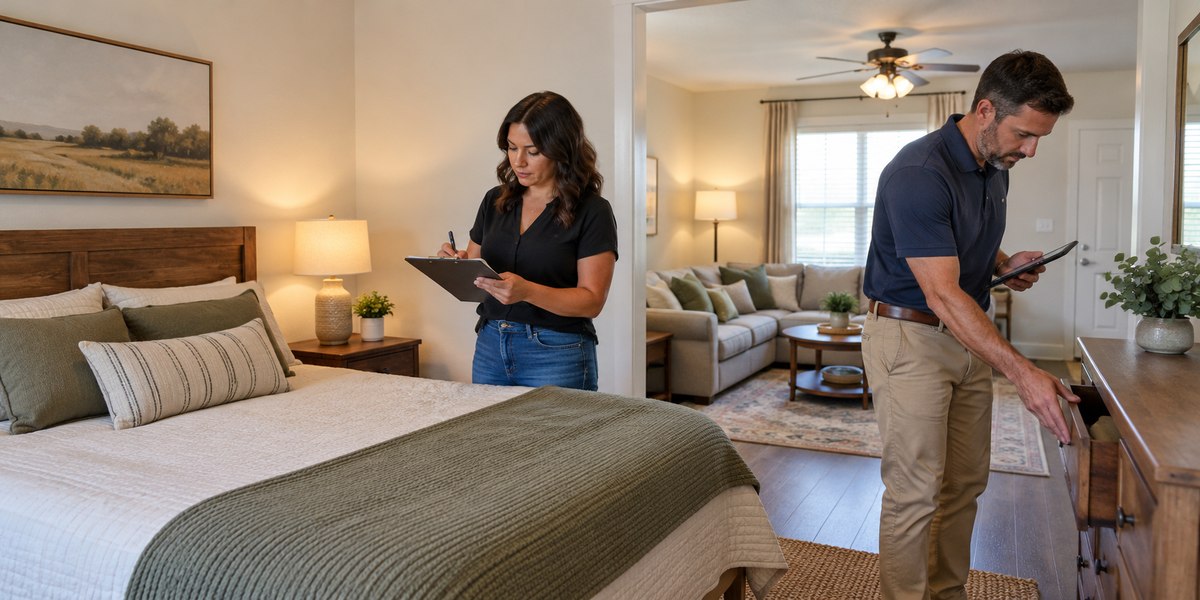
An owner documenting furnished rooms and the expected occupancy schedule

Furnishings and changing stay lengths

A furnished house serving temporary occupants should be described with typical stay lengths and the actual lease or booking arrangement. A connection to a local employer or medical visit is not an insurance category by itself.

Keep Temple rental property insurance aligned with occupancy and ownership changes. Report the current arrangement before assuming the original terms remain appropriate.

Clarify whether one household occupies the entire premises or individuals hold separate agreements. List owner-owned appliances, furniture and equipment, and identify any part used or stored in by the owner.

If stays leave gaps, explain who checks the building and maintains utilities. Disclose substantial work between occupants. A scheduled arrival does not by itself establish that an otherwise vacant building is accepted on occupied-house terms.
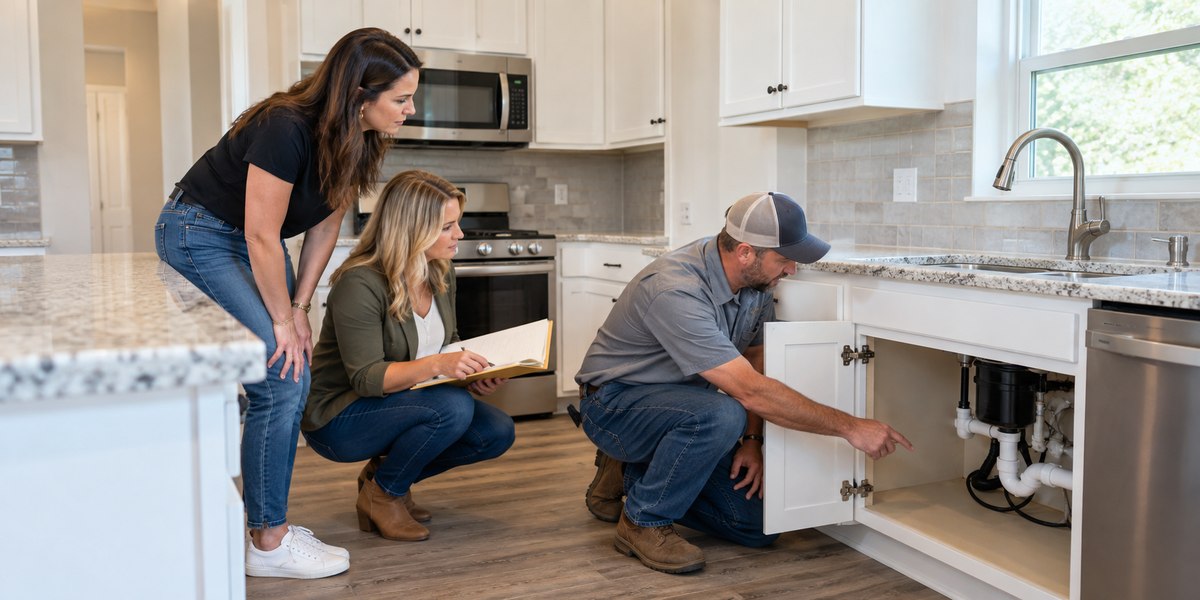

An owner and contractor documenting completed repairs between tenants

Vacancy and work between leases

In a furnished rental, keep a dated inventory and condition photographs at each change of occupants. Separate the owner’s furniture and appliances from resident belongings and from the structure’s repair record.

A postponed arrival can leave the house empty longer than expected. Report utilities and any work still continuing rather than treating the next reservation as present occupancy.

For a duplex, document which work affects the shared structure and which affects one unit. Supply the current tenant status and unresolved findings instead of assuming both sides are identical.

Read the vacant rental-property guide →

Ask whether ordinance-or-law protection is relevant when comparing covered repair terms. A planned remodel, code upgrade or vacant period should not be assumed insured merely because the building has a dwelling limit.

Review the insured interests behind the premium

Keep different water concerns separate

Flood, plumbing discharge, drain backup and rain entry can be governed by different provisions. Describe the concern and ask how the proposed wording treats it. A single water-related limit is not a reason to assume that every kind of water damage is insured.

Compare separate flood protection where appropriate, including the property insured and effective date. Ask which available endorsements address other relevant concerns. A building’s location and maintenance history support the discussion but do not guarantee a claim outcome.

Connect rent protection to covered damage

Eligible loss-of-rents coverage generally concerns income interrupted when covered property damage makes the rental unusable. It is different from an ordinary missed payment, eviction or the usual search for a new tenant.

Compare the triggering cause, dollar limit and covered repair period. Keep leases and rent records available. If building, wind and flood protection are split, identify which contract supplies any income benefit; a limit under one policy does not establish it under another.

Landlord insurance for Temple rentals: review your options

Prepare the address, year built, square footage, construction type, stories and unit count. Add roof dates, completed updates and the requested effective date.

Include prior losses, cancellations, nonrenewals, gaps and unresolved damage. Use actual records rather than guessing. A proposed effective date is not proof that outstanding conditions have been satisfied.

Insurance Plus helps owners review Temple landlord insurance for eligible residential rentals. Insurance Plus has served Texas since 1997 and can explain available proposals and required information.

Same-day markets are available for eligible rentals, subject to underwriting approval and binding requirements. A form requests a review; it does not issue a policy. Confirm approval, agreed terms, effective dates and required payment before relying on coverage.

A property owner comparing building records and proposed coverage with an agency representative
Organized building, occupancy and ownership records support a clearer proposal comparison.

A furnished house between temporary occupants

Suppose the next arrival is postponed while a bathroom repair continues. Tell the agency about the current vacancy, work and utilities rather than describing only the intended guest. The existing proposal may need review against those facts.

Keep a dated inventory and completed-repair record with the occupancy information. Explain which furniture and appliances belong to the owner. A tenant’s or guest’s belongings are a different insured interest.

Ask for available terms suited to the actual use, then confirm approval and effective dates. A form selection organizes the quote review; it does not issue coverage or guarantee acceptance of temporary occupancy.

Nearby cities and communities

We also help rental-property owners in these nearby communities.

BeltonService area
Morgan’s Point ResortService area
TroyService area
Little River-AcademyService area
NolanvilleService area
RogersService area

Questions before choosing coverage

Does a medical or employer connection establish the rental type?

No. Explain actual occupants, stay lengths, agreements and services. The reason for a temporary stay does not by itself identify insurer eligibility or the appropriate program.

Can one occupied duplex unit describe the whole building?

Provide the status of both sides. An empty unit under repair and an occupied unit can raise different questions even when they share a roof, ownership and mortgage.

Can several properties share one identical set of assumptions?

Each address needs accurate building, roof, ownership and occupancy information. Properties may be reviewed together while needing different forms or carriers. Keep the schedule current when an acquisition, sale or vacancy changes the account.

Can a quote be reviewed before an acquisition closes?

Provide the closing date, ownership, lender requirements and available inspection records early. Allow time for outstanding questions or repairs. A closing deadline does not guarantee acceptance or immediate binding.

What should I prepare when asking for assistance?

Call 214-351-4097 with the property’s current use, unit count and coverage questions. Keep the current declarations page and recent roof or repair records available for review.

Is same-day coverage available for every application?

Same-day markets are available for eligible rentals, subject to underwriting approval and binding requirements. A quote request does not itself issue coverage. Confirm agreed terms, effective dates and any required payment before relying on a policy.

Review the rental you own

Call 214-351-4097 or choose the appropriate quote form.

Quote · 1–4 unitsQuote · 5+ units