Independent agency · Serving Texas since 1997214-351-4097
Insurance Plus
inland Coastal Bend rental-property owners

Victoria Landlord Rental Property Insurance

Compare Victoria landlord insurance quotes with an inland Coastal Bend storm review, accurate roof records and current occupancy. Hurricane exposure and designated coastal eligibility are different questions. Insurance Plus helps owners compare available private-market terms and separate flood considerations.

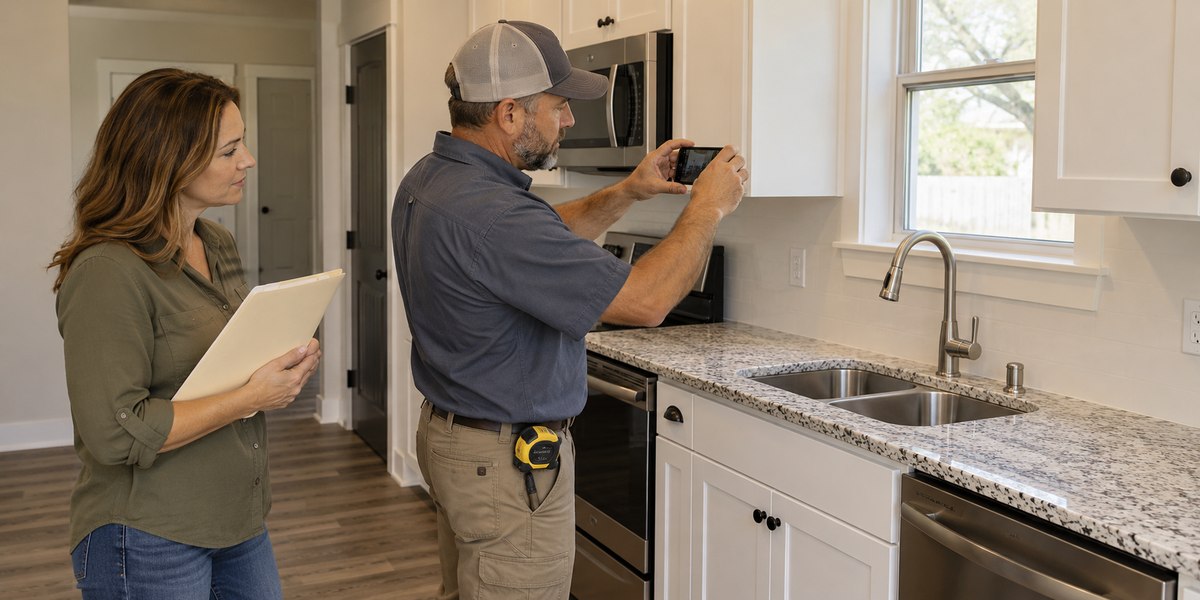
An owner reviewing Victoria landlord insurance with a property manager outside a rental home

Payment & billing options

Methods and installment plans vary by carrier. A quote request does not take payment or bind coverage.

Separate windstorm and flood before selecting a premium

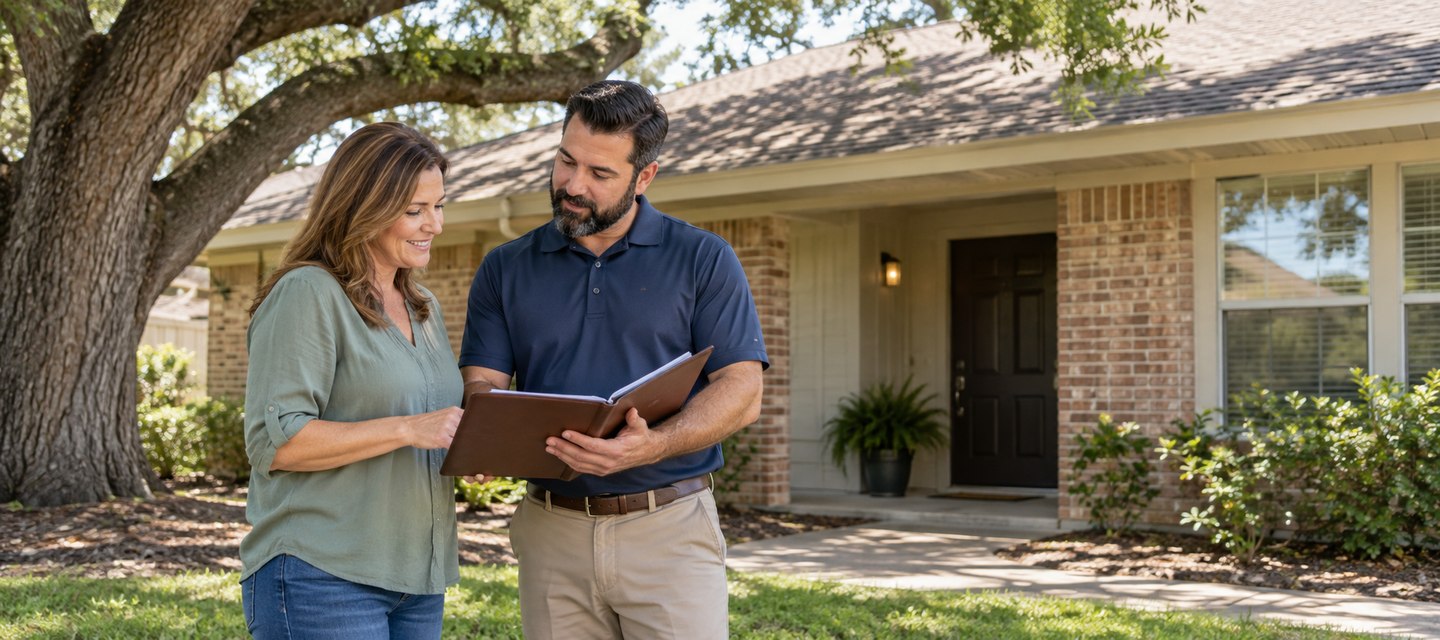
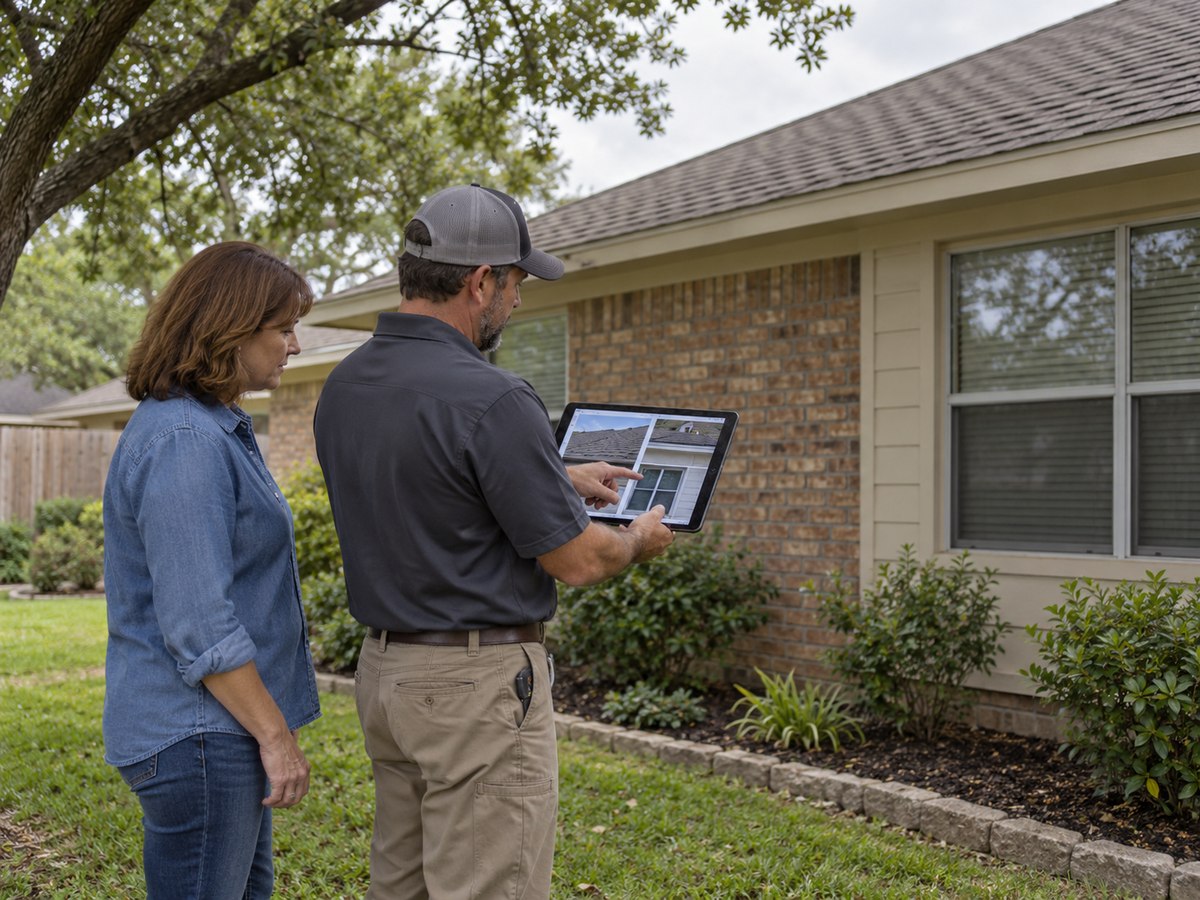
An inland rental owner reviewing tropical-wind roof and exterior-opening questions

Wind, roof records and storm deductibles

Victoria County is not among TDI’s fourteen designated coastal counties. Hurricane exposure alone does not establish TWIA eligibility. Review the actual address and available private-market wind arrangements instead of importing a rule from nearby coastal counties.

Read any wind/hail, named-storm or hurricane deductible with the roof settlement provisions. Ask about the calculation basis, depreciation, schedules and rain-entry conditions. The owner’s possible share of a covered loss can differ substantially between proposals.

The city provides floodplain-management resources for the local address. Consider rising water separately from wind damage, wind-driven rain, plumbing discharge or backup. A tropical system can create more than one damage mechanism, each requiring the applicable contract wording.

Ask whether a percentage deductible uses the insured building value and how it applies to multiple structures. A share of insured value is different from a share of the repair bill.

Review wind-driven rain terms separately from the roof and flood discussions. Rain without a new opening, storm-surge water and plumbing discharge should not be assumed covered by the same provision.

Review windstorm options →
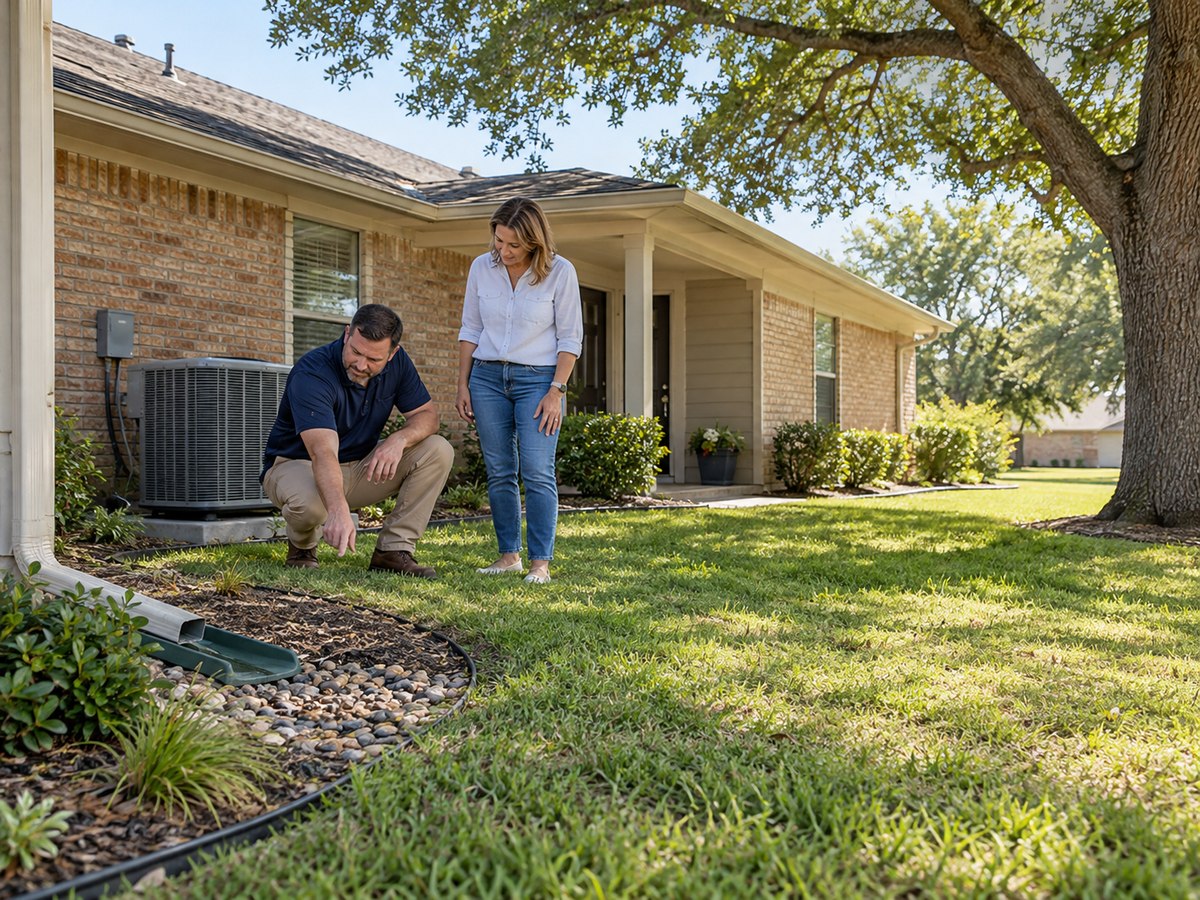
A rental owner reviewing exterior drainage and ground-level equipment placement

Rising water and separate flood terms

Review separate flood protection for rising water and storm-surge exposure. A windstorm policy is not a substitute for that review. Compare limits, deductibles, covered property and any waiting period rather than assuming the building and flood contracts are interchangeable.

Consider available mapping with the actual elevation, drainage and property history. A mapped boundary cannot establish the conditions at every building or guarantee that a property will not flood. Use official resources to ask informed questions about the address.

Wind-driven rain, rain entering a new roof opening, plumbing leaks and backup can be treated differently. Ask what the proposed forms actually cover and whether relevant endorsements are available. Do not treat a broad description of storm protection as a covered-cause guarantee.

If protection is split among contracts, identify which one includes eligible rental income and which event must make the rental unusable. An income limit under one policy does not establish the same benefit after a cause excluded by that contract.

Review flood protection →

Location, construction records and storm-season timing

Victoria County is not one of the fourteen designated coastal counties. Review private-market wind options for the actual address; inland hurricane exposure does not by itself establish TWIA eligibility or a windstorm-certificate requirement.

For repairs, gather the relevant local permit, inspection and completed-work records. Do not describe these as a required TWIA certification when no such placement has been established. Give the agency accurate roof and construction facts for the available private-market review.

Review coverage before storm-season deadlines. Insurer restrictions can affect binding; applicable TWIA moratorium rules also matter where that placement is available. A quote, payment request or closing date does not override restrictions. Verify each contract’s effective date and any flood waiting period.

TDI windstorm location guidance →

Victoria rental property insurance for the building you own

An inland Coastal Bend rental still needs a tropical-wind and flood discussion. A property in Victoria County should not automatically receive the same TWIA eligibility description as one in a designated coastal county.

For Victoria rental property insurance, provide the building’s year, size, construction and actual unit arrangement. List ownership and mortgage interests rather than carrying forward a prior owner’s assumptions.

An older house under repair, a long-term household rental and a furnished temporary arrangement need separate current descriptions. Roof dates, systems and remaining work should follow the actual building rather than a regional assumption.

Keep the property description current through a purchase, repair or tenant change. Ask which inspection records and completed-work evidence the proposed market needs; an application should describe the premises as they stand today.

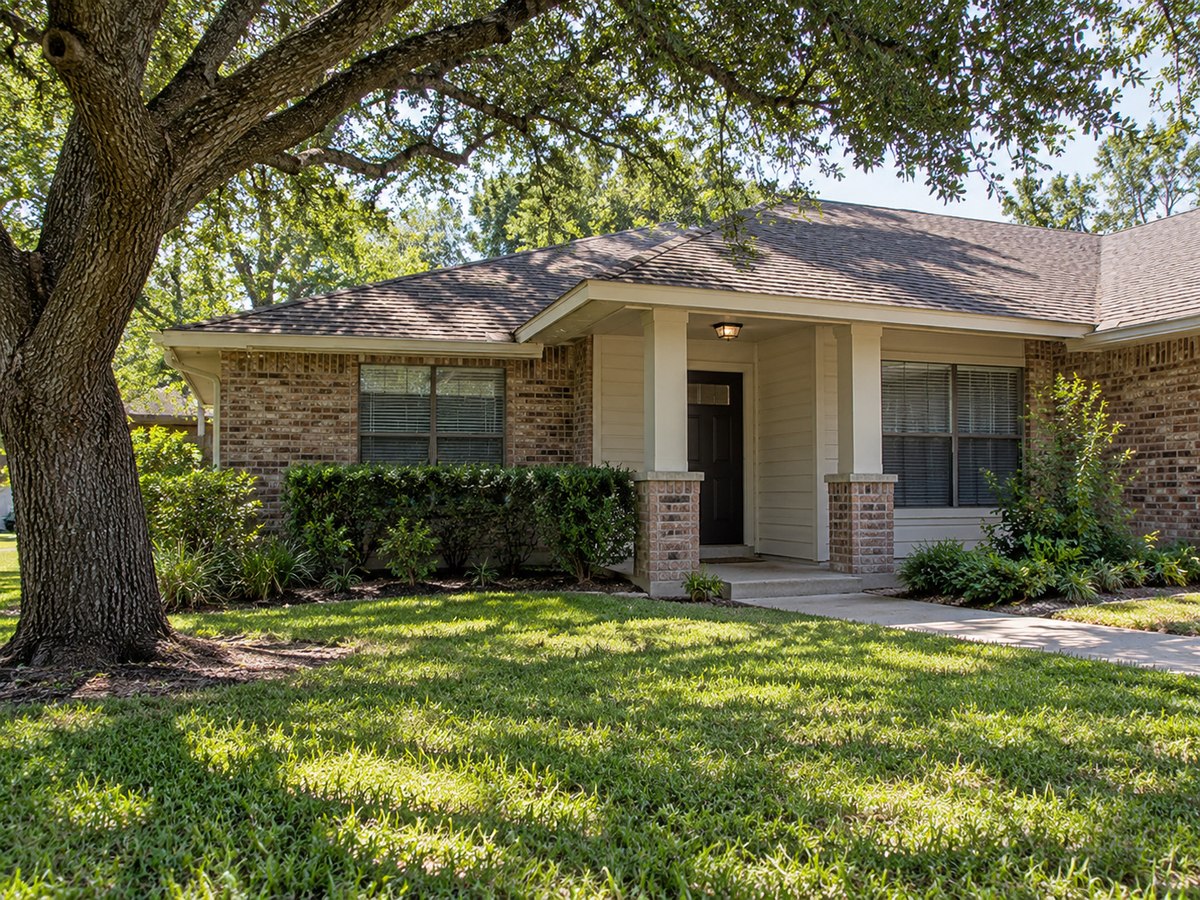
A maintained rental building illustrating Victoria rental property insurance considerations
Describe the actual structure and leased units. Property imagery is illustrative, not a specific listing.

Keep the rental arrangement and the maintenance records current

An owner reviewing completed renovations and the present occupancy of a rental

Updates, ownership and reliable condition records

For an older rental being updated, explain completed work and unresolved conditions. A new lease date does not establish that roof, electrical or plumbing recommendations have all been satisfied. Keep dated records rather than an undifferentiated renovated description.

Keep Victoria rental property insurance aligned with occupancy and ownership changes. Report the current arrangement before assuming the original terms remain appropriate.

If repairs leave the premises empty, disclose the vacancy, utility status and work schedule. A contract intended for an occupied household should not be assumed suitable through substantial renovation.

If wind or flood protection is separate, ask how any eligible rental-income interruption follows a covered cause. Ordinary nonpayment, a vacant interval and a repair after covered damage are different situations.

An owner and contractor documenting completed repairs between tenants

Separate completed repairs from pending work

For an older house, separate invoices for completed roof or system work from unresolved inspection items. A renovated description should explain what changed and what remains, not imply every component is new.

Report the present vacancy, utilities and contractor access if work delays leasing. A future tenant or expected finish date does not establish acceptance of a building under substantial repair.

After tropical weather, retain safe documentation and temporary-repair receipts and report the facts. Ask which covered cause and contract apply rather than assuming every storm-related interruption or cost is insured.

Read the vacant rental-property guide →

When comparing proposals, ask about any required inspections or repairs and whether relevant ordinance-or-law protection is available. Confirm outstanding items before relying on the proposed effective date.

Owner protection beyond the dwelling limit

Connect rent protection to covered damage

Eligible loss-of-rents coverage generally concerns income interrupted when covered property damage makes the rental unusable. It is different from an ordinary missed payment, eviction or the usual search for a new tenant.

Compare the triggering cause, dollar limit and covered repair period. Keep leases and rent records available. If building, wind and flood protection are split, identify which contract supplies any income benefit; a limit under one policy does not establish it under another.

Separate the building from owner-owned items

List furnishings, appliances and maintenance equipment kept for the rental. Ask which limit addresses those items and which structures are insured separately. The dwelling amount should not be treated as proof that everything on the lot is covered.

Keep an inventory and photographs with your records, and update them when the owner replaces or adds property. Tenant belongings are generally a separate matter. Compare the actual described property and valuation rather than relying on one total on a declarations page.

Landlord insurance for Victoria rentals: review your options

Have building size, construction, roof material, update dates and current occupancy ready. Supply the address and ownership before comparing proposed limits.

Explain prior wind, water, fire or liability losses and the repairs completed afterward. Disclose a lapse or nonrenewal so the agency can review the current situation accurately.

Insurance Plus helps owners review Victoria landlord insurance for eligible residential rentals. Insurance Plus has served Texas since 1997 and can explain available proposals and required information.

Same-day markets are available for eligible rentals, subject to underwriting approval and binding requirements. A form requests a review; it does not issue a policy. Confirm approval, agreed terms, effective dates and required payment before relying on coverage.

A property owner comparing building records and proposed coverage with an agency representative
Organized building, occupancy and ownership records support a clearer proposal comparison.

Inland hurricane exposure without a coastal eligibility assumption

Consider two owners discussing rentals in different counties after the same tropical forecast. Their exposure to wind does not establish identical eligibility, inspection requirements or policy choices. Begin with the actual addresses and current market terms.

For the inland property, compare private-market wind inclusion and roof treatment with any separate flood option. Avoid labeling a general construction inspection as a required TWIA certificate when that placement has not been established.

Plan review before severe weather threatens. Insurer binding restrictions and separate-contract dates can matter; a submitted application, requested effective date or payment request does not itself confirm active protection.

Nearby cities and communities

We also help rental-property owners in these nearby communities.

BloomingtonService area
InezService area
TelfernerService area
PlacedoService area
NurseryService area
CueroService area

Questions before choosing coverage

Is Victoria County a designated coastal windstorm county?

It is not among TDI’s fourteen designated coastal counties. Hurricane exposure does not by itself establish TWIA eligibility. Review the actual address and available private-market wind terms.

Should every inland roof repair obtain a TWIA certificate?

Do not assume that requirement. Establish the actual location, work and placement first. Relevant local construction records and windstorm certification for an eligible placement are different matters.

Do records of repairs guarantee an offered policy?

No. Invoices, photographs and inspections help describe the current building, but eligibility, available forms and terms depend on underwriting. Explain remaining issues separately from work that has been completed.

Which quote form is appropriate for more units?

Use the residential form for one to four units and the apartment form for five or more. Include a building schedule, current occupancy and ownership details when the submission contains several structures or locations.

What should I prepare when asking for assistance?

Call 214-351-4097 with the property’s current use, unit count and coverage questions. Keep the current declarations page and recent roof or repair records available for review.

Is same-day coverage available for every application?

Same-day markets are available for eligible rentals, subject to underwriting approval and binding requirements. A quote request does not itself issue coverage. Confirm agreed terms, effective dates and any required payment before relying on a policy.

Review the rental you own

Call 214-351-4097 or choose the appropriate quote form.

Quote · 1–4 unitsQuote · 5+ units