
Independent agency · Serving Texas since 1997214-351-4097
Insurance Plus
Central Texas rental-property owners

Waco Landlord Rental Property Insurance

Review Waco landlord insurance quotes with the household agreements, shared spaces and building condition clearly described. A student house and an apartment account may need different submissions. Insurance Plus helps owners compare available terms while keeping routine turnover separate from covered rent interruption.

An owner reviewing Waco landlord insurance with a property manager outside a rental home

Payment & billing options

Methods and installment plans vary by carrier. A quote request does not take payment or bind coverage.

Keep the rental arrangement and the maintenance records current

An owner planning household leases and summer occupancy for a student rental

Student households and room-lease arrangements

For owners serving the Baylor community, for a student house, explain whether there is one household agreement or separate room leases. Identify common kitchens, entrances, furnishings and owner use. Baylor-related context does not imply an affiliation, endorsement or a particular insurer’s acceptance.

Keep Waco rental property insurance aligned with occupancy and ownership changes. Report the current arrangement before assuming the original terms remain appropriate.

Set out the expected occupancy between academic terms and who maintains utilities. A house can remain leased while physically empty, and a planned short turnover can lengthen when work is delayed. Report the actual facts.

Ask residents to consider their own belongings and personal liability. Keep the owner’s appliances and furnishings on a separate inventory and review the relevant limits rather than relying on a resident’s policy.
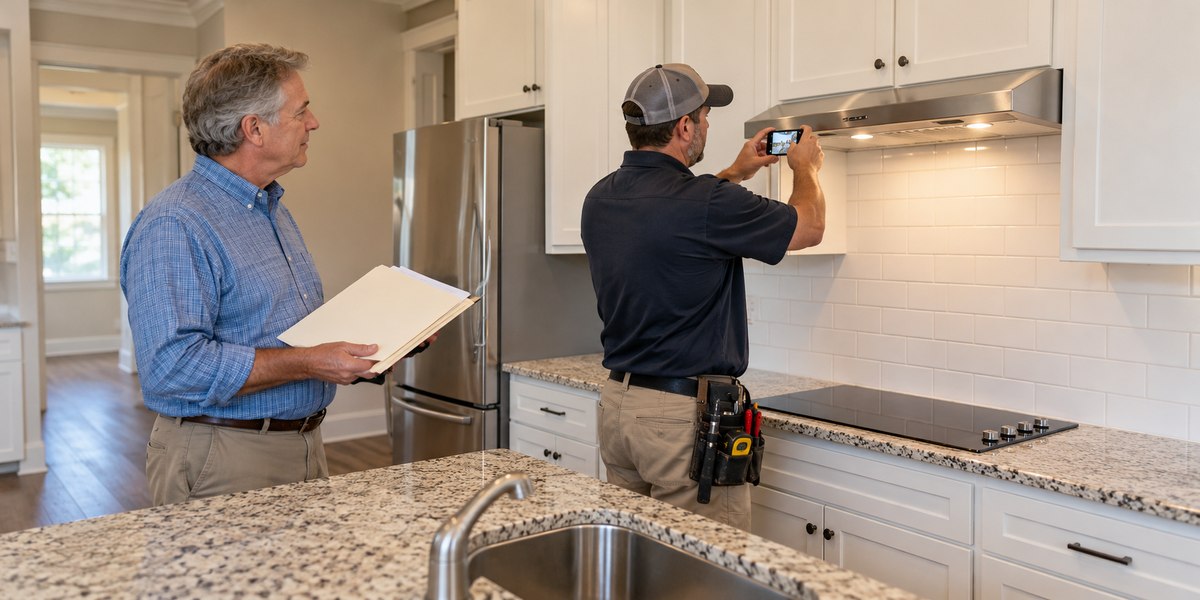
An owner and contractor documenting completed repairs between tenants

Vacancy and work between leases

Plan the condition record around each house’s actual summer occupancy. One property can remain leased while another is empty for work; keep both statuses visible in the account schedule.

Photograph completed repairs and retain outstanding recommendations separately. A signed lease for the next term does not prove the building is ready or that every required repair has been accepted.

If utilities change or work takes longer, update the agency with the current facts. Keep the owner inventory of appliances and furnishings distinct from student belongings and the structure’s limit.

Read the vacant rental-property guide →

Ask whether ordinance-or-law protection is relevant when comparing covered repair terms. A planned remodel, code upgrade or vacant period should not be assumed insured merely because the building has a dwelling limit.

Waco rental property insurance for the building you own

A house serving Baylor students, an ordinary household rental and a larger apartment property require distinct occupancy information. Explain leases, shared facilities and actual unit arrangements rather than treating every bedroom as a separate apartment.

For Waco rental property insurance, provide the building’s year, size, construction and actual unit arrangement. List ownership and mortgage interests rather than carrying forward a prior owner’s assumptions.

For an established house with additions, combine the current layout with roof and system records. An owner retaining a room or a detached garage should describe that use before comparing building and liability proposals.

Use an appropriate reconstruction estimate for building limits. The purchase price and loan balance are different measures. Identify detached structures, owner-owned appliances and furnishings so their limits can be considered separately.

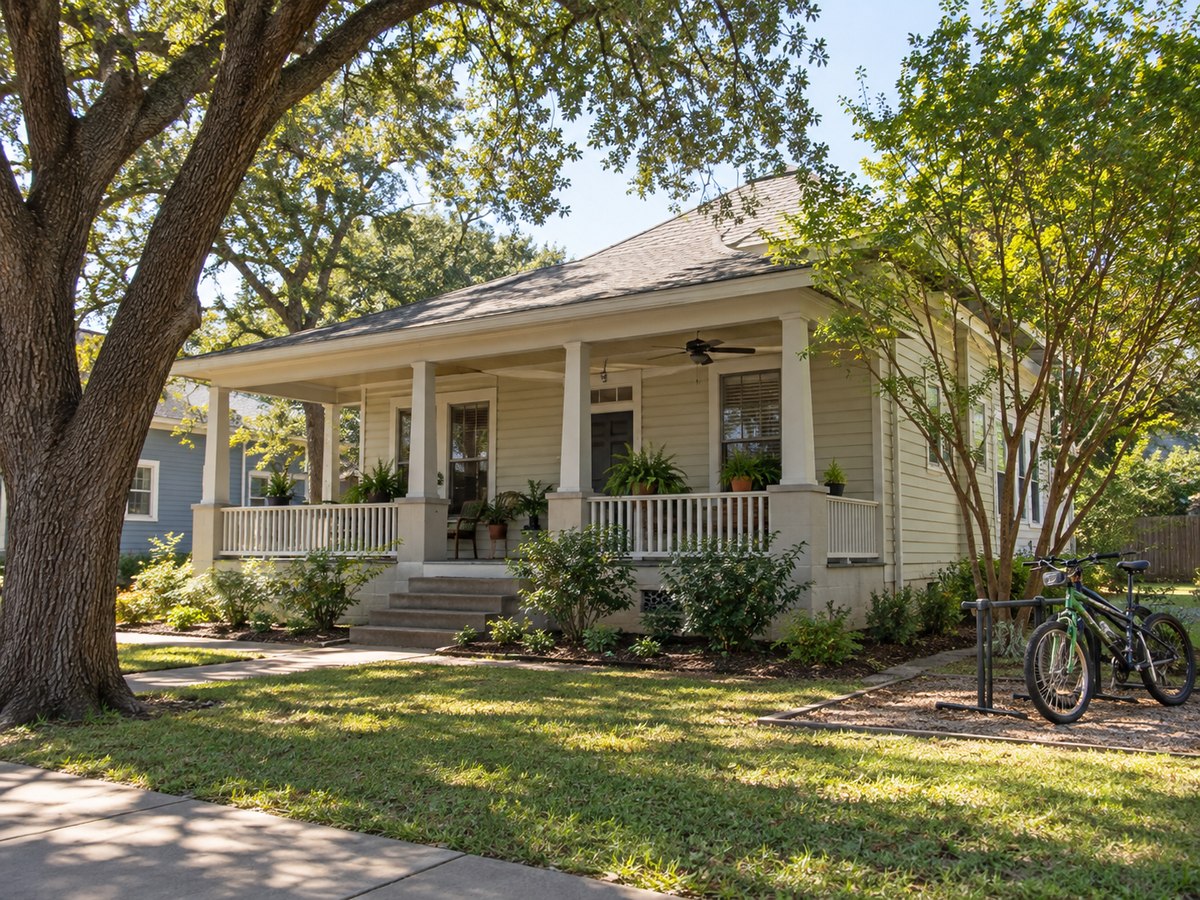
A maintained rental building illustrating Waco rental property insurance considerations
Describe the actual structure and leased units. Property imagery is illustrative, not a specific listing.

Review rising water independently of the building policy

Waco’s watershed engineering resources include a floodplain viewer and development information. Investigate the actual address and drainage rather than using proximity to the Brazos or a neighborhood description as a blanket coverage conclusion.

A roof and a site review should remain separate. Document installation, materials and repairs while considering where runoff can enter low openings. A public drainage improvement or a dry summer does not establish that separate flood protection is unnecessary.

Compare wind/hail deductibles and roof valuation independently of plumbing and backup options. Surface flooding generally needs a separate review. Ask which covered cause and settlement terms apply instead of assuming that all water damage is treated alike.

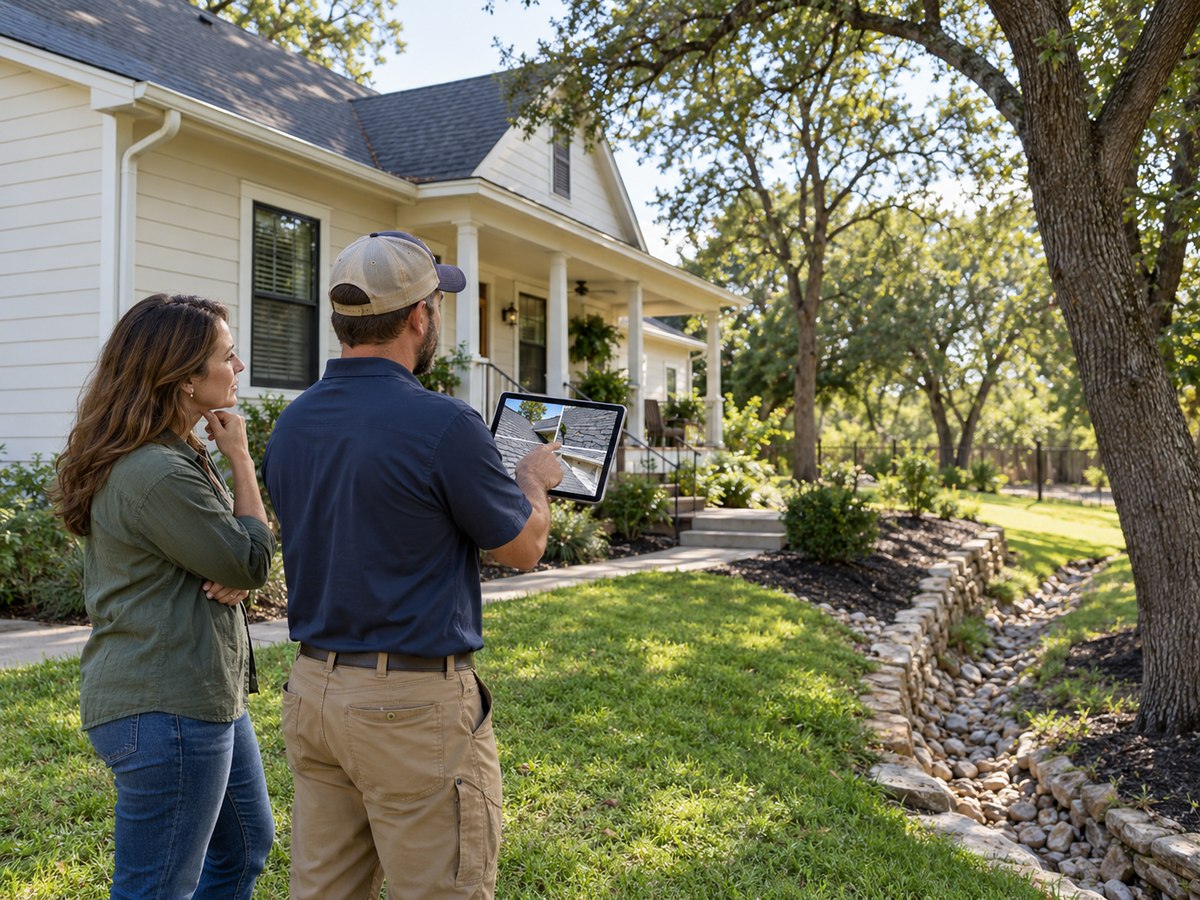
An owner checking site drainage and roof records for an older Central Texas rental
Illustrative property review; the photograph does not document a particular weather loss.

Use an official address resource

The local flood, drainage or weather resource can help organize questions about the premises. Check the specific site and available records; do not infer an individual property’s risk or eligibility from a citywide description. Mapping and prevention information do not replace the wording of a proposed insurance contract.

Larger buildings need a location and unit schedule

A shared house and an apartment property should not be submitted from the same assumptions. Identify the actual buildings, stories, unit counts and management arrangements, including any separate structures on the premises.

Use the apartment form for five or more units. Gather construction, roof dates, occupancy and rental-income information for each building. Explain common walkways, stairs and other areas for premises liability review.

Check insured ownership entities, mortgages and the responsibilities assigned to a manager. A management contract does not establish automatic insured status. Describe each party’s interest so the proposed terms can be reviewed accurately.

Compare building limits, deductibles and any eligible income benefit across the schedule. An account can be considered together without every location qualifying for the same contract or carrier.

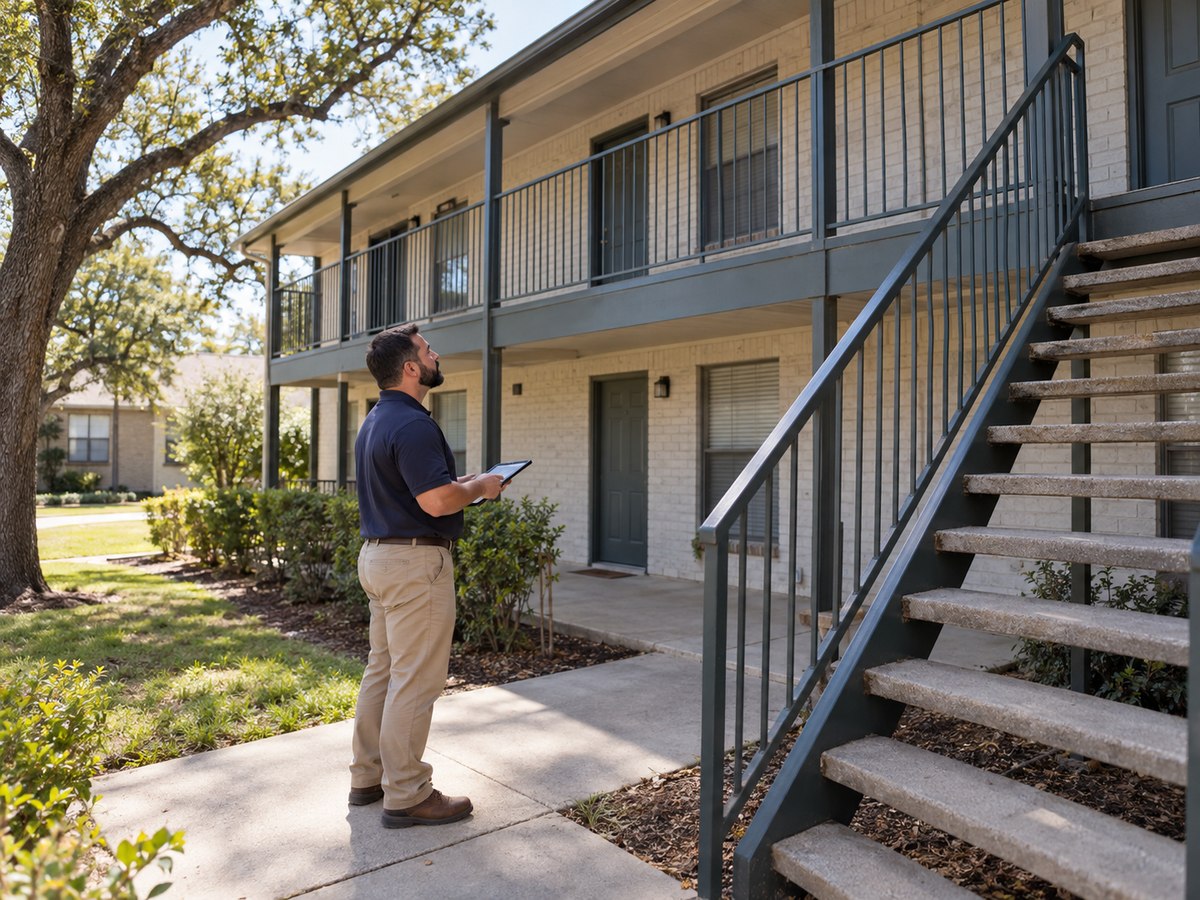
A property manager checking shared access and maintenance at a small apartment building
Shared access and separate buildings deserve accurate descriptions in a multifamily submission.

Review the insured interests behind the premium

Identify the premises and insured owner

Review the owner name, entity and premises liability limit. Describe features such as shared stairs, parking areas, a pool or a separately occupied structure. A management agreement does not itself establish which parties the insurance treats as insureds.

Keep maintenance responsibilities and tenant reporting clear. An owner policy and a tenant policy address different interests, and neither replaces routine care. Compare the actual liability terms and exclusions rather than assuming every injury or dispute is protected.

Allow room for acquisition and renewal questions

Provide the closing or renewal date early, along with lender requirements and available inspection records. An urgent deadline does not establish that a market can accept the building or that pending repairs can be ignored.

Confirm approval, agreed terms, binding instructions, effective dates and any required payment. A form submission or preliminary premium is not a policy. Where a separate contract is needed, verify its own timing instead of assuming every part takes effect together.

Landlord insurance for Waco rentals: review your options

Prepare the address, year built, square footage, construction type, stories and unit count. Add roof dates, completed updates and the requested effective date.

Include prior losses, cancellations, nonrenewals, gaps and unresolved damage. Use actual records rather than guessing. A proposed effective date is not proof that outstanding conditions have been satisfied.

Insurance Plus helps owners review Waco landlord insurance for eligible residential rentals. Insurance Plus has served Texas since 1997 and can explain available proposals and required information.

Same-day markets are available for eligible rentals, subject to underwriting approval and binding requirements. A form requests a review; it does not issue a policy. Confirm approval, agreed terms, effective dates and required payment before relying on coverage.

A property owner comparing building records and proposed coverage with an agency representative
Organized building, occupancy and ownership records support a clearer proposal comparison.

A summer repair period across several student rentals

Imagine an owner with two houses: one remains occupied while the other is empty for work. Keep the building schedule and present occupancy accurate for both. A portfolio description should not hide the different conditions.

Document which repairs have ended and which continue before the next lease. Include utility status and inspection access, and do not infer completion from an expected move-in date. Ask which available arrangement fits the empty property.

Review the rent schedule separately from eligible income protection. Routine summer gaps, an unpaid lease and an interruption after covered damage are not the same insured event. Compare the actual causes, limits and repair-period conditions.

Nearby cities and communities

We also help rental-property owners in these nearby communities.

WoodwayService area
HewittService area
BellmeadService area
Lacy LakeviewService area
RobinsonService area
LorenaService area

Questions before choosing coverage

Does a summer gap automatically qualify for lost rent?

No. Ordinary turnover and nonpayment are different from eligible income interruption after covered property damage. Review the covered cause, limits and repair-period conditions in the contract.

Can every student bedroom be counted as an apartment unit?

No. Describe kitchens, entrances, common facilities and actual agreements. A shared house can differ from a building of separate apartments even with a similar number of bedrooms.

Which quote form is appropriate for more units?

Use the residential form for one to four units and the apartment form for five or more. Include a building schedule, current occupancy and ownership details when the submission contains several structures or locations.

What should I report before major repairs?

Explain current damage, vacant units, utilities, structural work, contractor access and expected completion. A proposal for an ordinarily occupied house should not be assumed suitable for an empty building under substantial renovation.

What should I prepare when asking for assistance?

Call 214-351-4097 with the property’s current use, unit count and coverage questions. Keep the current declarations page and recent roof or repair records available for review.

Is same-day coverage available for every application?

Same-day markets are available for eligible rentals, subject to underwriting approval and binding requirements. A quote request does not itself issue coverage. Confirm agreed terms, effective dates and any required payment before relying on a policy.

Review the rental you own

Call 214-351-4097 or choose the appropriate quote form.

Quote · 1–4 unitsQuote · 5+ units