Dwelling Coverage
May help repair or rebuild the main home after a loss, subject to the policy limit, deductible, covered cause of loss, exclusions, and claim conditions.

For a newly completed house, reconcile the builder specification sheet with installed finishes, roof material, and attached features. Record any upgrades completed after closing before comparing limits.

Major credit cards and EFT/ACH may be accepted depending on provider eligibility, down payment rules, billing plan, and policy type.
A rebuilding estimate should reflect the materials and features present, not just the sale price.
A lender may ask for proof before closing; also review custom finishes and rebuilding estimates when checking whether the selected terms fit the property. A Fulshear home may need protection for the dwelling, detached structures, personal property, liability, medical payments, and temporary living expenses after a loss. The limits, deductibles, roof provisions, water limitations, and optional endorsements can matter just as much as the price.
For a residence with upgraded finishes, concentrate on the description behind the rebuilding estimate. Identify roof construction, interior materials, attached features, and separate improvements. Explain any work completed after purchase. The review should distinguish the physical building from the price paid for its location or land, while addressing occupancy, deductible choices, and any conditions attached to the proposed terms.

For a Fulshear quote, describe upgraded interior finishes and attached improvements in practical detail.
Get a QuoteLocal agency support • Property coverage options
Your home's policy can include several coverage parts. Availability, limits, deductibles, endorsements, roof terms, and eligibility rules vary by property and provider. We help homeowners in Fulshear Texas review the major pieces so you get the right coverage for your needs.
May help repair or rebuild the main home after a loss, subject to the policy limit, deductible, covered cause of loss, exclusions, and claim conditions.
May help cover furniture, clothing, electronics, appliances, and other belongings damaged or stolen after a covered event, depending on policy terms.
May help respond to certain covered liability claims involving bodily injury or property damage to others, including defense costs where covered.
May apply to detached garages, fences, sheds, and similar structures on the residence premises, subject to the policy form and selected limit.
May help with additional living expenses if a covered loss makes the home temporarily unlivable and the policy conditions are satisfied.
Wind and hail deductibles, water backup, jewelry limits, equipment breakdown, roof settlement, and other details should be reviewed before choosing coverage.
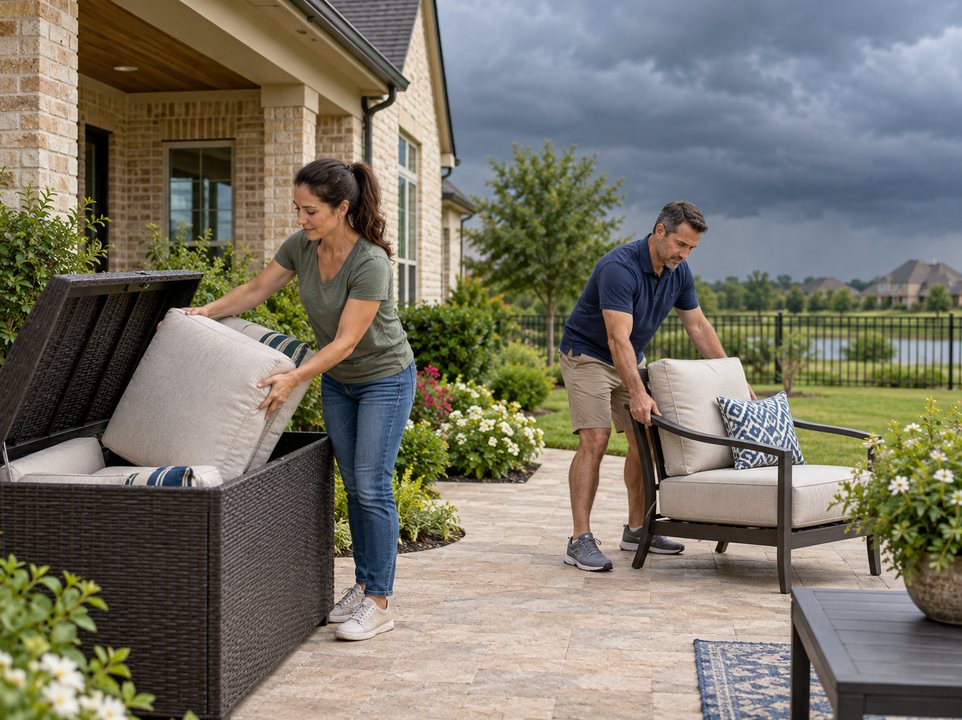
Fulshear is one of the fastest-growing communities in Texas, with extensive newer construction and master-planned residential development. Many homes have larger floor plans, upgraded finishes, outdoor living features, pools, extensive fencing, and other improvements that can materially affect replacement cost. Roof age, wind and hail exposure, drainage, plumbing losses, and deductible structure should still be reviewed carefully even on relatively new homes. Flood coverage is generally separate from a standard homeowners policy.
Housing in and around Fulshear ranges from established residences to recently completed homes in large master-planned communities and expanding Fort Bend County developments. Construction year, roof material, builder upgrades, interior finishes, detached structures, pools, solar equipment, and later additions should be reported accurately so the dwelling limit reflects the actual residence rather than a generic neighborhood estimate.
Provide the details that distinguish the residence from a standard floor plan. Record living area, construction, roof materials, significant finishes, and added features. Identify detached improvements independently. Explain whether a recent valuation reflects the building alone or also includes land, because the application and reconstruction discussion need an accurate account of the property being submitted.
When an estimate appears inconsistent with the residence, supply the information needed to examine it. Plans, measurements, photographs, and records of improvements can help describe the building more clearly. Identify expensive materials or added features without assuming a purchase appraisal establishes the correct insured amount. Review any revised proposal and note conditions that remain outstanding before treating the requested change as accepted.
A Fulshear home may sell for one amount, appraise for another, and require a different amount to reconstruct after a covered loss. Sale price can reflect land, school districts, neighborhood demand, and local market activity, while reconstruction depends more on demolition, debris removal, labor, materials, permits, construction methods, and the residence's actual features. Those differences are one reason the dwelling amount should not be based on market value alone.
In a developing subdivision, confirm the final address, occupancy date, and whether landscaping or exterior improvements remain unfinished. Explain those details rather than treating every new home alike. Confirm the specific details with the provider before relying on a coverage assumption.
The correct policy path depends on occupancy and property type. A home you live in, a condo, a manufactured home, a vacant house, and a rental property may all need different underwriting and coverage treatment.
A standard homeowners review usually begins with whether the house is owner occupied, regularly lived in, and used primarily as a residence.
Condo owners may need coverage for interior property, personal belongings, liability, loss assessment, and gaps in the association master policy.
Manufactured homes may require specialized review based on age, tie-downs, location, construction type, and provider eligibility guidelines.
A vacant home or home under renovation may not fit a normal home policy and should be reviewed before assuming coverage applies.
Homes with prior claims, aging roofs, older systems, or unusual risk details may need a more focused high-risk home coverage review.
If the property is rented to tenants, visit our landlord insurance quote page instead of using an owner-occupied home quote path.
The agency can help identify differences that are easy to overlook in a premium comparison. Keep the proposed limits, deductible calculations, roof wording, and endorsements together. Ask for clarification of any unexplained restriction. A written proposal is more useful when the owner understands both the amounts shown and the conditions affecting how those amounts can be used.
For example, compare damage to an upgraded interior with a roof repair under the same proposal. The building amount is only part of the discussion: deductible triggers, depreciation, repair conditions, and exclusions can change the outcome. Use the actual wording to ask focused questions before purchase. Do not infer identical settlement for different components, or assume that a higher estimate removes every separate limitation affecting the residence.
Fulshear homeowners insurance should support your specific property and owner situation. A fast quote is helpful, but a clear quote is better when the details could affect claims, billing, mortgagee proof, or long-term satisfaction with the policy.
An owner requesting revised limits should allow time for valuation questions before the desired effective date. Provide available dimensions and improvement information, then review the response for accuracy. Identify any lender deadline separately. Confirm the accepted terms, required payment, and binding conditions before relying on replacement protection. A request to increase an amount does not establish when or whether the existing contract has been amended.
Depending on provider eligibility, billing options may include a down payment, installment plan, mortgage escrow billing, EFT, ACH, or major credit card payment. Accepted payment methods and billing rules vary by provider, so they should be confirmed as part of the quote review rather than assumed.
Homes in Cinco Ranch, Grand Lakes, Firethorne, Cane Island, Elyson, and older central Fulshear can differ substantially in construction year, development phase, roof condition, builder features, renovations, lot size, and outdoor amenities. One owner may be insuring an established residence with mature landscaping, while another may have a recently completed home with upgraded finishes, a covered patio, a pool, or improvements added after the original purchase. Those differences can affect rebuilding estimates, roof discussions, liability considerations, and the information needed during the quote review.
The review should reflect the property's current circumstances. Whether the request involves a purchase, renewal, refinance, replacement policy, lender requirement, or updated coverage review, information about occupancy, construction year, roof replacement history, builder upgrades, remodeling, prior claims, detached structures, and intended use helps determine the appropriate quote route before coverage is selected.

Reviewing important provisions before a loss gives the owner more time to understand how the policy is intended to respond. Wind or hail deductibles, roof settlement provisions, personal property sublimits, sewer or drain backup endorsements, additional living expense limits, and coverage for recently added improvements can all affect the outcome after a covered event.
Every policy contains limitations and exclusions. Flood, surface water, earth movement, repeated seepage, gradual deterioration, vacancy, business activity, intentional acts, and deferred maintenance are commonly treated differently from sudden covered losses. Reviewing those distinctions early can help identify whether separate flood protection, additional endorsements, or a different policy form should be considered.
Describe known drainage issues, previous water intrusion, and any completed corrective work. Ask which causes of water damage the proposal addresses. Ask for clarification before choosing among the available forms.
As an independent agency, Insurance Plus can help review available options instead of limiting the conversation to one company path.
Confirm the desired effective date, lender instructions, and any inspection requirements. A preliminary quote is not evidence that coverage has been issued.
We help separate homeowners, condo, mobile or manufactured home, vacant home, and landlord needs so the quote starts in the right place.
Common questions from Fulshear.
A homeowners policy may include coverage for the dwelling, other structures, personal property, liability, medical payments, and additional living expenses after a covered loss, subject to policy terms, deductibles, limits, and exclusions.
Roof age, roof material, visible condition, prior hail damage, and repair history may affect eligibility, pricing, deductible options, and available roof claim settlement terms.
Yes. Condo, mobile, and manufactured home insurance may require separate review because coverage forms, property responsibilities, building details, and underwriting guidelines can differ from a standard owner-occupied house.
Rates can vary based on location, home age, roof age, construction type, square footage, loss history, coverage limits, deductible choices, selected endorsements, and provider eligibility rules.
No. A home you occupy and a property rented to others often need different coverage. Rental homes and investment properties may require landlord insurance rather than a standard home policy.
Tell Insurance Plus about the property, desired effective date, lender needs, roof details, and coverage preferences. We can help review the available quote path.