
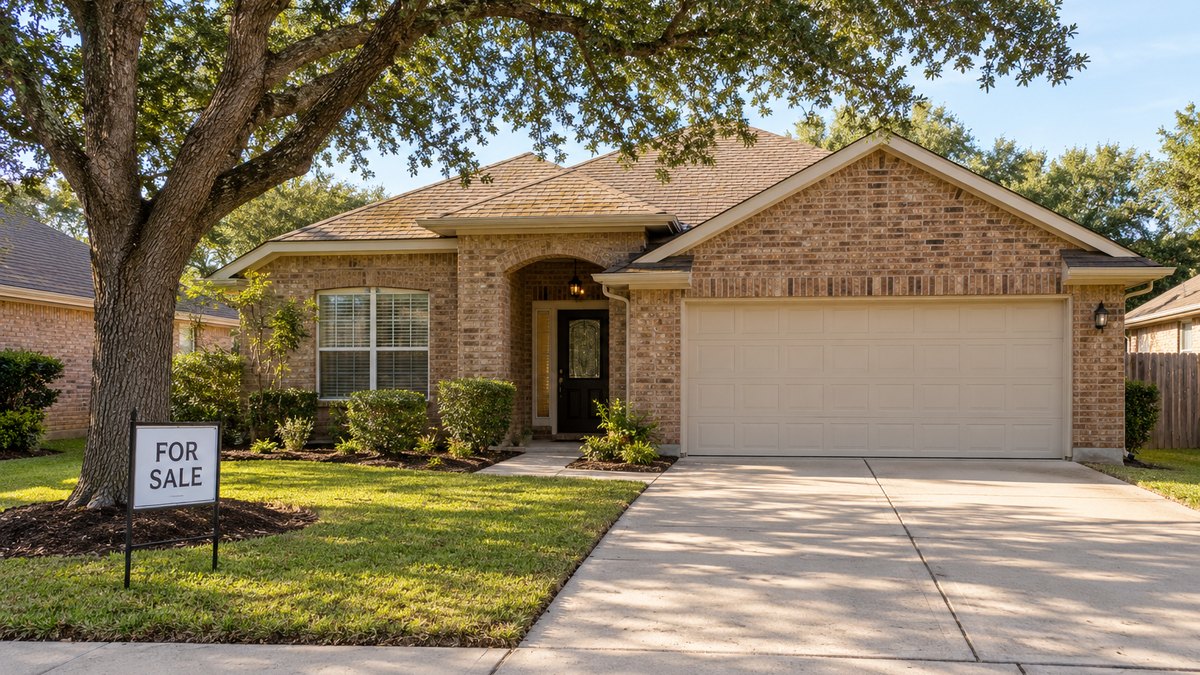
Why moving out matters even though you still own the house
Vacant home for sale insurance should reflect the property's actual use. Once daily occupancy stops, a leak, break-in, electrical problem or other loss can remain undiscovered longer. Listing a house for sale does not eliminate that change in exposure.
Vacant and unoccupied are not always the same thing
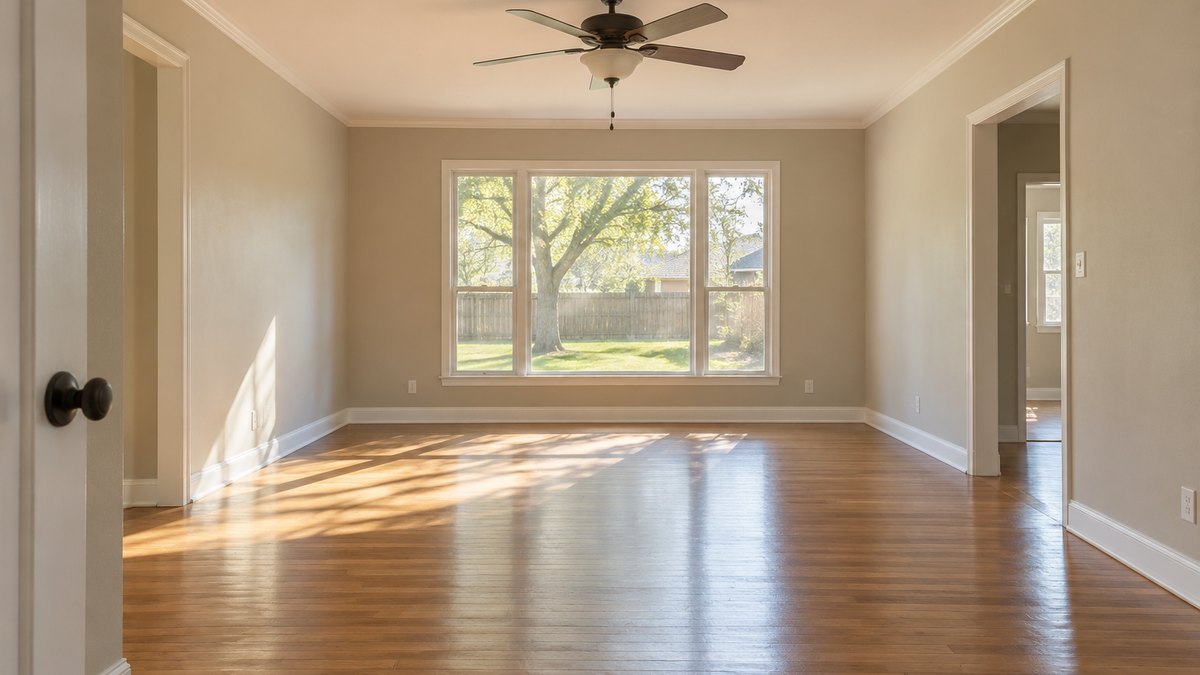
Everyday language is not enough to determine coverage. A home may remain furnished and ready for return, or it may be emptied and awaiting a buyer. Insurers and policy forms can define vacancy differently, so the actual facts and policy wording should be reviewed.
| Fact to provide | Why it helps |
|---|---|
| Date everyone moved out | Establishes the occupancy timeline. |
| Furniture and contents remaining | Describes the property's present state. |
| Utilities | Relevant to maintenance and loss prevention. |
| Frequency of property checks | Shows how an empty house is being monitored. |
| Listing status and expected sale date | Explains the reason and expected duration of vacancy. |
Vacant Home for Sale Insurance: Questions to Ask
Tell your agent when the last resident moved out, whether the house remains furnished, if utilities are on, whether anyone checks it regularly, and whether repairs or showings are underway. Ask how your present policy treats these facts and what vacant-home options may be available if the current coverage no longer fits. A listing or a signed contract alone does not establish the policy’s vacancy status.
Review coverage before a long vacancy develops
TDI specifically advises homeowners who expect to be away for an extended time to talk with their insurance company to make sure coverage continues. The exact effect of vacancy comes from the policy and insurer, not from a universal rule.
Keep insurance aligned through closing
A signed sales contract is not the same as a completed transfer of ownership. Coordinate any cancellation or replacement of coverage with the actual closing and the parties responsible for the property.
The useful facts are the move-out date, whether furnishings remain, utility status, how often someone checks the house and how long you expect it to remain unsold.
Has the house already become empty?
Tell us when you moved out, the property's current condition and the expected sale timeline so available vacant-home options can be reviewed.
Related Texas insurance guides and coverage
 Vacant home under renovation →
 Inherited house or probate →
 Texas vacant home insurance →
 Texas homeowners insurance →
 Selling a vacant rental dwelling →
Frequently asked questions
Can I keep homeowners insurance after I move out?
Possibly, but the policy should be reviewed because occupancy has changed. Vacancy provisions and insurer requirements can affect coverage.
Does listing a house for sale automatically make it vacant?
Not by itself. Actual occupancy and the policy's definition of vacancy matter.
How long can a house be vacant under homeowners insurance?
Policy terms vary. Texas Department of Insurance guidance says most companies stop some home coverage when a house has been vacant for 60 days or more, so ask your insurer how your policy handles vacancy.
When should I cancel insurance after a sale?
Coordinate the insurance change with the actual closing and transfer of ownership rather than the listing date or signed contract alone.
Primary references
These sources provide general Texas consumer or policy-form information. The terms of the policy actually issued control coverage.
Independent Texas insurance agency · 2626 Cole Ave #300, Dallas, TX 75204 · 214-351-4097
Last reviewed September 24, 2026.