
Vacant Home Under Renovation Insurance: What to Review
When reviewing insurance for a vacant home under renovation, consider losses that may remain undiscovered longer. Renovation can add contractors, tools, building materials, temporary openings and changes to electrical, plumbing, roofing or structural systems. The combination can change underwriting even when the property was previously insured as an ordinary residence.
“Under renovation” can describe very different properties
| Work underway | What to explain |
|---|---|
| Paint, flooring, fixtures and ordinary turnover work | Vacancy duration, condition and expected completion. |
| Kitchen, bath, plumbing or electrical work | Systems affected, contractor involvement and whether utilities remain operating. |
| Roof or major mechanical replacement | Current condition, weather protection and project timeline. |
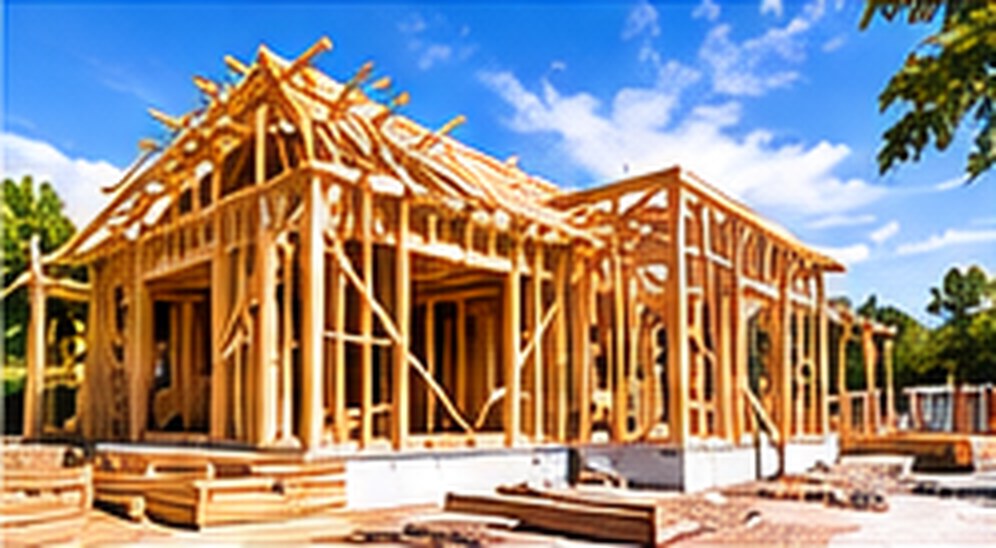
| Structural changes or major reconstruction | Full scope, project cost, completed value and whether construction-oriented coverage should be reviewed. |
Information to have ready
- Why the house is vacant and when vacancy began.
- Detailed scope and estimated cost of the work.
- Current condition and percentage of work completed.
- Contractor involvement and expected completion date.
- Utility, security and inspection arrangements.
- Planned use after renovation: owner occupancy, rental or sale.
Vacant-property coverage and builders risk are not interchangeable labels
A property can be vacant without being a construction project, and substantial construction can create issues beyond ordinary vacancy. When comparing insurance for a vacant home during renovation, describe the property and project accurately and compare the available forms against those facts.
Review the policy again when construction ends
Renovation is temporary. Once the work is complete, the property may become an owner-occupied home, a rental or a house held for sale. The insurance should be reviewed when that use changes.
When requesting a quote, avoid describing the project only as “renovation.” Tell us what is actually being done. New flooring and paint can present a very different underwriting picture from a house opened to the framing.
Need coverage during a construction project?
Provide the vacancy reason, current condition, work underway and desired effective date so the risk can be reviewed accurately.
Related Texas insurance guides and coverage
Frequently asked questions
Can a vacant home under renovation be insured?
Possibly. Eligibility and the appropriate policy depend on the property's condition, vacancy, scope of work, construction activity and provider underwriting.
Does every renovation require builders risk insurance?
No. Renovation projects vary widely. The appropriate coverage depends on the scope of construction, property condition and the forms available from the insurer.
What information should I provide for a quote?
Explain why the property is vacant, what work is being performed, the estimated project cost and completion date, contractor involvement, utilities, security and intended use after completion.
What happens to the policy after renovation?
Coverage should be reviewed again when the work ends because owner occupancy, tenant occupancy and a house held for sale can require different insurance approaches.
Primary references
- Texas Department of Insurance — Home insurance guide
- Texas Department of Insurance — vacancy information in the Home insurance guide
These sources provide general Texas consumer or policy-form information. The terms of the policy actually issued control coverage.
Independent Texas insurance agency · 2626 Cole Ave #300, Dallas, TX 75204 · 214-351-4097
Last reviewed October 6, 2026.