Dwelling
May help repair or rebuild the house after a covered loss, subject to the dwelling limit, deductible, conditions, and exclusions.

We help property owners with review protection for the dwelling, belongings, personal liability, detached structures, roof concerns, deductibles, water losses, and Lake Ray Hubbard area storm exposure.
Serving Texas since 1997 • Licensed independent insurance agency • Direct quote support
Major credit cards and EFT/ACH may be accepted depending on provider eligibility, down payment rules, billing plan, and policy type.
Payment plans, escrow handling, mortgagee billing, and automatic payment choices vary by provider.
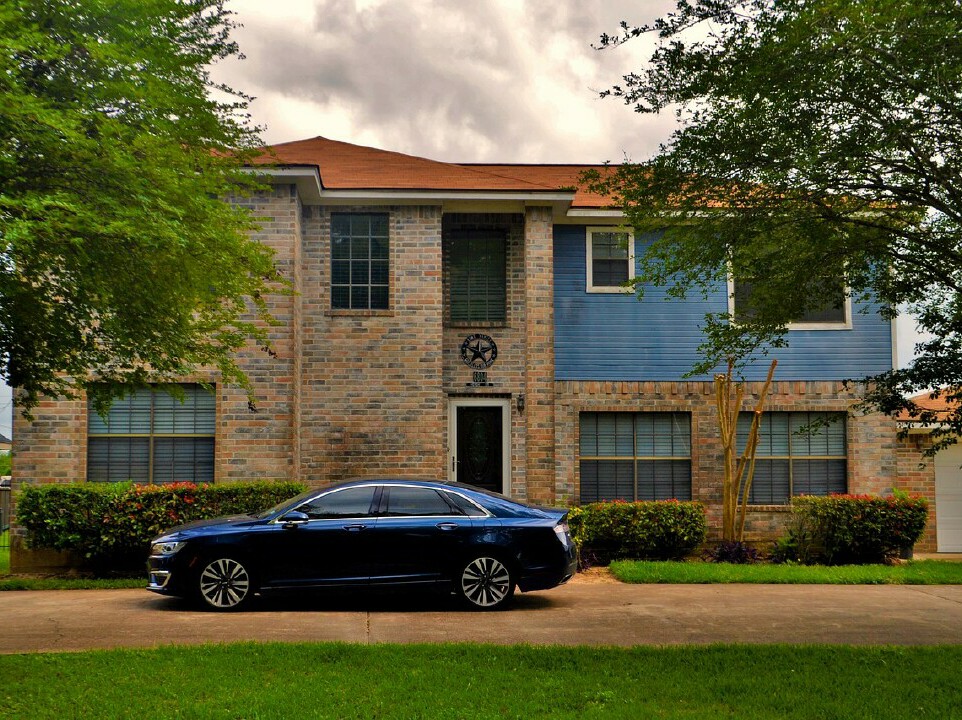
A residential policy should reflect the actual property, how it is occupied, what it may cost to rebuild, and the losses most likely to affect the location. Rowlett includes established neighborhoods, newer subdivisions, homes near major highways, and properties closer to Lake Ray Hubbard and local drainage corridors.
Share accurate details about the roof, updates, occupancy, claims, and requested limits. Insurance Plus can help identify a practical coverage route before you continue.
Request QuoteIndependent agency help • Secure online request • Texas support
Rowlett homeowners insurance can include several important protections, but forms, endorsements, limits, deductibles, and eligibility vary by provider and property.
May help repair or rebuild the house after a covered loss, subject to the dwelling limit, deductible, conditions, and exclusions.
May help cover furniture, clothing, appliances, electronics, and other belongings damaged by a covered cause of loss.
May help with covered claims involving bodily injury or property damage for which an insured is legally responsible.
May apply to detached garages, fences, sheds, workshops, and similar structures, depending on terms and limits.
May help with additional living expenses if a covered loss makes the residence temporarily uninhabitable.
Water backup, scheduled valuables, equipment breakdown, service line, and other options may be available when appropriate.

Rowlett sits within the Dallas–Fort Worth storm corridor, where severe thunderstorms, hail, straight-line wind, and occasional tornado activity can affect roofs, siding, fences, windows, and detached structures.
Roof age and condition can affect eligibility, pricing, deductible options, and claim settlement. Plumbing, electrical systems, foundation history, prior claims, and occupancy also influence which providers and forms may be realistic.
A quote may depend on the year built, square footage, roof age, construction type, foundation, heating, plumbing and electrical updates, claims history, occupancy, protection class, deductible choices, and requested limits.
Pools, trampolines, pets, fireplaces, solar panels, detached structures, home-business use, short-term rental activity, renovation history, and unrepaired damage may also affect underwriting. Accurate information produces a more useful comparison and reduces surprises later.
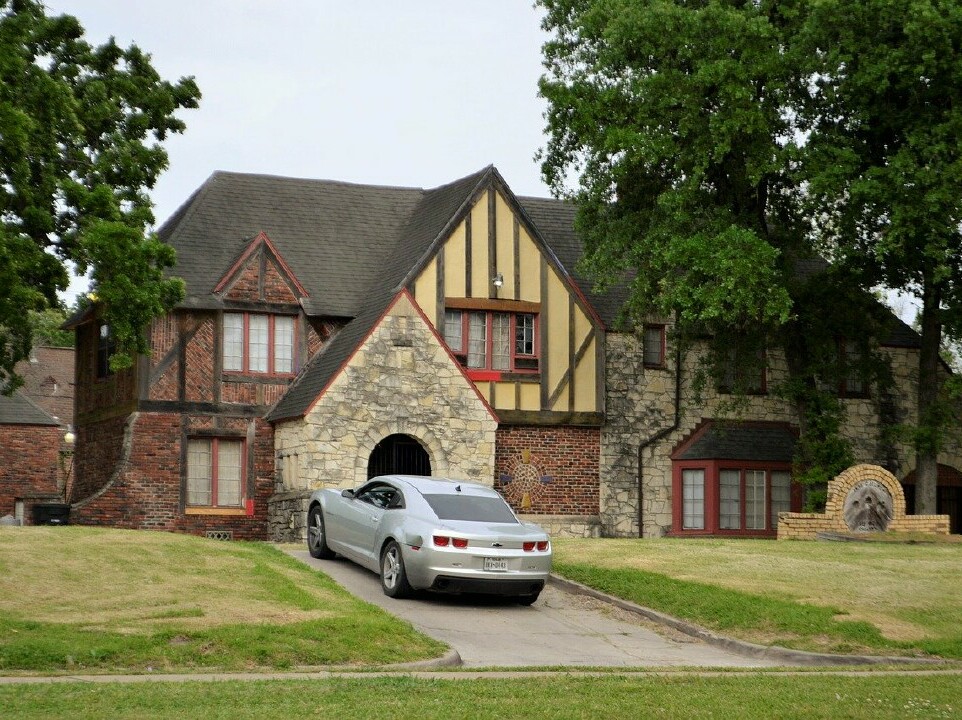
The correct form depends on structure, occupancy, condition, location, and use. A standard owner-occupied form is not the right answer for every residential risk.
A standard residential form may fit a primary or secondary residence occupied by the owner.
Request QuoteA tenant-occupied house or apartment building generally needs landlord or dwelling coverage.
Landlord CoverageReview broader Texas property types, coverage concepts, and specialty resources from the statewide hub.
Statewide Home CoverageMobile and manufactured homes may require specialized forms based on age, location, occupancy, and construction.
Manufactured HomeVacancy, major renovation, or extended unoccupancy may require a specialty form rather than standard protection.
Vacant PropertyOlder roofs, prior losses, unusual construction, deferred maintenance, or coastal exposure may require specialty placement.
High-Risk PropertyThe cost to rebuild a house is not the same as its purchase price, tax value, or expected sale price. Reconstruction can include demolition, debris removal, permits, contractor demand, labor, materials, code requirements, and access limitations.
Rowlett spans portions of eastern Dallas County and western Rockwall County, and rebuilding costs can vary by neighborhood, construction style, square footage, and finish level. Additions, custom interiors, detached structures, and major improvements should be included in the review.
The lowest premium is not always the lowest total risk. A percentage wind or hail deductible may produce a much larger out-of-pocket expense than a fixed deductible. Roof protection may also be settled differently depending on age, material, endorsement, and form.
Before choosing among homeowners insurance options, review the deductibles, roof provisions, water limitations, replacement-cost conditions, and endorsements—not only the annual price.
These authority resources address situations that may need separate protection, additional underwriting, or a specialized market.
Wind, hail, TWIA, coastal eligibility, WPI certificates, and separate windstorm considerations.
Review WindstormOlder roofs, prior claims, condition concerns, unusual construction, and difficult underwriting.
Review Specialty OptionsEducational information for property owners exploring the Texas FAIR Plan and available alternatives.
Visit FAIR ResourcesConsiderations for temporarily vacant, inherited, for-sale, or renovating houses.
Review VacancySpecialty-market information for unusual, higher-value, complex, or surplus-lines property risks.
Review Lloyd'sStandard residential forms generally do not cover flood or rising surface water, so separate protection may be needed.
Review Flood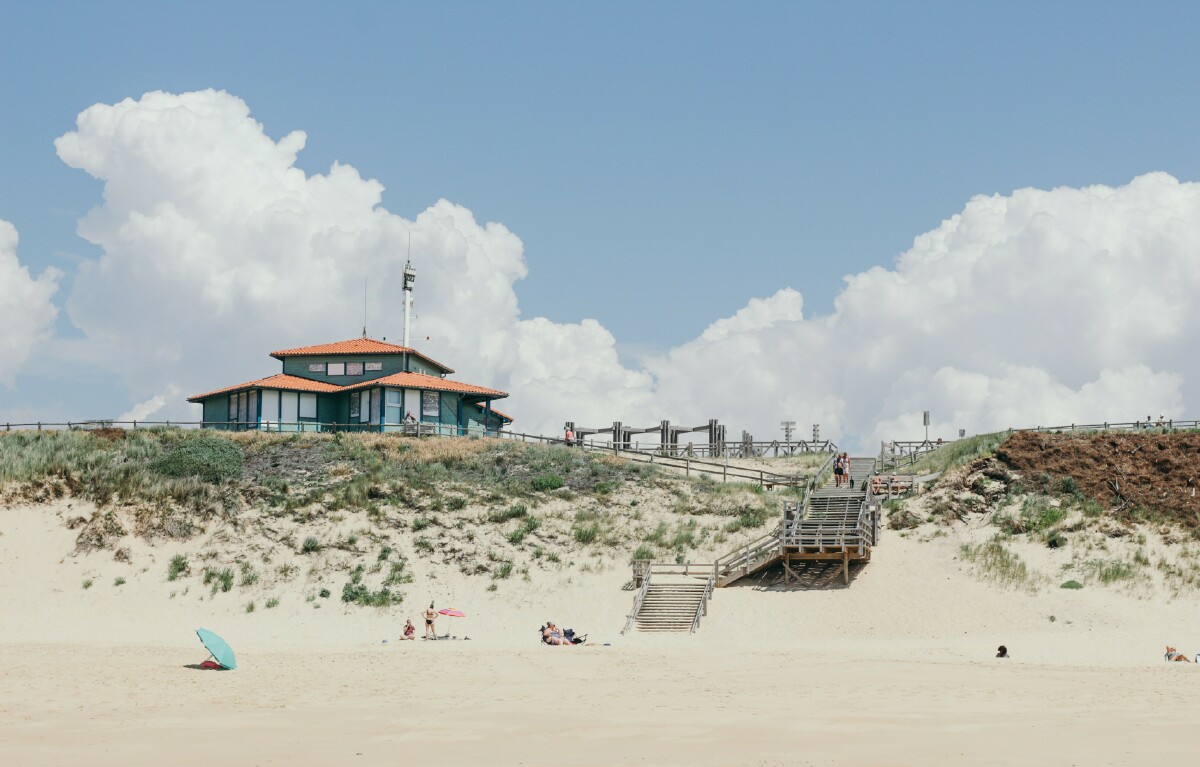
Coastal properties may need separate windstorm and flood review in addition to a residential policy.
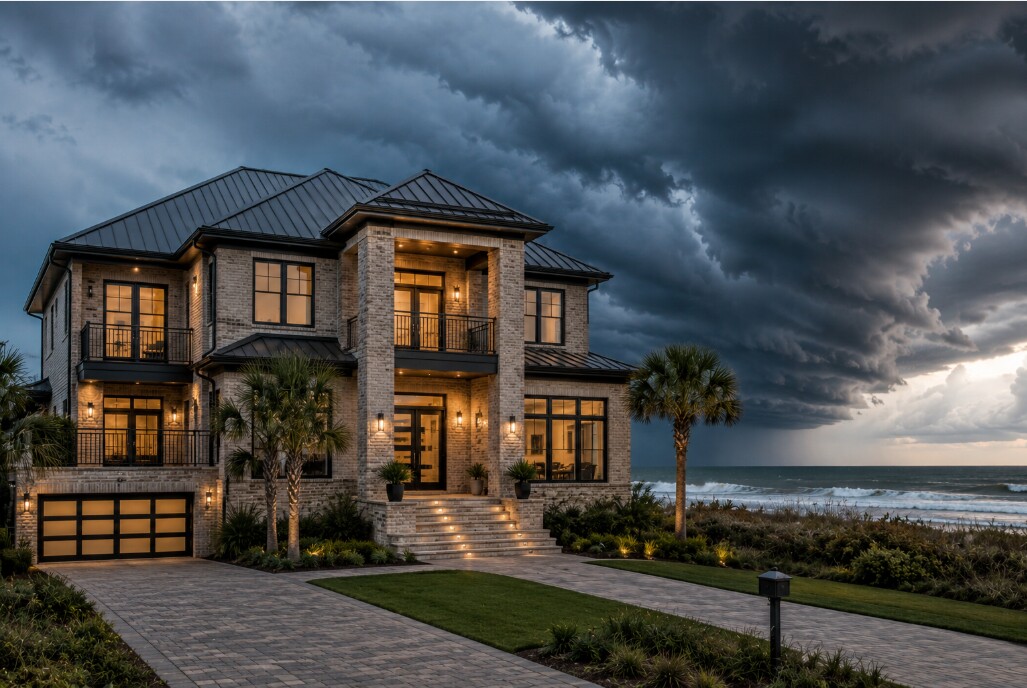
Plumbing loss, seepage, sewer backup, and flood are distinct exposures with different treatment.
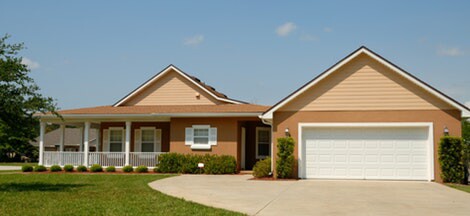
Fast-growing communities can have higher rebuilding costs, newer construction features, and changing storm exposure.
Understanding which exposures belong under an owner-occupied form and which require separate protection helps avoid false assumptions.
| Property or Exposure | Typical Route | Important Review Point |
|---|---|---|
| Owner-occupied house | Residential owner-occupied policy | Dwelling limit, roof terms, deductibles, liability, and endorsements |
| Flood or rising surface water | Separate flood policy | Flood zone, elevation, waiting periods, building, and contents limits |
| Coastal wind exposure | Residential policy plus separate windstorm when required | TWIA eligibility, WPI documentation, wind deductible, and exclusions |
| Tenant-occupied property | Landlord or dwelling form | Occupancy, rental income, premises liability, and tenant requirements |
| Condominium | Condo or HO-6 form | HOA master policy, interior responsibility, loss assessment, and belongings |
| Vacant or heavily renovated house | Vacant or renovation-related specialty coverage | Vacancy definition, theft, vandalism, water limitations, and work in progress |
Rowlett is closely connected with Garland, Rockwall, Sachse, Wylie, Heath, Fate, Mesquite, and other communities around Lake Ray Hubbard and eastern Dallas County. These names are included for geographic context only; each property still requires an address-specific review.
Older homes may require closer review of roof age, plumbing, electrical systems, prior additions, foundation history, and replacement-cost estimates.
Newer subdivisions may need updated dwelling limits, expanded other-structures protection, and consideration of modern finishes, solar panels, pools, or outdoor living features.
Lake proximity, local drainage, wind exposure, low areas, and changing development patterns can create different underwriting concerns from one address to another.
It is easier to review dwelling limits, personal property, liability, deductibles, roof settlement, water limitations, and endorsements before a claim occurs. Major improvements, additions, custom finishes, new detached structures, and increased rebuilding costs can justify an updated review.
Keep records of renovations, roof replacement, major systems, valuable property, and important receipts. Documentation can make both underwriting and claim review more accurate.
Provider appetite can change based on location, roof age, construction, prior losses, occupancy, and market conditions. Rowlett homeowners insurance availability can therefore differ from one property to another. An independent agency can help identify which route fits the property and when a specialty form or separate policy should be considered.
Insurance Plus is a licensed Texas agency—not a lead seller. We help property owners request coverage and review practical questions about the house, lender, payment, and policy type. You can also return to the Insurance Plus homepage to review additional personal and business products.
Common questions from Rowlett property owners comparing protection.
A residential policy may include protection for the dwelling, detached structures, belongings, personal liability, medical payments, and additional living expenses after a covered loss, subject to limits, deductibles, conditions, and exclusions.
Location, roof age, construction, claims history, occupancy, plumbing and electrical updates, square footage, deductible choices, protection class, and requested limits can all affect eligibility and price.
No. Market value reflects what a property may sell for, while replacement cost estimates the expense of rebuilding the insured structure with comparable materials and labor after a covered loss.
Roof age, material, condition, prior repairs, and storm history may affect eligibility, premium, deductible options, and whether covered roof damage is settled at replacement cost or a depreciated amount.
Standard residential policies generally do not cover flood or rising surface water. Separate flood protection may be worth reviewing based on elevation, drainage, lender requirements, and the property's location.
Some coastal properties may need separate windstorm protection through TWIA or another market. Eligibility, WPI documentation, exclusions, and deductibles should be reviewed for the specific address.
Not always. A lower deductible may increase premium, while a higher deductible can create a larger out-of-pocket expense after a covered loss. Percentage wind and hail deductibles deserve special attention.
No. Flood risk depends on the specific address, elevation, mapped flood zone, nearby drainage, creeks, grading, and other site conditions—not simply the distance from the lake.
Yes. Existing movement, unrepaired damage, prior structural work, drainage concerns, and related claims may affect underwriting. Residential policies also contain important limitations on foundation and earth movement losses.
Not always. Sewer or drain backup protection may require an endorsement. Flood, seepage, repeated leakage, and sudden plumbing damage are different exposures and should be reviewed separately.
No. A house occupied by the owner and a property rented to tenants generally require different policy forms. Rental properties should be reviewed for landlord or dwelling coverage.
Yes. Condominiums and manufactured homes can be covered, but they typically use specialized forms based on the structure, occupancy, location, age, and association responsibilities.
Possibly, but a vacant or extensively renovated property may need specialty coverage. Vacancy definitions, theft, vandalism, water, renovation work, and inspection requirements should be reviewed carefully.
Share the details online or call Insurance Plus for help reviewing limits, deductibles, roof concerns, lender needs, and specialty options.
For a focused local overview, review our Rowlett home insurance resource or continue securely to the homeowners quote form. When a provider portal is required, Insurance Plus will clearly identify the trusted insurance partner before you proceed.